Topics
Keynote presentations
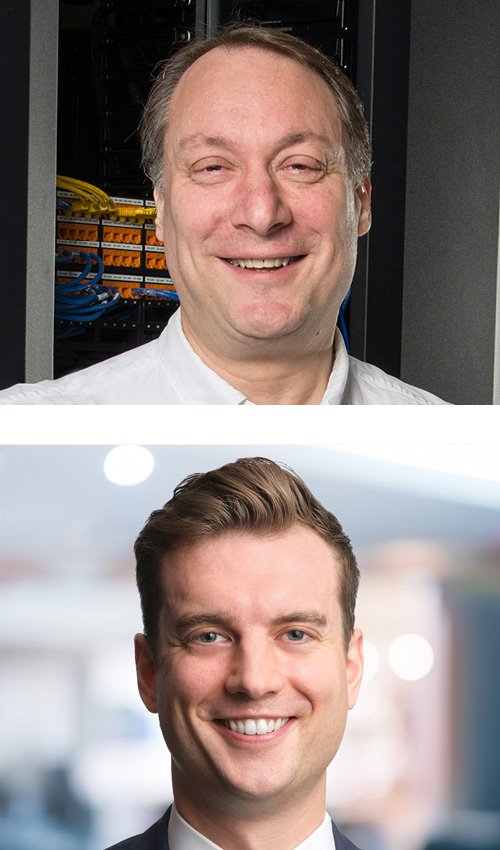
Keynote address:
TMU's Digital Strategy
- Brian Lesser
Chief Information Officer (CIO), Toronto Metropolitan University - Cameron Sielski
Manager, Technology Strategy and Transformation, Deloitte
Time: 9:40 a.m. - 10:30 a.m.
Audience: General audience
Format: Keynote address

Keynote address:
Cybersecurity Risk Management in Higher Education: Are We Making Decisions and Are They the Right Ones?
- Jessica Blackwood
Acting Associate Director of IT, McMaster University Faculty of Science - Art Exner
Associate Vice-President (Information Services) at the University of Regina - Nathan Corwin
Chief Information Security and Digital Trust Officer at the University of Toronto
Time: 9:10 a.m. - 10 a.m.
Audience: General audience
Format: Keynote address
Breakout sessions
Wednesday, May 13
Time: 10:45 a.m. - 11:30 a.m.
Location: DCC 208
Track: Projects, workshops, demonstrations or tutorials
Audience: Technical staff, General audience
The ubiquitous nature of mobile devices has led researchers to explore designing spontaneous and co-located cross-device technologies that connect multiple devices together and create collaboration opportunities in various application domains [1]. These collaborative technologies also mitigate the isolating effects of personal device use. To support spontaneous deployment, these cross-device technologies often prioritize operating entirely on users’ mobile devices, avoiding the need for additional sensors or external hardware.
These cross-device technologies commonly develop three major categories of novel interactions: connection to connect multiple devices, engagement to interact with each other, and disconnection to disconnect devices from the applications [1]. As interaction techniques form the foundation of the functionalities, their design and implementation have become a central focus in cross-device technology design research. A majority of the prior cross-device technologies rely either on touch-based gestures or 2D/3D motion gestures. Other less common modalities include around-device interactions and full-body gestures. These modalities are typically treated separately, leading to a fragmentation of techniques by not combining touch, motion, and other modalities cohesively in a single cross-device technology [2-4].
As ad hoc collaborative cross-device applications continue to evolve in complexity, the need arises for technologies to combine and manage multiple layers of interaction modalities simultaneously. Implementing these combined interaction modalities requires designing custom programming logic, complex spatial calculations, and tightly coupled communication pipelines across devices. Designing a multi-modal cross-device interactions toolkit that integrates a variety of useful connection, engagement, and disconnection methods would support developers to access and combine those interactions for cross-device application design. That would also save them the effort to design the custom cross-device interaction logic and spatial calculations for each application that they intend to develop.
We introduce SimSnap, a web-based cross-device application development toolkit, which expands upon prior applications, toolkits, and frameworks [1-8], for developing cross-device applications. It integrates: touch based connection and disconnection methods, a dynamic device spatial reconfiguration method for modular shared displays, several on-screen cross-device interactions, and 3D motion modalities. SimSnap is designed as a general-purpose toolkit that is capable of supporting a broad spectrum of cross-device multimodal interaction techniques within a singular application. The toolkit incorporates the full range of ad-hoc and collocated interactions without requiring any external sensors beyond what is already embedded in commercially available mobile devices. This allows the implementation of a wide breadth of device interaction for a variety of collaborative applications. The fully browser-based implementation supports device-agnostic configuration and ensures ad-hoc deployment across any mobile devices with a web-browser.
The structure of SimSnap is constructed with a set of modular components that function as the building blocks of the cross-device system architecture. The modular structure abstracts networking details, spatial configuration, and multi-gesture input handling. Developers may selectively combine these modules according to their specific requirements, without the need of reimplementing the foundational system architecture every time, when developing a new cross-device application. By providing modular support, SimSnap simplifies the development process and enables greater flexibility than prior frameworks and toolkits [1-8].
We evaluate SimSnap by testing the toolkit with several developers to develop a set of cross-device applications, spanning collaborative learning, social gameplay, music co-creation, and dynamically reconfigurable shared-display environments. These applications illustrate how SimSnap supports diverse cross-device interaction paradigms within a consistent development model. Our future work will extend SimSnap with new modules, including support for 3D cross-device interactions. We also plan to release SimSnap as an open-source toolkit to support reproducibility, community-driven development, and broader adoption of cross-device interaction research.
References
[1] https://dl.acm.org/doi/10.1145/3290605.3300792
[2] https://dl.acm.org/doi/pdf/10.1145/2406367.2406440
[3] https://dl.acm.org/doi/10.1145/2628363.2628369
[4] https://dl.acm.org/doi/10.1145/3593236
[5] https://doi.org/10.1007/978-3-642-34292-9_23
[6] https://doi.org/10.1145/2702613.2732909
[7] https://doi.org/10.1145/2699343.2699352
[8] https://dl.acm.org/doi/pdf/10.1145/964696.964713
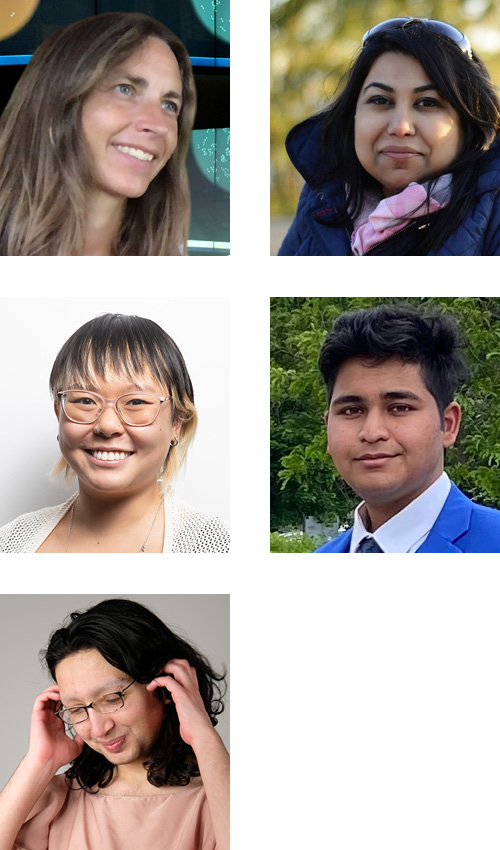
Presenters: Dr. Ali Mazalek and Dr. Afroza Sultana, The Creative School/Synaesthetic Media Lab (TMU); May Yu, recent TMU graduate; Rishabh Seth, undergraduate TMU student; Yves Al-sharifi, multimedia artist
Presenter biographies
Dr. Ali Mazalek has spent over a quarter century trying to get digital technologies to fit better into her physical world and life, rather than letting them drag her into the pixelated depths of her computer screens. At the same time, she has a deep interest in how computational media can support and enhance creativity and discovery, supporting new forms of expression and new ways of thinking and learning. She founded and directs the Synaesthetic Media Lab, a playground where physical materials, analog sensors, and digital media happily coexist and come together in novel ways to support creative practices across disciplines. Mazalek is the Edward S. Rogers Sr. Research Chair in Embodied Digital Media and a Professor in The Creative School at Toronto Metropolitan University. She is an Affiliate Scientist at the Keenan Research Centre for Biomedical Science, St. Michael’s Hospital, and a member of the Institute for Biomedical Engineering, Science and Technology (iBEST). She is a member emeritus of the inaugural cohort of the Royal Society of Canada’s College of New Scholars, Artists and Scientists and a former Canada Research Chair in Digital Media and Innovation. Mazalek received M.S. and Ph.D. degrees from the MIT Media Lab and a Hon. B.Sc. in computer science and mathematics from the University of Toronto.
Dr. Afroza Sultana is a Senior Research Associate at Synaesthetic Media Lab (Synlab), under the Creative School, Toronto Metropolitan University. She is currently leading the SimSnap project. Her area of research falls under Human-Computer Interaction (HCI), particularly, in applying user-centered and participatory design methods to develop interactive and adaptive cross-device touchscreen user interfaces. Her research experiences in HCI include designing interactive cross-device interactions, designing a collaborative Biology curriculum learning platform for middle-school children, designing cross-device games for ad hoc social settings, designing collaborative music-making applications, understanding touch selection difficulties of older adults, designing exergaming devices for older adults who are residing in long-term care homes, and developing age-specific error prediction models from pen input. She also has teaching experience with undergraduate and graduate level HCI and Computer Science courses. For more details, please find Afroza on LinkedIn (external link) .
May Yu (she/her) is a recent graduate from Toronto Metropolitan University, with a Bachelor of Fine Arts in New Media and a minor in Computer Science. Her research interests fall broadly under designing interactive experiences, educational and immersive technologies, with a focus in developing systems that leverage data visualization and networked interactions for artistic expression; currently within the field of video games and live performance. Outside of research, she works with fellow new media artists in designing and hosting exhibitions and galleries along with developing her own artistic practice; using tangible devices, such as microcontrollers, and creative programming to develop interactive experiences.
Rishabh Seth is an undergraduate student at Toronto Metropolitan University studying Computer Science. His research interests lie within Human-Computer Interaction (HCI), broadly covering interactive immersive experiences, interactions for collaborative and social environments, and Augmented Reality (AR) and Mixed Reality (MR). He is particularly interested in the innovating ways of interaction, designing user interfaces, and developing software. Outside of research, he likes to go on adventures (like traveling and being outdoors), trying new things, and playing sports.
Yves Al-sharifi (she/her) is a multimedia artist who creates work that focuses on the space between technology, art, the internet, and identity. With interests in Video Game Development, Poetry, Performance Art, Music and Sound Design, her research surrounds media that encourages social experiences by creating novel collaborative experiences.
Time: 10:45 a.m. - 11:30 a.m.
Location: DCC 204
Track: IT in administration
Audience: Technical staff, General audience
Here at TMU, we regularly experience faculty and staff turnover, with employee onboarding and offboarding activities taking place every day. This session will explore the processes and details of account provisioning (onboarding) and deprovisioning (offboarding) and will highlight the variety of use cases associated with provisioning and deprovisioning of employee accounts.
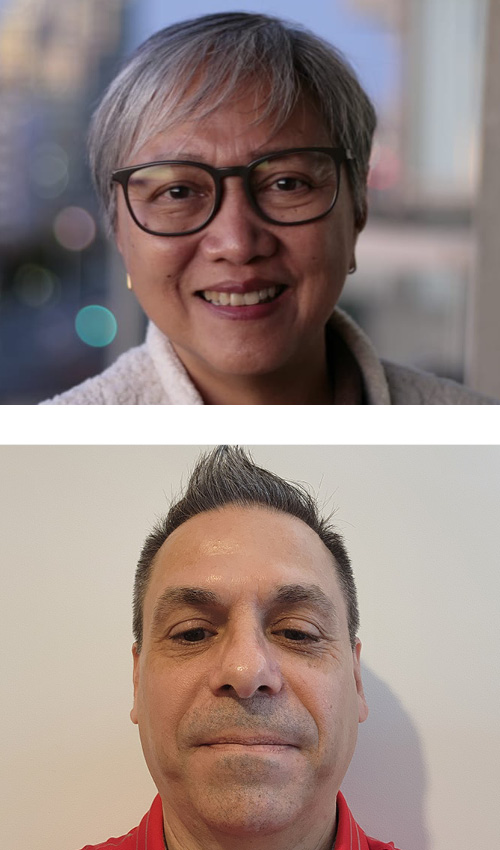
Presenters: Restiani Andriati and Franco Chiocchio, Computing and Communications Services (TMU)
Presenter biographies
Restiani Andriati is passionate about helping others achieve what they need to accomplish and make their lives easier, through the use of technology for learning and teaching and administration, developing seamless processes, and collaborating/partnering with others. Restiani's experience in higher education focuses on user support and instructional technology. Areas of work include IT service management (ITSM), supporting compliance efforts, data analysis for decision making, accessibility/universal design, knowledge base, and more recently some AI/GenAI issues.
Franco Chiocchio is the manager of the CCS IT Help Desk Analyst team, the manager of the Lab Advisors working in KHW 71 and the library and he manages the Call Center team that handles day to day calls directed to TMU on a daily basis. Franco is responsible for managing the day to day operations of all of the above teams and works closely with all CCS teams and other departments to ensure that student, staff and faculty IT issues are addressed in a timely manner.
Time: 10:45 a.m. - 11:30 a.m.
Location: ENG 101
Track: IT in administration, Projects, workshops, demonstrations or tutorials
Audience: Technical staff, General audience
In this session, Naveed will:
- Introduce attendees to the current file upload process and its business challenges
- Explain how the new integrated solution will securely and seamlessly upload files to TMU’s Financial Information System (FIS) using a user-friendly, web-based application framework technology
- Explain the enterprise architecture of Oracle Application Framework (OAF)
- Share business benefits of the new development and the process
- Perform a short, live demonstration
Presenter: Naveed Ali Rao, Computing and Communications Services (TMU)
Presenter biography
Naveed Ali Rao is the Lead Systems Specialist within the Financial Services domain in Computing and Communications Services (CCS). His primary responsibilities include analyzing business requirements, identifying process and technical gaps, and conducting feasibility assessments to propose optimal solutions. He is focussed on refining business processes and developing customized and user-friendly solutions by leveraging modern and industry-standard technology platforms. Moreover, Naveed provides day-to-day technical support to business users, ensuring the seamless operation and stability of financial applications and systems.
In his previous role, Naveed collaborated closely with financial analysts, accountants, cross-functional teams and business stakeholders to gather and analyze business requirements, identify process gaps, and conduct feasibility assessment to deliver cost-effective business solutions. From a functional and technical perspective, he was responsible for system configuration, customization, integration and development.
Time: 11:45 a.m. - 12:30 p.m.
Location: DCC 208
Track: Projects, workshops, demonstrations or tutorials
Audience: General audience
Systems thinking is a versatile, non-linear process which seeks to develop practical solutions suited for the user's distinct situation and needs. Teams often use old, ineffective models and spend the majority of their time patching systems to keep them running. Though systems thinking requires time and continued active participation, it encourages users to determine root causes of existing problems (both visible and invisible) through unearthing patterns, structures, and mindsets in an effort to find long-term solutions. In this interactive workshop, we will explore how to use systems thinking -- a process many individuals may have already initiated through their mindful recognition of the gaps in their organization's workflow. Our "Navigating Through Complexity Using Systems Thinking" workshop will focus on (1) defining systems thinking, (2) investigating the learning cycle [observe, explain, design, and act], and (3) communicating your specific action steps.
Presenter: Dianne Nubla, School of Professional Communication and G. Raymond Chang School of Continuing Education (TMU)
Presenter biography
Dianne Nubla has taught business communication courses for Toronto Metropolitan University’s School of Professional Communication and the G. Raymond Chang School of Continuing Education for over a decade. As a lecturer, Dianne has taught 260+ university course credit sections. She has also published Open Educational Resources (OERs) in an effort to contribute to the collection of free academic resources for learners. Further, Dianne works with organizations to develop tailored workshops and procedural guides to streamline their workflow. Whether it be in a post-secondary classroom or in the industry, she emphasizes the importance of professionalism, self-awareness, and customizing your messages to humanize our everyday communication experiences as each person receiving these messages carries with them their own unique set of experiences and perspectives.

Time: 11:45 a.m. - 12:30 p.m.
Location: DCC 204
Track: IT in administration, IT in teaching and learning, Projects, workshops, demonstrations or tutorials
Audience: Technical staff, General audience
In this session, the Courseware Development Team from Learning Services will share how they have leveraged AI to rapidly prototype and build solutions that address real challenges in courseware development. Using concrete examples from the past year, the team will demonstrate how AI tools and approaches have enabled faster iteration, reduced development time, and helped reach working solutions for a variety of projects and tasks. Attendees will gain practical insights into how AI can be applied to accelerate innovation while maintaining quality, and how these practices can translate into meaningful improvements in day-to-day workflows.
Key takeaways from this session:
- Discover real-world examples of how AI has supported rapid prototyping and problem-solving within Learning Services.
- Understand the tangible time savings and efficiency gains achieved by integrating AI into development workflows.
- Learn how AI enables quicker iteration and helps teams move from idea to working solution more effectively.
- Learn practical strategies for applying AI tools to improve both speed and quality in content and QA processes.
- Leave with inspiration for how AI can be responsibly adopted to support innovation in your own work.
Presenter: Ian Ackerman, D2L
Presenter biography
Ian Ackerman has been a Courseware Developer with D2L since 2023. Since joining the Learning Services team in 2023, he has been an integral part of the team's AI strategy and adoption. He has been a part of various pilot projects and working groups which helped to define the overall D2L AI strategy and adoption.

Time: 11:45 a.m. - 12:30 p.m.
Location: ENG 101
Track: IT in administration
Audience: Technical staff, General audience
Computing and Communications Services’ Managed Laptop Program offers additional security and reliability for TMU-owned computers. Offering a more secure computing environment, this session will provide an overview of the program and its benefits, as well as share information about annual costs and the program’s inventory of loaner and replacement devices.
Presenter: Kevin Davies, Computing and Communications Services (TMU)
Presenter biography
Kevin Davies is an IT support veteran with almost 35 years of experience in IT Infrastructure and end-user computing (EUC), with more than 20 years in management roles. He holds experience in multiple industries, including manufacturing, financial services (banking and insurance), publishing, e-business and regulatory industries, and 11 years in managing EUC in CCS. Kevin graduated from Ryerson Polytechnical Institute in the first cohort of the Bachelor of Technology, Applied Computer Science degree program. He is a certified dive master and when not working, tries to spend as much time as possible in the sunny south enjoying the underwater wonders.

Time: 1:30 p.m. - 2:15 p.m.
Location: DCC 208
Track: IT in teaching and learning
Audience: General audience
The integration of generative artificial intelligence (GenAI) in higher education has opened new possibilities for supporting student learning, particularly in the domain of assessment feedback. Yet little is known about how students perceive and compare feedback provided by GenAI tools versus human instructors, especially over an extended period of engagement. This study investigates undergraduate students' perceptions of assessment feedback from both human and GenAI sources across a full academic semester. Drawing on a mixed-methods design that combines survey data with in-depth interviews, the study captures students' evolving attitudes, trust levels, and prior AI experience as factors shaping how they receive and act on feedback from each source. These insights contribute to a deeper understanding of how students navigate an increasingly AI-mediated learning environment and have implications for educators and institutions seeking to integrate GenAI tools into assessment practices responsibly and effectively.
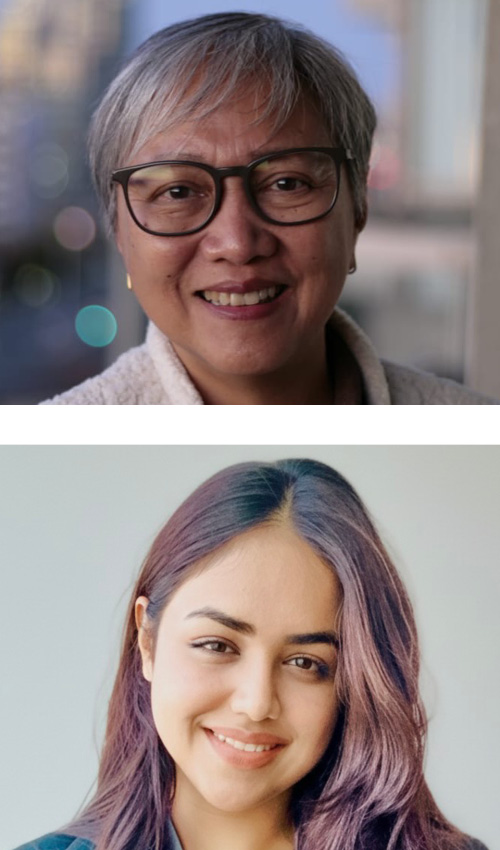
Presenters: Lin Dong, Nancy Yang, Armita Sadeghian Barzoki, Ted Rogers School of Information Technology Management (TMU)
Presenter biographies
An innovative educator and a passionate researcher, Dr. Lin Dong’s work at TMU focuses on experiential education and applied research. She’s the recipient of numerous teaching excellence awards including TMU’s most prestigious life-time teaching achievement award–the Provost’s Award for Experiential Teaching (2018)–as well as the Dean’s Teaching Award (2020), the Best Poster Award by Ryerson LTO (2016) and is a three-time recipient of the TRSM Innovation Teaching Fund (2017-2018).
Dr. Dong has established her reputation in IT leadership and IT governance. She has published in top tier IS journals including Information Technology (JIT), the European Journal of Information Systems (EJIS), the Information Systems Journal (ISJ), Communications of the AIS, and the International Journal of Information Management (IJIM).
Armita Sadeghian Barzoki holds a Master’s of Science in Management, Information Technology Management from the Ted Rogers School of Management, and has contributed to both academic and industry projects, including infrastructure and capital projects and research on AI applications in education, mental healthcare, arts, and immigration. She currently works in a project management role at Accenture and has also contributed to telecommunications projects at companies including Ericsson. Her research focuses on human–AI interaction, with particular emphasis on user trust, experience, and engagement with generative AI systems.
Dr. Xingwei (Nancy) Yang is an Assistant Professor in the Information Technology Management Department at the Ted Rogers School of Management at Toronto Metropolitan University. She is also a Constituency Council member of the Centre for Addiction and Mental Health (CAMH) and a core member of the Operations and Supply Chain Analytics Research (OSCAR) Centre at TMU. Dr. Yang received her Ph.D. in Management Analytics from Queen's University and holds a B.Sc. in Mathematics from the University of British Columbia (UBC).
Dr. Yang's research focuses on leveraging advanced analytics and machine learning techniques to solve complex challenges across various domains. Her work has been published in prestigious journals such as Decision Support Systems, the International Journal of Information Management, the Journal of Service Research, and Expert Systems with Applications. In addition to her academic achievements, Dr. Yang brings extensive practical experience, having collaborated with organizations such as Scotiabank, the Scotiabank Centre for Customer Analytics, Loblaws, TD Canada Trust, and PwC. She has secured over $280,000 in external research funding as a recipient of an Natural Sciences and Engineering Research Council of Canada (NSERC) Discovery Grant, Social Sciences and Humanities Research Council (SSHRC) Insight Development Grant, and MITACS .
Time: 1:30 p.m. - 2:15 p.m.
Location: DCC 204
Track: IT in administration, Projects, workshops, demonstrations or tutorials
Audience: Technical staff
Deprovisioning is the systematic revocation of access privileges. This case study focuses on the implementation of automated user deprovisioning for software applications, demonstrating how admin access to TMU's Resource and Identity Management System transitioned from risky manual processes to secure, automated workflows.
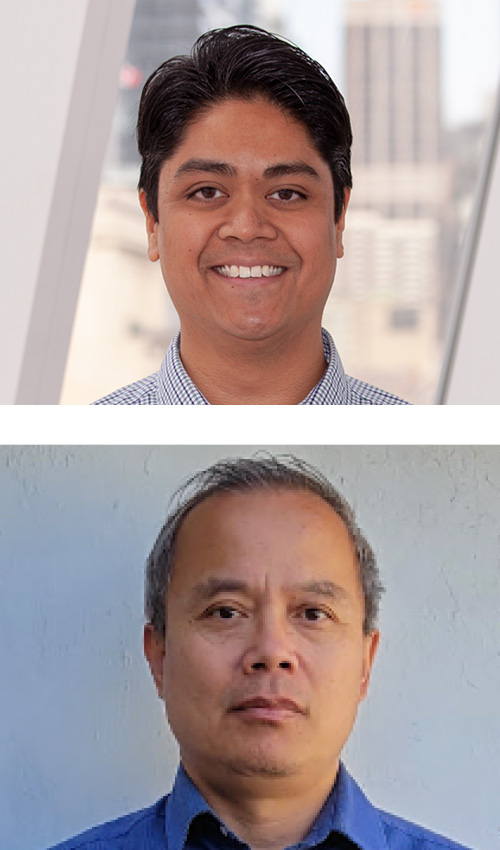
Presenters: Jonathan Sammy and Hongyan Song, Computing and Communications Services (TMU)
Presenter biographies
Jonathan Sammy is a supervisor in the Computing and Communications Services department and leads the software development team behind RMS, TorontoMet's ever-evolving Resource and Identity Management System.
Hongyan (Bill) Song has a Bachelor's in Software Engineering, Master's in Computer Science and is currently the Lead Distributed Systems Specialist at CCS working on Enterprise Application Integration, API Management, and Application Development.

Time: 1:30 p.m. - 2:15 p.m.
Location: DCC 350
Track: IT in administration, Projects, workshops, demonstrations or tutorials
Audience: General audience
In medical education, administrative "flatlining" often occurs when critical data is trapped in static, siloed spreadsheets. This session demonstrates how the School of Medicine successfully resuscitated its data management processes by moving from manual entry to an interconnected ecosystem using Google Sheets and Looker Studio.
We will pull back the curtain on how building live data connections—rather than static reports—transformed our workflow. By automating the "circulatory system" of our project data, we eliminated redundant manual updates and significantly reduced human error. Attendees will learn how these real-time dashboards provided the diagnostic clarity needed to shift administrative staff away from tedious data maintenance and back toward high-value tasks that directly support student and faculty success.
Presenter: Justin van Lieshout, The School of Medicine (TMU)
Presenter biography
Currently serving within the Clinical Learning Unit at Toronto Metropolitan University’s School of Medicine, Justin van Lieshout brings a unique blend of cinematic storytelling, global perspectives, and "German-engineered" efficiency to the complex world of medical education.
Before transitioning into higher education, he spent years in creative industries, from performing on broadway to winding up behind the lens as a Field Producer; crafting lifestyle content for major networks like HGTV and feature documentary projects. His career in media was defined by the ability to find the narrative thread in chaotic environments, a skill he took to the global stage just prior to the pandemic. During that time, Justin traveled the world producing a documentary on education reform, an experience that shifted his focus from documenting systems to actively improving them.
After returning to Toronto, Justin joined TMU within the Faculty of Arts (Department of English), where he was awarded the staff service award for his strong work ethic and dedication to improving the program’s administrative processes. His knack for transforming administrative hurdles into streamlined successes quickly became his calling card. This led him to the School of Medicine, where he initially served as a Program Administrator before transitioning into his current analyst role within the Clinical Learning Unit.
In his current capacity, Justin is the "Chief Resuscitation Officer" for siloed data. He views mundane administrative tasks not as chores, but as opportunities for meaningful transformation. By leveraging interconnected tools like Google Sheets, Looker Studio, and AI, Justin has begun to specialize in breaking down complex data into intuitive, real-time dashboards that empower his colleagues and free up the administrative "brainpower" needed for high-value learner and faculty support.
When he isn’t optimizing at TMU, Justin’s life remains remarkably high-altitude. He is a trained pilot, has performed on Broadway stages, and is a devoted "dog dad" to his only child, Aspen.
Whether he is navigating a forest trail, a script, or a medical school database, Justin’s goal remains the same: to move projects from a "flatline" to a "baseline" of excellence through creativity, technology, and a relentless pursuit of turning mundane tasks into meaningful opportunities to engage.

Time: 2:30 p.m. - 3:15 p.m.
Location: DCC 208
Track: IT in teaching and learning
Audience: Technical staff, General audience
Tripping the Light Fantastic: IT Solutions to Build High Engagement Learning using Gameworld, AI and Mixed Reality
Over the past decade, Dr. David Chandross has worked closely with Baycrest Health Sciences, the WHO and the UN to build deeper learning design for training emergency personnel. In this presentation he’ll share the technology used over the past few years for mass training around the world. He is also currently at Pallium Canada, designing innovations in palliative care education.
In this talk, he’ll share the many tools used to build cinematic and other high engagement learning. Examples include his work with the WHO in mass casualty training using LIDAR, mixed reality, game design and experiential training for deployment in conflict zones. Other examples include his current use of generative AI, including Lovable and simple code solutions through Claude AI, as well as deep simulations generated from intensive AI prompts (one of his prompts for problem based learning is 300 pages long!).
Presenter: Dr. David Chandross, Computational Public Safety Lab (TMU)
Presenter biography
Dr. David Chandross (external link) holds a Ph.D. in Higher Education and has been affiliated with computer science development and game design since 1994, when he first changed his science courses for Nursing and Midwifery into full term games. This was the basis of a new field of study, now called game based learning, with TMU being one of the first universities to explore this teaching method. From there, he was recruited by Simon Fraser University to build the first Canadian research program in this field under grant holders David Kauffman and Louise Sauvé.
He next returned to TMU to teach digital media and engage in research on teaching and learning for older adults and for those engaged in dementia care, including Baycrest Health Sciences. Shortly after this, he was hired by the UN World Food Program to build the first game based learning system in their history. The following year he was also recruited to work to build the first game based learning unit for the World Health Organization Learning Academy with Dr. Nelson Olim, a top trauma surgeon working in mass casualty management.
During this time, he continued to advise with Dr. Alex Ferworn on emergency simulation with Emergency Ontario. David also holds a post as Adjunct Professor of Computer Science and Game Design at Ontario Tech University and teaches students in the area of VR simulation of psychedelic experiences for the management of end-of-life anxiety and is also an educator and design lead at Pallium Canada. His current work is focused on the integration of AI and health professional learning to produce cinematic quality gameworlds for experiential learning.
Time: 2:30 p.m. - 3:15 p.m.
Location: DCC 204
Track: IT in administration, IT in teaching and learning
Audience: General audience
Have you shared your Google files with non-TMU users? Have you checked your file access recently? Have you used the "Anyone with the link" sharing settings? In this workshop, we will discuss safe practices when using Google Workspace, which includes, how Google Drive access works, the general sharing Drive governance, how to safely share files internally within TMU and externally, how to find and fix oversharing.
Presenters: Restiani Andriati and Jassika Ledwani, Computing and Communications Services (TMU)
Presenter biographies
Restiani Andriati is passionate about helping others achieve what they need to accomplish and make their lives easier, through the use of technology for learning and teaching and administration, developing seamless processes, and collaborating/partnering with others. Restiani's experience in higher education focuses on user support and instructional technology. Areas of work include IT service management (ITSM), supporting compliance efforts, data analysis for decision making, accessibility/universal design, knowledge base, and more recently some AI/GenAI issues.
Jassika Ledwani is a Google Workspace Support Specialist at Toronto Metropolitan University’s Computing and Communications Services (CCS), where she provides Google consulting, Apps Script automation, and support for Google Workspace and across the university.
Thursday, May 14

Time: 10:15 a.m. - 11:05 a.m.
Track: Cybersecurity
Audience: Technical staff
Unit 42 by Palo Alto Networks will provide a summary of the current cybersecurity threat landscape with a focus on AI's role in cybersecurity including from an offensive, defensive and attack surface perspective. The presentation will include threat intelligence and real-world examples of AI security threats.
Presenter: Jesse Sampson, Consulting Director, Unit 42
Presenter biography
Jesse Sampson is a Consulting Director with Unit 42 where he serves as technical lead for the AI Security Assessment service. Before that, he led AI Governance-focused teams embedded within a major AI frontier lab. Before transitioning to AI Security, Jesse focused on data analytics, with experience in higher education, cybersecurity, healthcare and government.

Time: 10:15 a.m. - 11:05 a.m.
Track: Projects, workshops, demonstrations or tutorials
Audience: Technical staff, General audience
This talk introduces a new accessibility check in Sa11y (an in-page content accessibility checker) that uses Chrome’s built-in, on-device language detection API to identify mixed-language content that may cause issues for assistive technology users. At present, accessibility tools largely do not attempt to detect language changes in content at all, despite clear requirements in WCAG related to language identification and language changes within a page.
Sa11y applies browser-native language detection to address this gap. Instead of relying on heuristic pattern matching or external services, language classification is performed locally in the browser using Chrome’s AI-powered APIs. The checks are seamlessly integrated into Sa11y, and content is never transmitted off device, and no user data is retained. This makes the approach privacy-preserving by design and avoids the infrastructure and environmental costs associated with server-side models.
The session walks through the technical design, constraints, and trade-offs of introducing on-device AI into an accessibility tool, including performance characteristics, confidence thresholds, and false-positive control. It also examines what this implementation signals about the next phase of accessibility testing, as browser vendors begin exposing native AI capabilities that can be used to address long-standing gaps in automated accessibility coverage.
Presenter: Adam Chaboryk, Digital Media Projects and Computing and Communications Services (TMU),
Presenter biography
Adam Chaboryk is TMU's IT Accessibility Specialist, where he enables the community with the resources and guidance to create a more inclusive digital environment for all learners, faculty, staff and the general public. Adam also founded and leads the development of Sa11y, an open source accessibility checker designed for content authors.

Time: 10:15 a.m. - 11:05 a.m.
Track: Projects, workshops, demonstrations or tutorials
Audience: Technical staff
This session presents the design and implementation of an in-house Early Alert System developed through cross-functional collaboration between the Ted Rogers School of Management, the Faculty of Arts, Athletics, and Computing and Communications Services. The system integrates data from the MyServiceHub and the D2L Brightspace learning management system (LMS) into a centralized analytics framework that enables departments to proactively support at-risk students.
The presentation will outline the project objectives, non-technical hurdles and challenges, and provide a behind-the-scenes look at the technical design, including data ingestion pipelines, a configurable risk-scoring methodology and automated communication triggers. By combining academic performance indicators with LMS engagement metrics, the platform generates dynamic risk profiles that initiate timely outreach, encouraging students to connect with appropriate supports.
Attendees will gain insight into enterprise systems integration, applied analytics in higher education, and scalable system design that operationalizes proactive, data-informed student success strategies aligned with institutional retention and enrollment objectives.
Presenters: Bilal Khan, Computing and Communications Services (TMU); Valerie Deacon, Faculty of Arts (TMU)
Presenter biographies
A software developer here at TMU, Bilal Khan is amused by all things algorithmic.
Valerie Deacon is currently the Manager, Research Grants and Graduate Programs in the Faculty of Arts, but for the duration of this Early Alert project, she was the Manager of Academic Support and Curriculum Innovation. Prior to her return to Canada in 2019, she was a faculty member at NYU and NYU Shanghai. She holds an MA from the University of Victoria and a PhD from York University.

Time: 11:15 a.m. - 12:05 p.m.
Track: Cybersecurity
Audience: Technical staff
As campuses become more distributed and cloud-driven, the traditional network perimeter continues to disappear. Security teams are being challenged to protect users, applications, and data across increasingly complex environments while maintaining a seamless experience.
This session takes a practical, industry-aligned look at how Zero Trust (ZTNA) and Secure Access Service Edge (SASE) are reshaping secure access. Grounded in current trends and leading analyst perspectives, we will explore how identity and application-centric access, Software-Defined Wide Area Network (SD-WAN), and firewall as a service are coming together to form a more unified and resilient security model.
Designed for IT and security leaders, this presentation will focus on education over product, offering clear insights into how to simplify security architecture, improve visibility with AI-driven capabilities, and enable consistent policy enforcement across campus and cloud.
Attendees will leave with a stronger understanding of how to approach modern access challenges with a strategy that is both scalable and sustainable.
Presenter: Brandon Murray, HPE Networking National SE
Presenter biography
Serving as a technology strategist for major accounts across Canada, Brandon Murray brings 12 years of industry experience across datacenter operations, wireless security and high availability storage solutions.

Time: 11:15 a.m. - 12:05 p.m.
Track: IT in administration
Audience: Technical staff
Why Uninterruptible Power Supplies (UPS) are essential for protecting your Enterprise Network?
Uninterruptible Power Supplies prevent data loss, hardware damage and operational downtime by providing instant backup power and conditioning against surges, sags and noise, keeping critical systems running seamlessly when main power fails. Key points to cover include types (offline, line-interactive, online), components (rectifier, battery, inverter, static switch) and benefits, like maintaining uptime and protecting sensitive electronics, ensuring smooth transitions during outages.
Presenter: David Lester, Computing and Communications Services (TMU)
Presenter biography
David Lester is Toronto Metropolitan University’s manager of Communication Infrastructure Services in CCS. He works with systems integrators, structured cabling professionals, consultants and end users to achieve successful implementation of the university’s Information Technology Systems program.
Dave graduated from TMU (then the Ryerson Polytechnical Institute) as an Electrical Engineering Technologist. He has been a member of Building Industry Consulting Service International (BICSI) since 1990 and holds the following designations: RCDD, NTS, ESS, RTPM, DCDC, OSP and Technician. He is past Panel Chair of the BICSI Engineering and Methods Committee. A former staff BICSI master instructor and subject matter expert, Dave also spent 29 years with Bell Canada. As senior designer for the communications system team, he successfully implemented the world’s first all-electronic toll collection system for Highway 407 Express Toll Route north of Toronto.

Time: 11:15 a.m. - 12:05 p.m.
Track: IT in administration, Projects, workshops, demonstrations or tutorials
Audience: Technical staff, General audience
In this session, Nadir will present on the following topics related to the development of the new e-business suite. This session will:
- Provide an introduction to the “Import Cash Receipt” Application
- Discuss the business challenges with the current Common Business-Oriented Language (COBOL) legacy system
- Present details on the new application that will seamlessly integrate the Student Fees System E-Business Suite, all Financial Services modules, Receivables, Payables, General Ledger and PeopleSoft application.
- Discuss the business benefits of the developed application and its process
- Discuss future phase 2 enhancements for better graphical user interface (GUI) for analytics
- Include a short, live demonutrition of the new application
Presenter: Nadir Shah Khan, Computing and Communications Services (TMU)
Presenter biography
Nadir Shah Khan works in the Computing and Communication Services’ (CCS) Financial Services team, focused on Oracle E-Business Suite finance modules, including development, support activities and DBA server management.
Nadir previously worked with Sharjah Water, Electricity and Gas utilities, a public sector organization in the United Arab Emirates. While there, he worked on the Oracle E-Business Suite and Techno Functional Development across all the utilities sector on different modules covering CRM, supply chain management and finance.
Time: 1:00 p.m. - 1:50 p.m.
Track: Cybersecurity
Audience: Technical staff, General audience
The K-12 sector faces persistent cyber risks where both opportunistic and targeted attacks can have significant operational, privacy, and safety impacts. With AI, school boards are entering a new era of cyber threats – more persistent, sophisticated, and fast moving – requiring security operations at machine speed. This presentation will:
- Showcase Ontario’s K-12 Cyber Security Operating Model (CSOM) and how it is advancing a collaborative approach and collective defence for the sector, while strengthening local capabilities and accountability.
- Highlight how the collective is strengthening readiness and response capabilities across organizations with varying maturity, including governance alignment, shared practices, and evolving approaches.
- Cover how shared services, automation and AI are being used to enhance detection and response across individual school board environments and the sector overall.
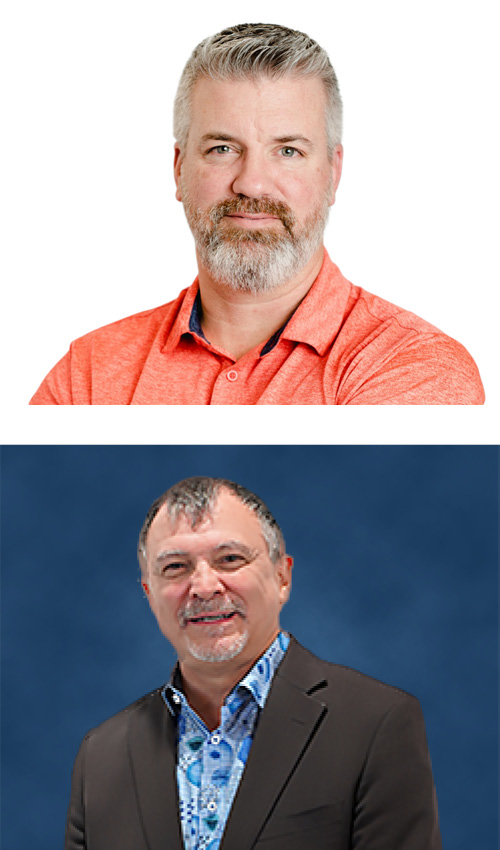
Presenters: Philippe Madore, Cyber Security Division, Ministry of Public and Business Service Delivery and Procurement; Mark Marshall, Peel District School Board
Presenter biographies
Philippe Madore is a senior IT leader in the Ontario government with over 20 years of experience in information technology and cyber security. He currently leads initiatives focused on strengthening digital and cyber resilience across Ontario’s K-12 publicly funded education sector, working closely with school boards, sector partners, and government stakeholders. His work has centred on developing collaborative operating models, advancing shared cyber security, and improving sector-wide preparedness against evolving cyber threats. Philippe brings strategic and practical perspectives to modernizing security in complex, decentralized environments.
Mark Marshall has been with the Peel District School Board for 37 years and currently serves as Chief Information Officer, providing strategic leadership for enterprise technology, cybersecurity, and digital modernization across one of Canada’s largest school boards. Mark has held numerous roles spanning both Information Technology and Curriculum, giving him a unique perspective on how technology can effectively support teaching, learning, and system‑wide operations. His educational background in Computer Science and Electronic Engineering underpins a deep technical foundation, complemented by extensive executive‑level management experience in a complex, multi‑union K‑12 environment. In his current role, Mark works closely with sector partners, including the Province’s K-12 Cyber Security Operating Model Team, to advance collective cyber readiness across public education and to promote secure, sustainable, and innovative use of technology at scale.
Time: 1:00 p.m. - 1:50 p.m.
Track: IT in administration, Projects, workshops, demonstrations or tutorials
Audience: General audience
Have you shared your Google files with non-TMU users? Have you checked your file access recently? Have you used the "Anyone with the link" sharing settings? In this workshop, we will discuss safe practices when using Google Workspace, which includes information about how Google Drive access works, the general sharing Drive governance, how to safely share files internally within TMU and externally and how to find and fix oversharing.
Presenters: Restiani Andriati and Jassika Ledwani, Computing and Communications Services (TMU)
Presenter biographies
Restiani Andriati is passionate about helping others achieve what they need to accomplish and make their lives easier, through the use of technology for learning and teaching and administration, developing seamless processes, and collaborating/partnering with others. Restiani's experience in higher education focuses on user support and instructional technology. Areas of work include IT service management (ITSM), supporting compliance efforts, data analysis for decision making, accessibility/universal design, knowledge base, and more recently some AI/GenAI issues.
Jassika Ledwani is a Google Workspace Support Specialist at Toronto Metropolitan University’s Computing and Communications Services (CCS) department, providing Google consulting, Apps Script automation and support for Google Workspace across the university.

Time: 2:00 p.m. - 2:50 p.m.
Track: Cybersecurity
Audience: Technical staff, General audience
Cyber threats don’t shrink when budgets do. For many chief information security officers (CISOs), especially in the post-secondary sector, the challenge is clear: how do you build and maintain a strong security posture with limited funding and resources?
Here, Priya will break down how to lead security efforts with agility, creativity, and impact—even when budgets are tight.
This session will explore:
- How to prioritize what really matters in security
- Building strong partnerships across departments
- Communicating risk without fear
- Driving innovation without big spending
This isn’t about cutting costs. It’s about redefining what efficient, effective, and resilient cybersecurity leadership looks like today.
Presenter: Priya Mouli, University of Alberta
Presenter biography
Priya Mouli is a seasoned cybersecurity and risk management executive with over 20 years of experience across security, privacy, compliance, and digital resilience. She currently serves as Chief Information Security Officer at Sheridan College in Ontario. Previously, she held senior leadership roles at Big Four consulting firms, advising Fortune 50 organizations across New York, San Francisco, and Toronto. Her experience spanning six countries brings a global perspective to designing and executing enterprise-grade, resilient cybersecurity strategies that enable innovation at scale. For more details, please find Priya on LinkedIn (external link) .
Time: 2:00 p.m. - 2:50 p.m.
Track: IT in administration, Cybersecurity
Audience: Technical staff, General audience
A overview of TMU's network and security architecture. A high level look of what it takes to keep TMU connected and secured.
Presenters: Jacob Trautmann and Dmity Flichakov, Computing and Communications Services (TMU)
Presenter biographies
Jacob Trautmann is a Senior IT Security Specialist at TMU with 20 years of experience in the industry. He’s spent the last 10 of those years focused on keeping the university’s systems secure and running smoothly
With 15 years of experience in Network Engineering and Architecture, Dmity Flichakov has worked across Internet Service Providers, Retail, and Financial industries, building and maintaining reliable network infrastructures. Since joining TMU in May 2024, he’s been focused on enhancing network resilience, performance, and monitoring strategies. Passionate about technology and problem-solving, he leads efforts to ensure TMU’s wired and wireless networks remain secure, efficient, and always connected. Beyond work, he enjoys downhill biking and spending time at Ontario’s lakes. He also has a cat named Arbuz, which fittingly means "Watermelon" in Russian.

Time: 2:00 p.m. - 2:50 p.m.
Track: Projects, workshops, demonstrations or tutorials
Audience: General audience
This session will provide an overview of GenAI tools currently available at TMU which are supported by Computing and Communications Services (CCS), including Gemini App and Zoom AI Companion. The session will begin with reminders on how to use GenAI tools responsibly in the context of work, followed by an introduction to the tools and how to get started using the tools and their features.
Presenters: Restiani Andriati, Jassika Ledwani, Stephanie Goetz, Computing and Communications Services / Digital Media Projects (TMU)
Presenter biographies
Restiani Andriati is passionate about helping others achieve what they need to accomplish and make their lives easier, through the use of technology for learning and teaching and administration, developing seamless processes, and collaborating/partnering with others. Restiani's experience in higher education focuses on user support and instructional technology. Areas of work include IT service management (ITSM), supporting compliance efforts, data analysis for decision making, accessibility/universal design, knowledge base, and more recently some AI/GenAI issues.
Jassika Ledwani is a Google Workspace Support Specialist at Toronto Metropolitan University’s Computing and Communications Services (CCS) department, providing Google consulting, Apps Script automation and support for Google Workspace across the university.
As the Manager of Digital Media Projects in CCS and CELT, Stephanie Goetz specializes in the practical application of technology in the classroom. She has over 25 years of experience in the field and is interested in how emerging instructional tools can solve modern educational challenges.

Time: 3:00 p.m. - 3:50 p.m.
Track: Cybersecurity
Audience: Technical staff, General audience
As a continuation of last years briefing, this session will examine the expanding threat landscape facing higher education institutions. The session will aim to provide updated situational awareness and support risk mitigation across academic environments.
Presenter: Glenne Berriault, Lead Information Security Advisor, Canadian Centre for Cyber Security (CCCS)
Presenter biography
Glenne Berriault works as a Lead Information Security Advisor to a variety of critical infrastructure sectors for the Canadian Centre for Cyber Security (CCCS). She brings with her many years of experience assisting with the development of IT infrastructure projects in campuses and hospitals across Canada and holds a Bachelors of Electrical and Biomedical Engineering and a Masters of Science in Electronic Health from McMaster University. Glenne’s research has centred on privacy, security and trust in machine learning in Canada.