Panelists

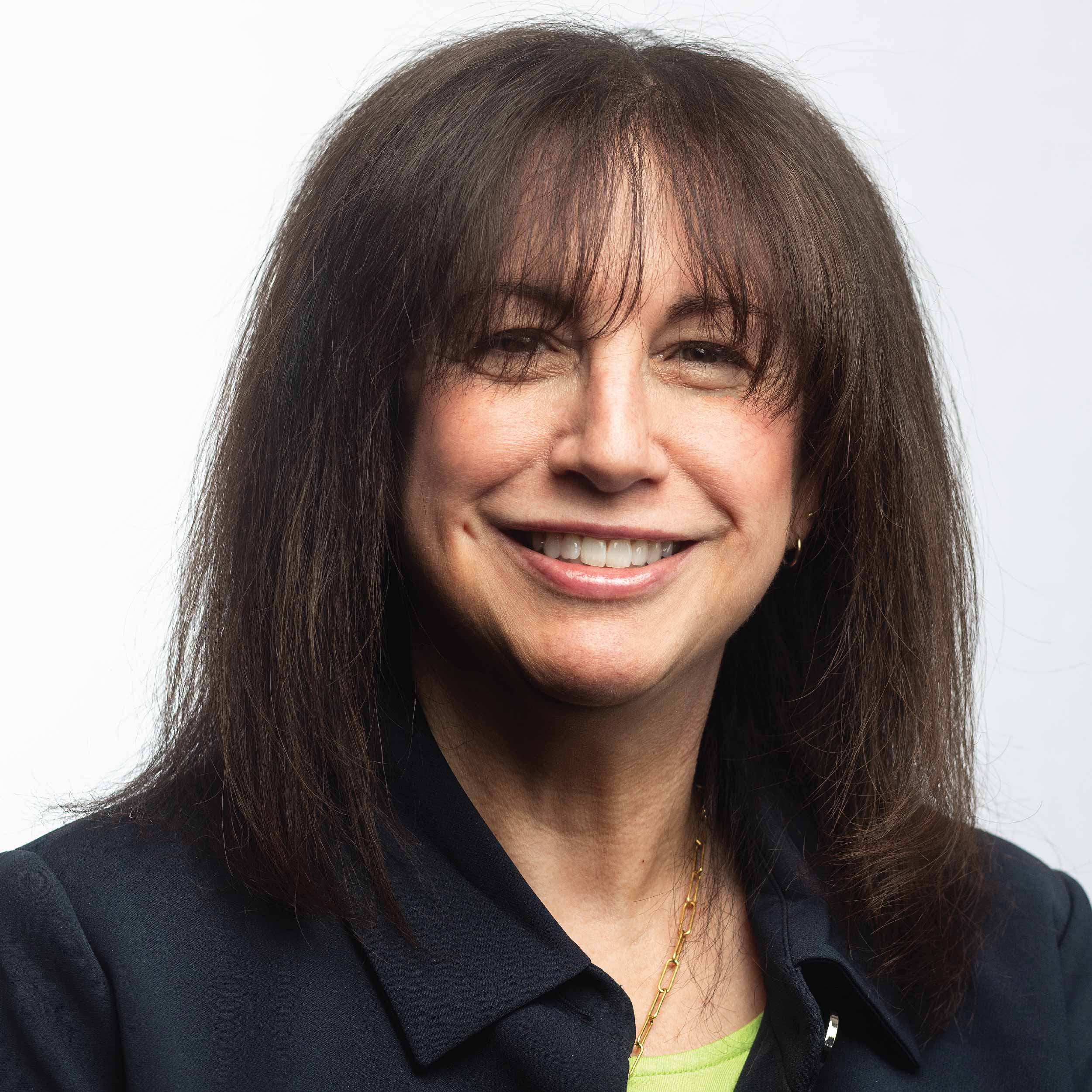
Yasmeen Abu-Laban is Professor of Political Science and Canada Research Chair in the Politics of Citizenship and Human Rights at the University of Alberta, and a Fellow at the Canadian Institute for Advanced Research. She has served as President of both the Canadian Political Science Association and the Canadian Ethnic Studies Association, as well as Vice-President of the International Political Science Association. Her published research addresses themes relating to multiculturalism and anti-racism; migration policies and politics; surveillance, artificial intelligence and border control; and human rights. Recent books she has been involved in co-editing include: Human Rights and the United Nations: Paradox and Promise (Routledge 2025); Resisting the Dehumanization of Refugees (Athabasca University Press, 2024); and Multiculturalism in Global Comparative Perspective (Routledge, 2023). She is also the co-author, with Ethel Tungohan and Christina Gabriel, of Containing Diversity: Canada and the Politics of Immigration in the 21st Century (University of Toronto Press, 2023.
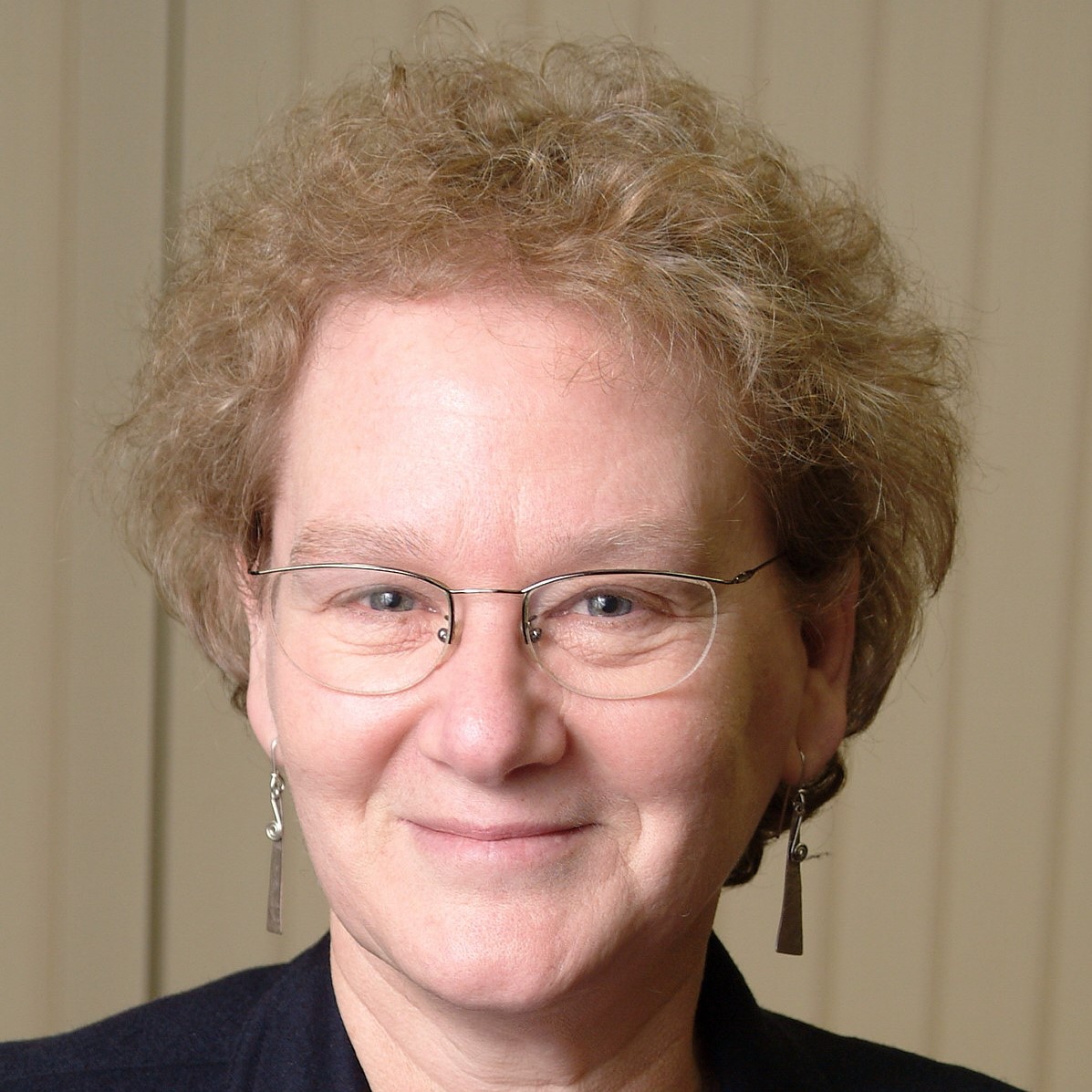
Naomi Alboim is the Senior Policy Fellow at the Canada Excellence Research Chair in Migration and Integration (CERC) program at Toronto Metropolitan University, and a Distinguished Fellow at the School of Policy Studies at Queen’s University. She is an active public policy consultant and has advised governments and NGOs across Canada, in Europe, the Caribbean, Vietnam, Indonesia, Ghana, Kenya and South Korea.
Previously, Naomi worked at senior levels in the Canadian federal and Ontario provincial governments for twenty-five years, including eight years as Deputy Minister in three different portfolios. Her areas of responsibility included immigration, human rights, labour market training, workplace standards, culture, as well as women’s, seniors’, disability, ant-racism and Indigenous issues.
Naomi is a recipient of Queen Elizabeth II’s Gold and Diamond Jubilee Medals and is a member of the Order of Ontario.
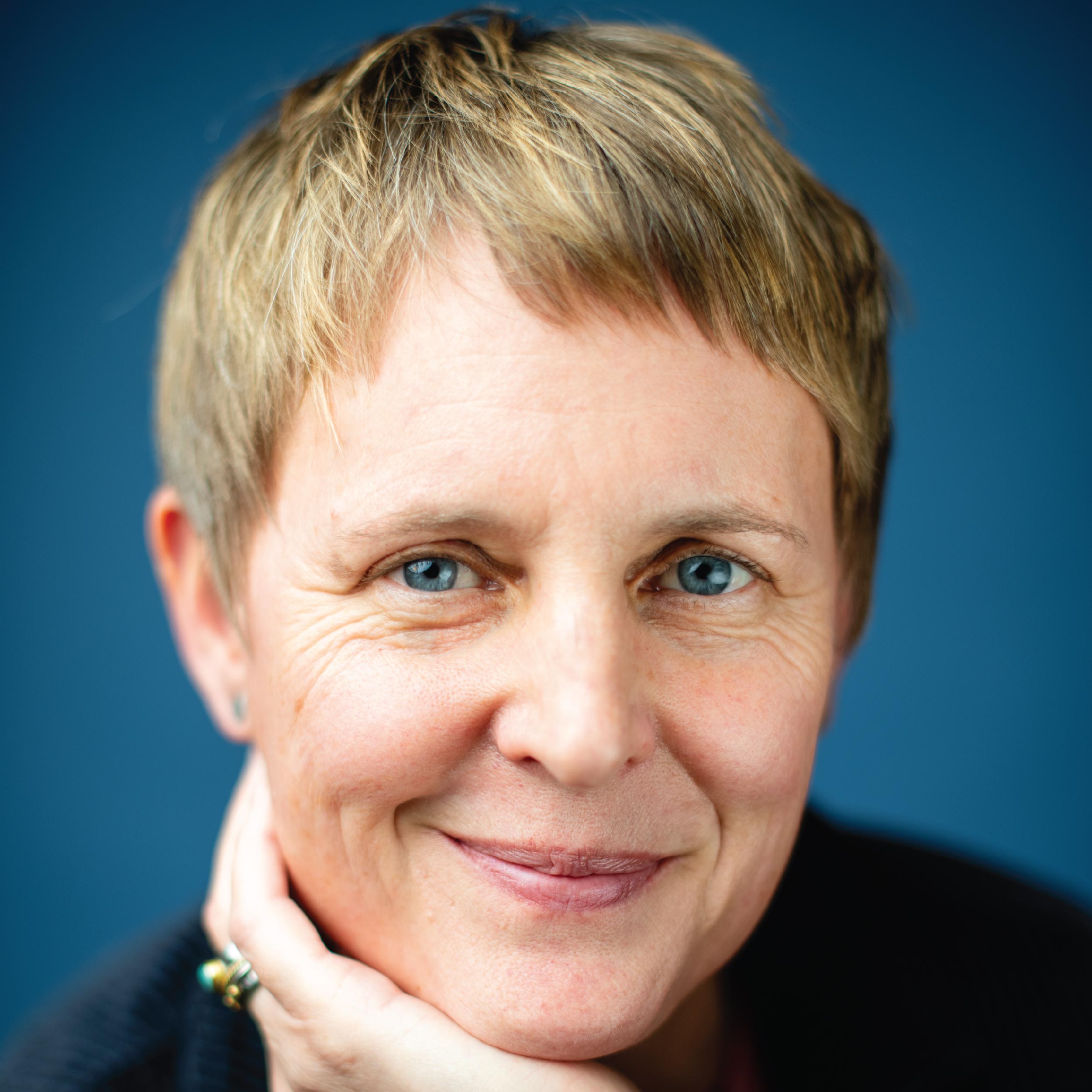
Antje Ellerman is the Founder and Co-Director of the Centre for Migration Studies and a Professor of Political Science at the University of British Columbia, located on xʷməθkʷəy̓əm (Musqueam) territory. A scholar of the politics of migration and citizenship in the global North, her current projects include community-based research collaborations at the intersection of citizenship, belonging, and decolonization in Metro Vancouver, alongside a comparative study of immigration departments in Canada, Australia, and the UK.
Antje is the author of two books, The Comparative Politics of Immigration: Policy Choices in Germany, Canada, Switzerland, and the United States (2021) and States Against Migration: Deportation in Germany and the United States (2009), both published by Cambridge University Press. She also serves on the editorial board of the Journal of Ethnic and Migration Studies and is the former Co-President of the American Political Science Association’s Migration and Citizenship Section.
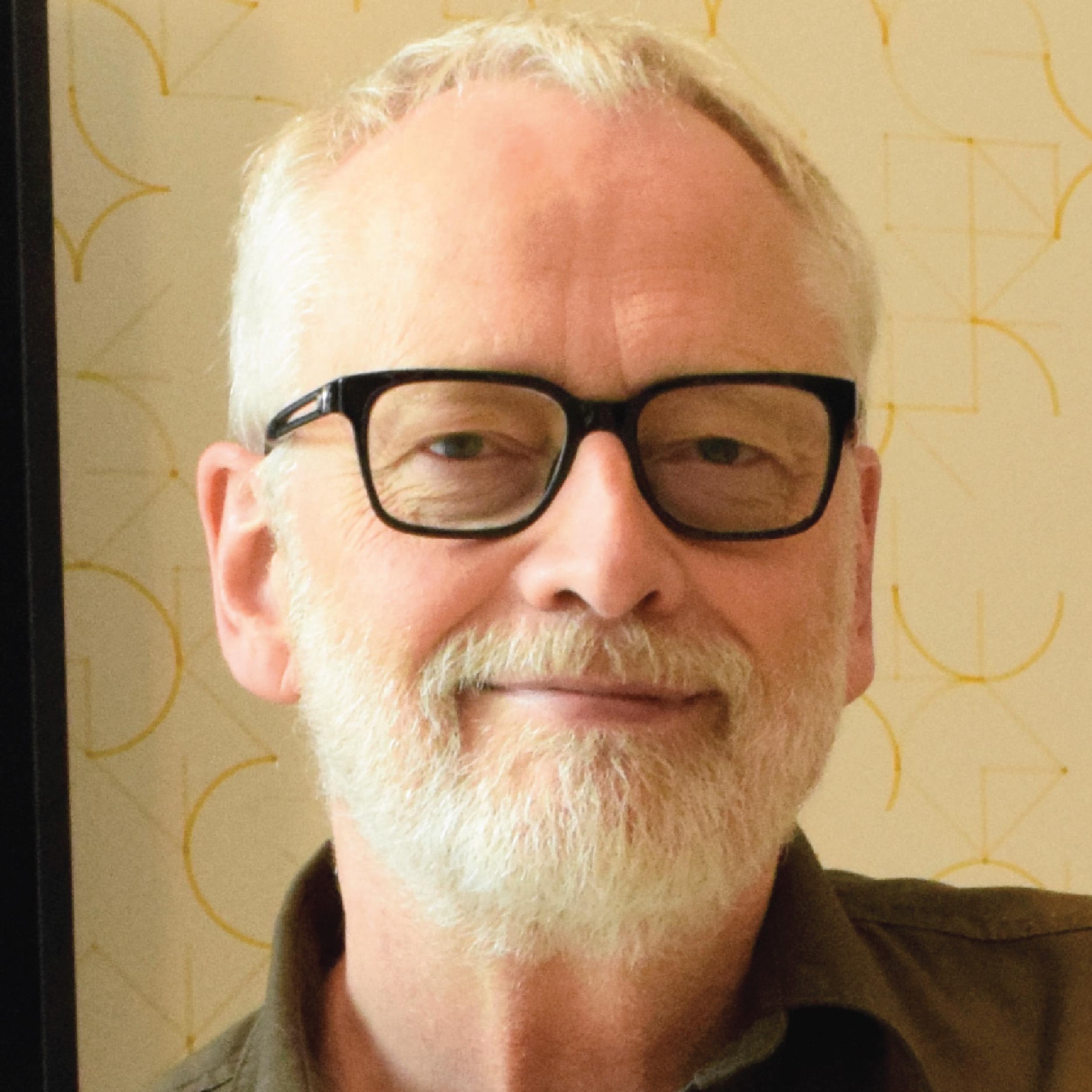
Dan Hiebert is Emeritus Professor of Geography at the University of British Columbia. He conducts research on migration/immigration policy and the impact of immigration on Canadian cities. This includes an effort to understand Canadian immigration within the wider global context. He also plays an active role in the Canadian policy process. This has included extensive engagement with municipal, provincial and federal authorities. In 2021-2024 he was appointed Academic in Residence at Immigration, Refugees and Citizenship Canada. He is also closely associated with the Bridging Divides project at Toronto Metropolitan University, the Max Planck Institute for the Study of Religious and Ethnic Diversity, and the Transatlantic Council on Migration.
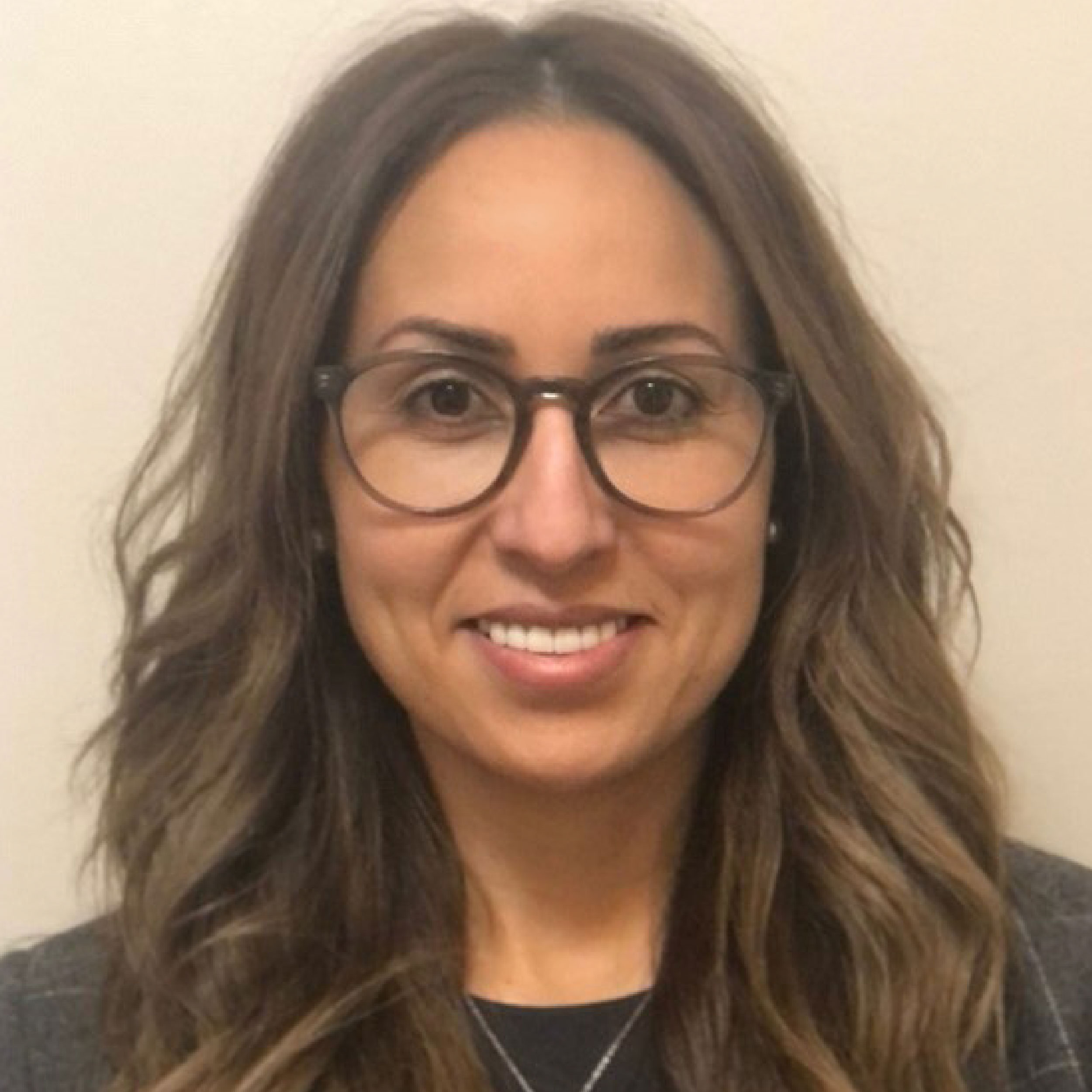
Hayat Looye is the Senior Director of Strategic and Digital Policy at Immigration, Refugees and Citizenship Canada (IRCC), where she has been a key member of the Strategic and Horizontal Policy Branch since January 2023. In her role, Hayat provides strategic leadership on a wide range of policy issues, working on large-scale horizontal and strategic policy initiatives. She offers expert guidance to the department, including advising on approaches for new and incoming governments, and plays a critical role in shaping immigration policy and responding to the evolving global context.
With over a decade of experience in the Federal Public Service, Hayat has held a diverse range of roles across several key departments, including Indigenous Affairs and Northern Development Canada, the Canada Revenue Agency, and the Treasury Board of Canada Secretariat. Her career has spanned critical areas such as digital policy, advanced analytics, and public service engagement. Throughout her work, Hayat has consistently provided strategic leadership, driving high-impact initiatives that align with government priorities, improve operational effectiveness, and foster innovation within the public sector. Her expertise in shaping policy and implementing solutions has contributed to the advancement of both departmental and whole-of-government objectives.
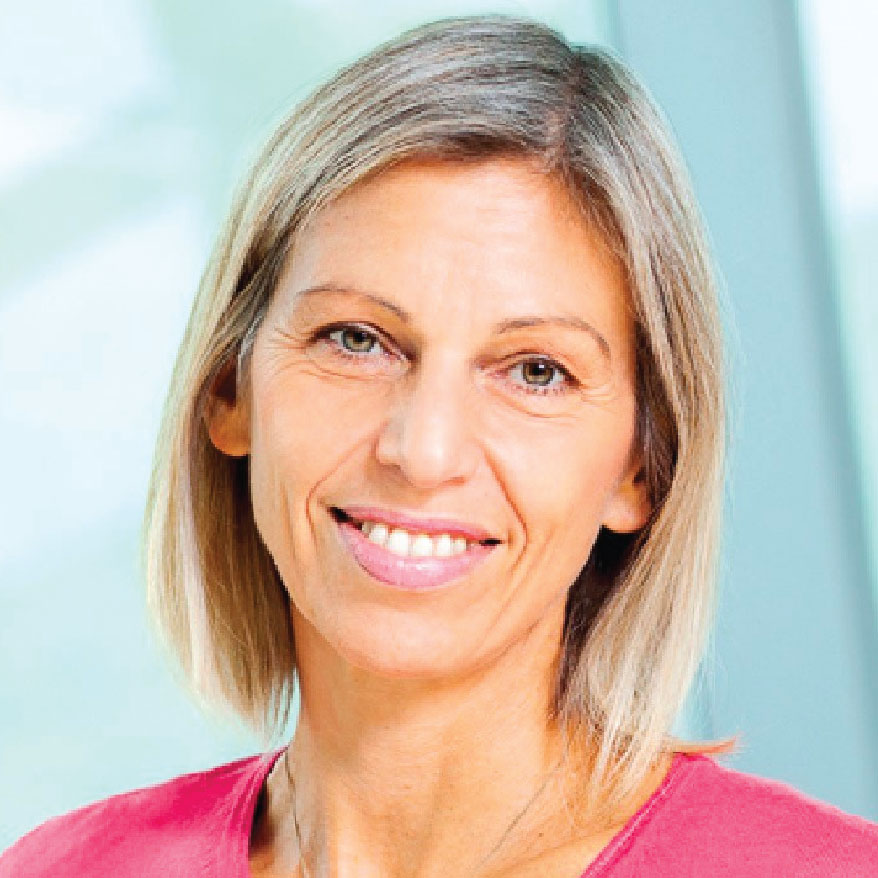
Anna Triandafyllidou holds the Canada Excellence Research Chair in Migration and Integration at Toronto Metropolitan University. In 2023, she took on the additional role of Scientific Director for a new $98.6 million project, Bridging Divides, awarded to Toronto Metropolitan University by the Government of Canada through the Canada First Research Excellence Fund. Prior to joining the university, Anna was based at the European University Institute, where she held a Robert Schuman Chair on Global Pluralism. She is Editor of the Journal of Immigrant & Refugee Studies, Chair of the IMISCOE Editorial Committee and member of the IMISCOE Board of Directors.
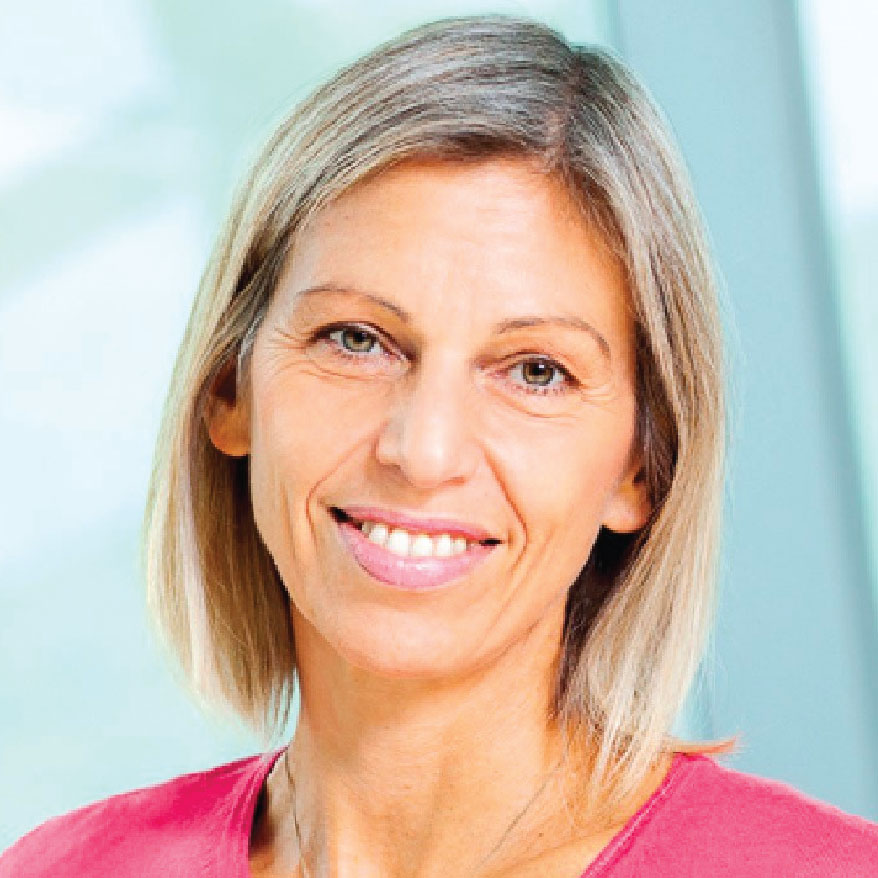
Anna Triandafyllidou holds the Canada Excellence Research Chair in Migration and Integration at Toronto Metropolitan University. In 2023, she took on the additional role of Scientific Director for a new $98.6 million project, Bridging Divides, awarded to Toronto Metropolitan University by the Government of Canada through the Canada First Research Excellence Fund. Prior to joining the university, Anna was based at the European University Institute, where she held a Robert Schuman Chair on Global Pluralism. She is Editor of the Journal of Immigrant & Refugee Studies, Chair of the IMISCOE Editorial Committee and member of the IMISCOE Board of Directors.
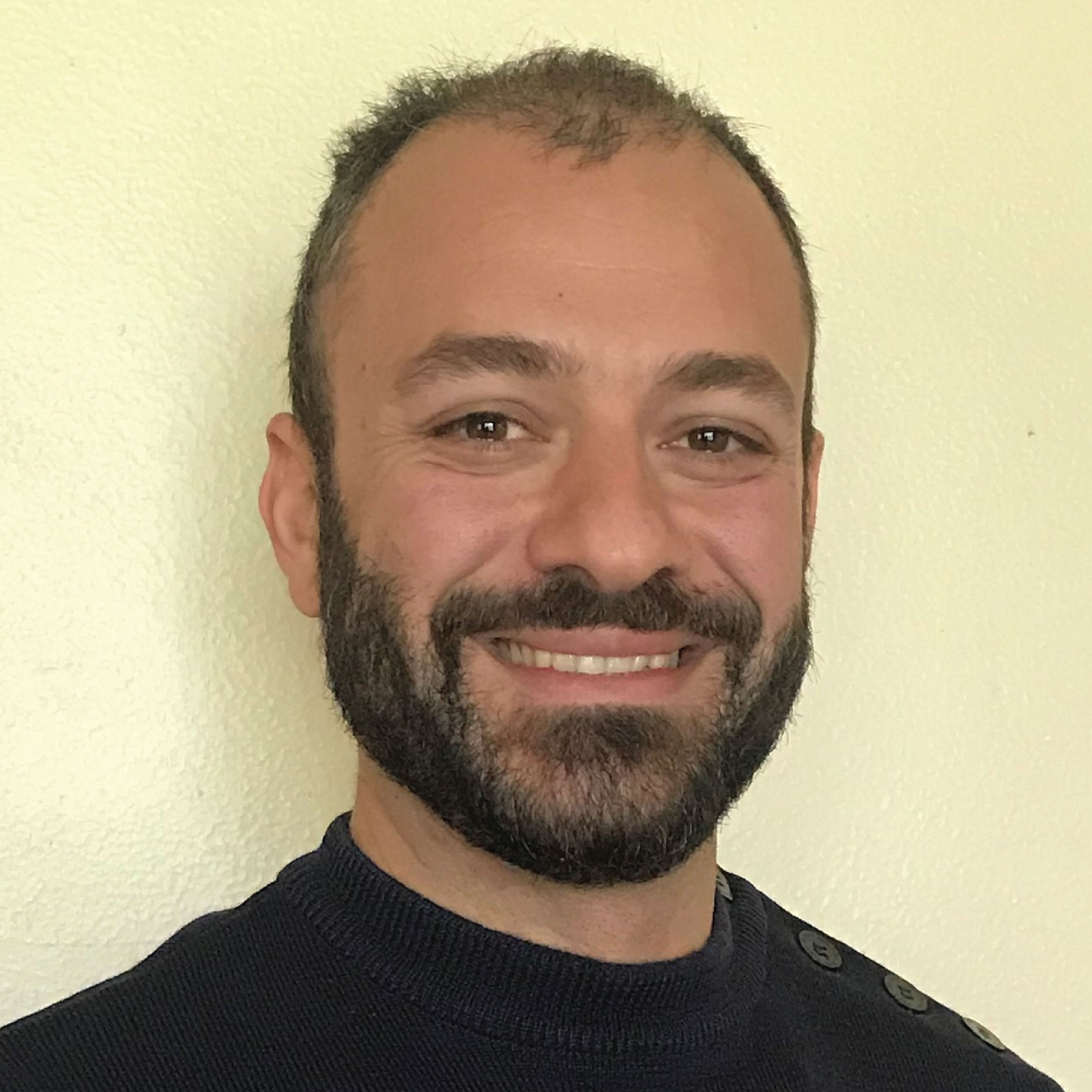
Amin Moghadam is Research Lead, Cities and Migration, at the CERC in Migration and Integration at Toronto Metropolitan University. His research explores connections between housing policies and diaspora politics with a focus on the Iranian diaspora in Toronto. He particularly looks at the role of transnational practices in the homeownership experience of immigrants, the role of intermediary actors such as real estate agents as migration brokers as well as emotional aspects of homeownership experiences of newcomers in Canada’s large urban centres. Amin holds a PhD in Human Geography and Urban Studies from the University of Lyon II, France. His research and publications have focused on migration policy and practices, diaspora studies, circulation and regional integration in the Middle East, with focus on the Persian Gulf region (Iran and UAE).
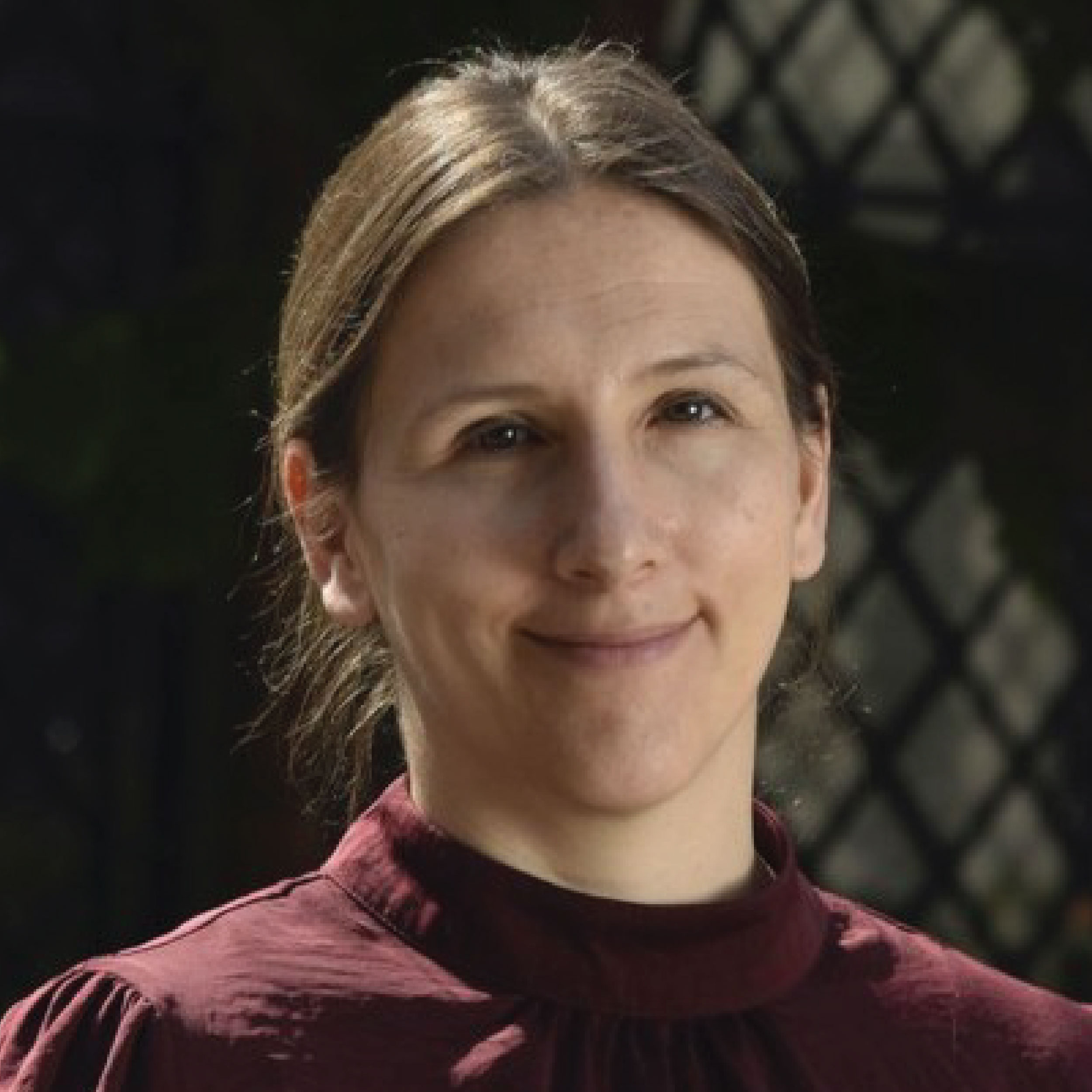
Marta Bivand Erdal is a Research Professor in Migration Studies, at Peace Research Institute Oslo (PRIO), Norway, where she is Co-Director of the PRIO Migration Centre. As a Human Geographer she is interested in the impacts of migration and transnationalism in both emigration and immigration contexts. This has led to research on migration and development, the interplay of social and spatial mobility, and migration-related diversity including on religion, nationhood and citizenship. Marta’s work draws on interview, focus group, and survey data, paying critical attention to the use of categories. Her empirical focus is on European and Asian contexts. She has published extensively in migration studies and geography journals and engages regularly with governmental and non-governmental stakeholders. Marta is an Editorial board member of the Journal of Ethnic and Migration Studies, Migration and Development, and an Editorial Advisory Board member of the Central and Eastern European Migration Review.

Marina Manke, before joining the Global Migration Data Analysis Centre as its new chief in June 2022, headed the Labour Mobility and Social Inclusion Division in the Department of Policy Support and Migration Management, IOM Headquarters in Geneva. She joined IOM in 2004 as a migration data specialist at the Vienna Technical Cooperation Centre for Europe and Central Asia. Since then, evidence-based, future proof and coherent governance of migration has become her prime area of specialization, demonstrated through co-authorship of such flagship publications as “Sharing Data – Where to Start (external link) (external link) ”, “Migration Profiles – Making the Most of the Process (external link) (external link) ”, as well as expert interventions at high-level international and national fora.
She holds a diploma in linguistics and English philology from the Samara State University, an MA in Political Science from the Central European University, and a PhD in International Relations from the University of Cambridge.
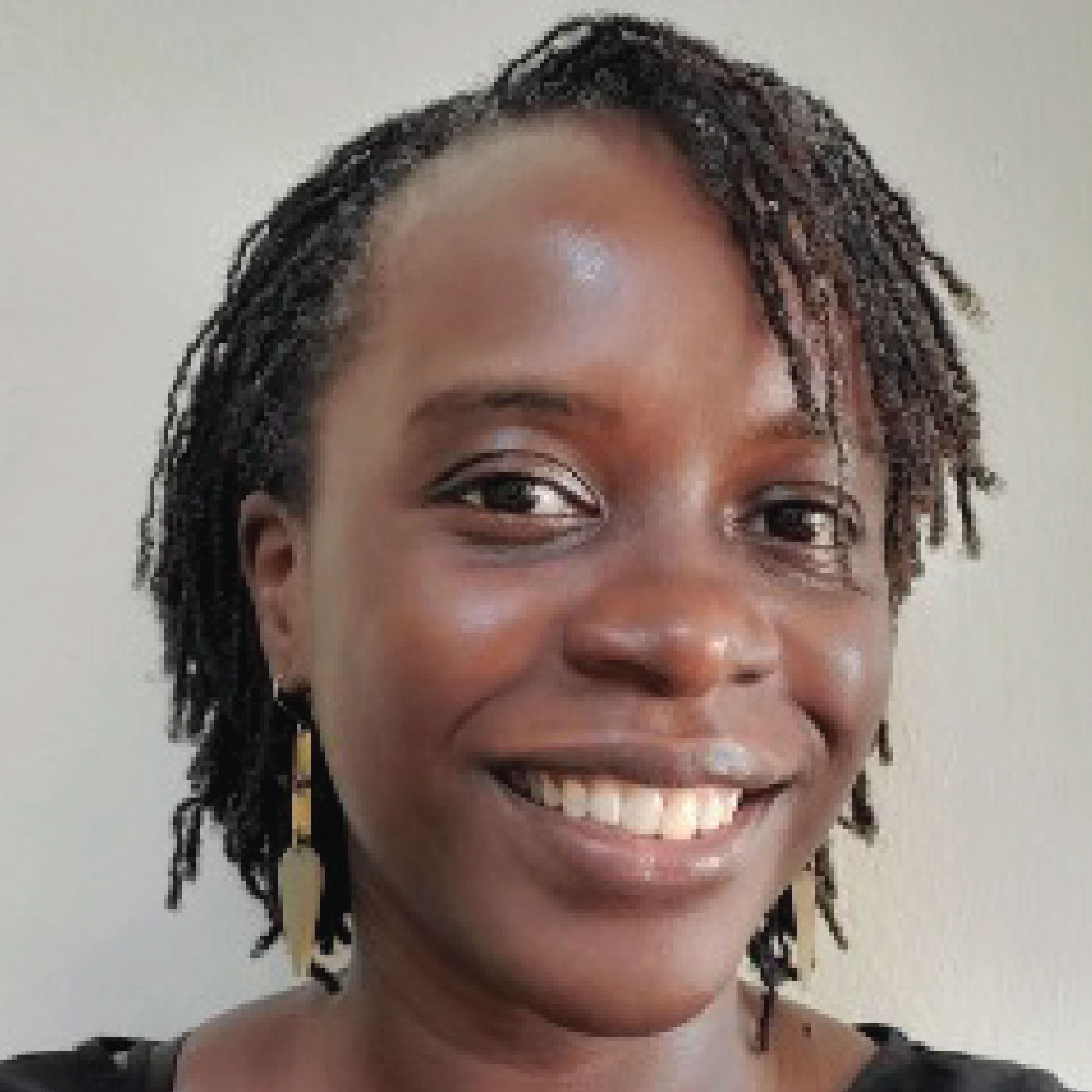
Linda Oucha is a dynamic leader on migration governance and policy and the Executive Director of the African Migration and Development Policy Centre (AMADPOC) in Nairobi, Kenya. She is also a part-time professor at the Migration Policy Centre at the European University Institute in Florence, Italy, where her work focuses on bridging migration research and policy design and implementation. She recently joined the CERC Migration as a Scholar of Excellence as an expert in her field. Her diverse research interests encompass migration governance, labour migration, regional integration, free movement in Africa, forced displacement, and irregular migration among others. Linda has spearheaded collaborative projects with renowned organizations like the International Organization for Migration, International Development Research Centre (IDRC), GIZ, among others. She also works closely with governments across Africa and the African Union Commission to drive evidence-based policy solutions for migration challenges.

Brenda S.A. Yeoh FBA is Raffles Professor of Social Sciences, National University of Singapore (NUS) and Research Leader, Asian Migration Cluster, at NUS’ Asia Research Institute. She was awarded the Vautrin Lud Prize for outstanding achievements in Geography in 2021 for her contributions to migration and transnationalism studies. Her research interests in Asian migrations span themes including social reproduction and care migration; skilled migration and cosmopolitanism; and marriage migrants and cultural politics.
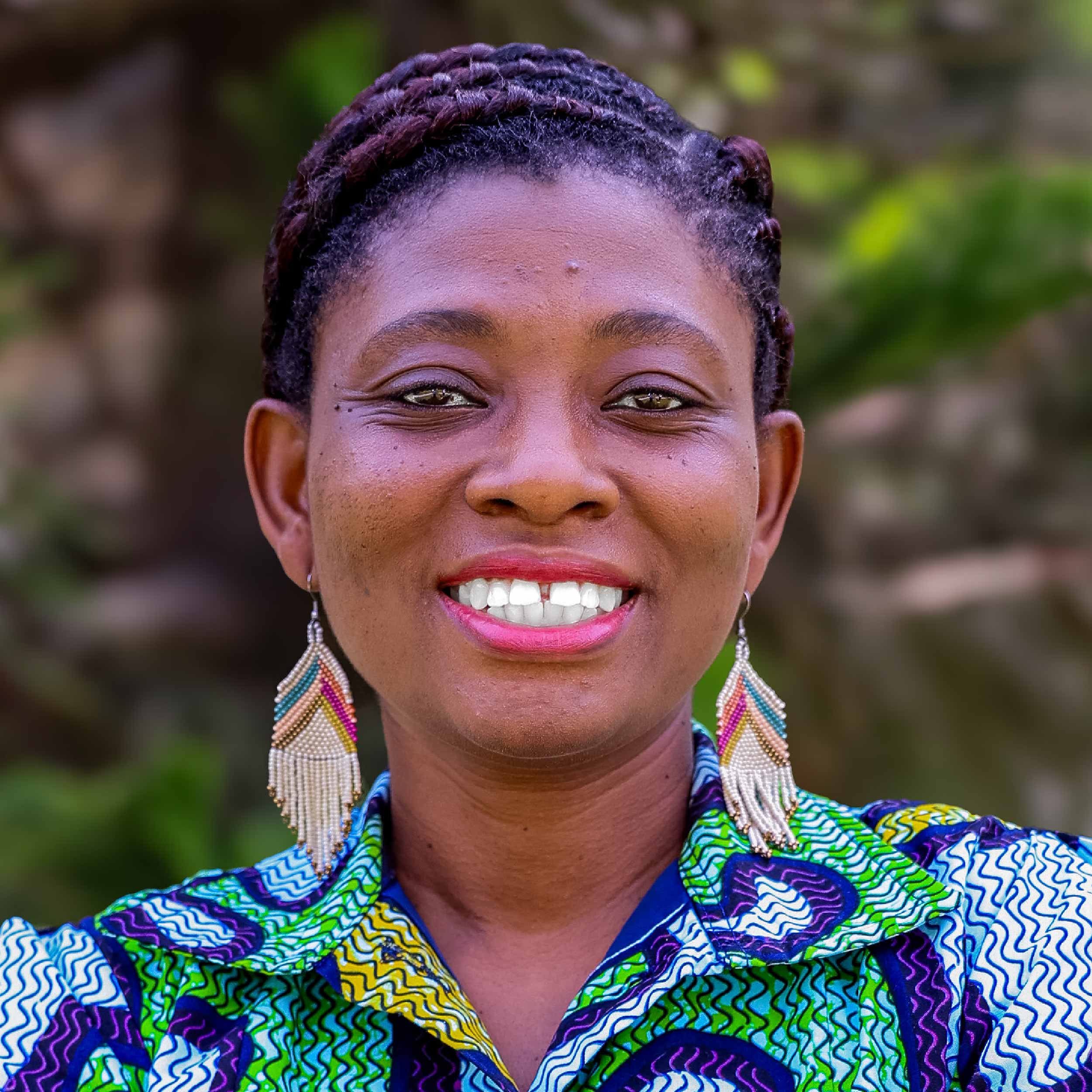
Mary Boatemaa Setrana is an Associate Professor and Director of the Centre for Migration Studies, University of Ghana, and IDRC Forced Displacement Chair for West Africa. She is an advisory board member of the ARUA Centre of Excellence on Migration & Mobility and the Centre for Forced Migration at Boston University. She currently serves as the Programme and Innovation Officer for the IASFM Conference Committee and is a member of the CODESRIA Scientific Committee. She co-chaired the College of Humanities Day of Scientific Renaissance of Africa (2023-2024) and has participated in the College of Humanities Annual Conference since 2022. She is a core partner in ARUA projects funded by the Mastercard Foundation and leads the African Hub's South-South Migration Network. Her research spans social inclusion, migration, and development studies. She is a member of the editorial board of the African Studies Review (ASR). She is a consultant to UN agencies such as the International Organisation for Migration, the International Labour Organisation, the UN Economic Commission for Africa (UNECA), and other international development organizations such as the Deutsche Gesellschaft für Internationale Zusammenarbeit (GIZ) GmbH and the Carnegie Corporation of New York. She is currently leading the evaluation of the Migration Policy Framework for African Union member states. She has facilitated migration and other sectoral (labour and diaspora) policymaking in Botswana, Zimbabwe, Zambia, Malawi, and Ghana.
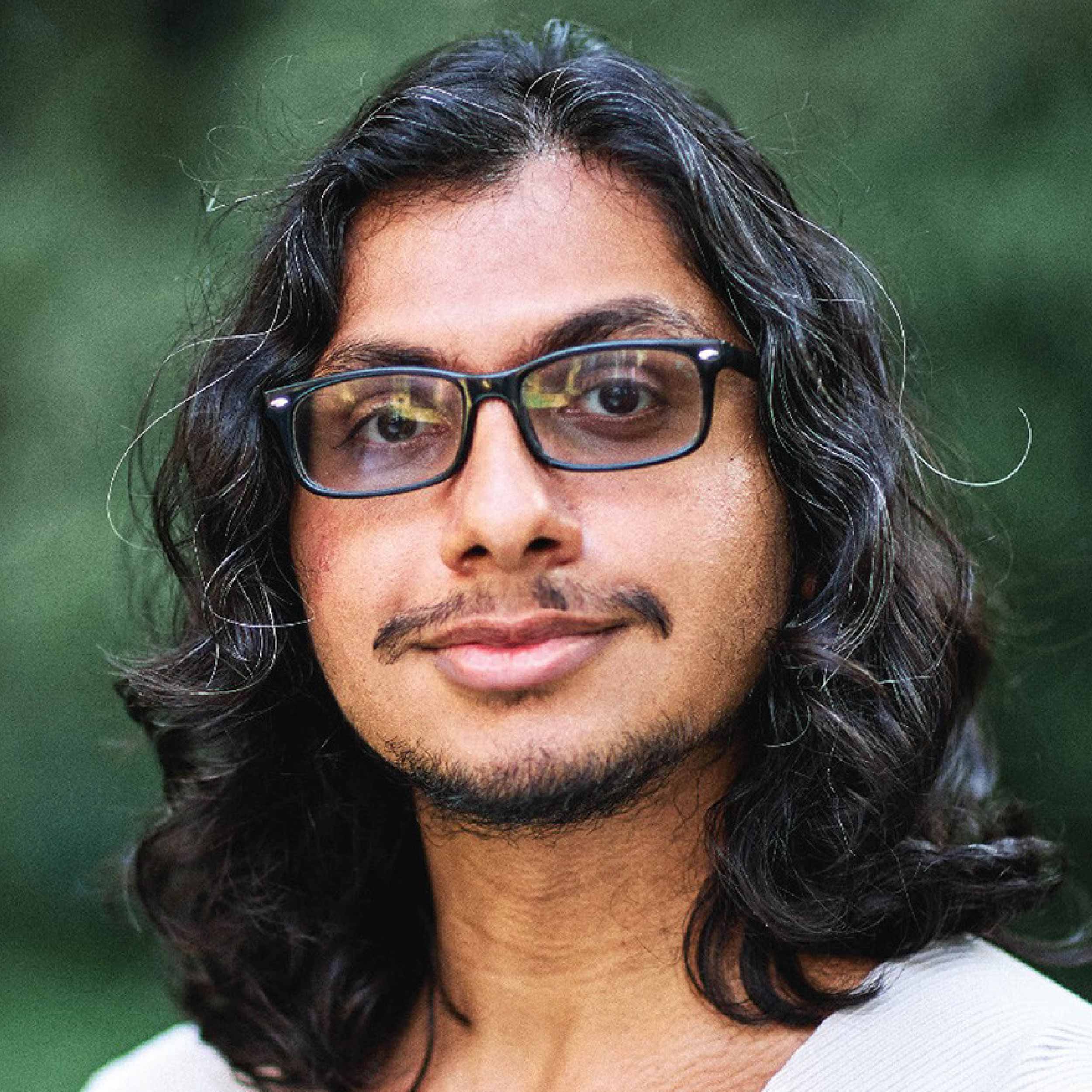
Yousef Khalifa Aleghfeli is a Research Fellow in data science and migration, where they lead projects that measure current and future population growth in Canada using various demographic and migration methods, simulate policy relevant migration scenarios using various demographic projection models, and assess migration's impact on national, provincial and local population systems, particularly education and social care systems. Yousef's strengths lie in their ability to integrate large quantitative data using R with large qualitative data using NVivo and to answer complex social research inquiries.
Prior to joining CERC Migration, Yousef worked as Research Officer for the Rees Centre (external link) at the University of Oxford's Department of Education advising UK local authorities on strategic planning, financial management, and data systems management for enhanced delivery of child and youth services. Yousef also worked as Research Officer for TalkTogether (external link) , a research programme on child development in the Global South at the University of Oxford, and as Research Fellow for HERE (external link) (Hub for Education for Refugees in Europe), a research programme on refugee and forced migrant education in the Europe, at the Centre for International Education Research (external link) at the University of Nottingham.
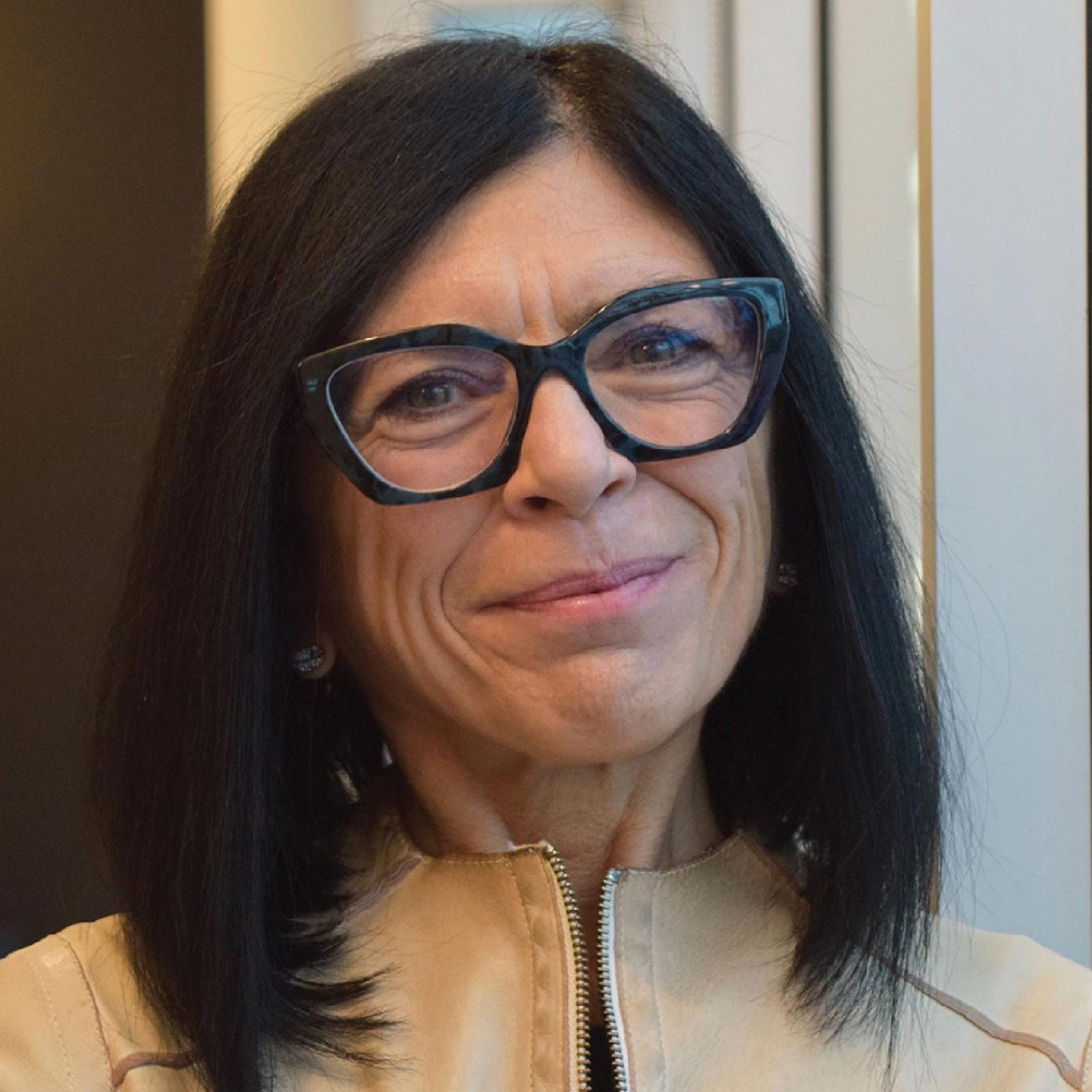
Daniela Ghio is a tenure-track associate professor at the University of Catania. She earned her PhD in Demography from the Université de Montréal and specializes in migration and integration policy. She studied economics, statistics, law, and political sciences at the University of Pisa. Daniela adopts demographic methods and econometric approaches to analyze the social and human capital determinants of migration and assess the impacts of spatial patterns on population dynamics. Most of her work has taken a comparative perspective, looking across geographical scales, ranging from global to high-spatial resolutions. She applies micro-macro projection models to detect the long-term effects of the population trends, exploring future demographic challenges and vulnerability to environmental and climate risks. Daniela is also associate researcher at CERC Migration; she contributed to the MEMO Project initial phases as Project Coordinator, and is currently part of the Data Collection and Modelling Working Group and member of the Americas Hub.
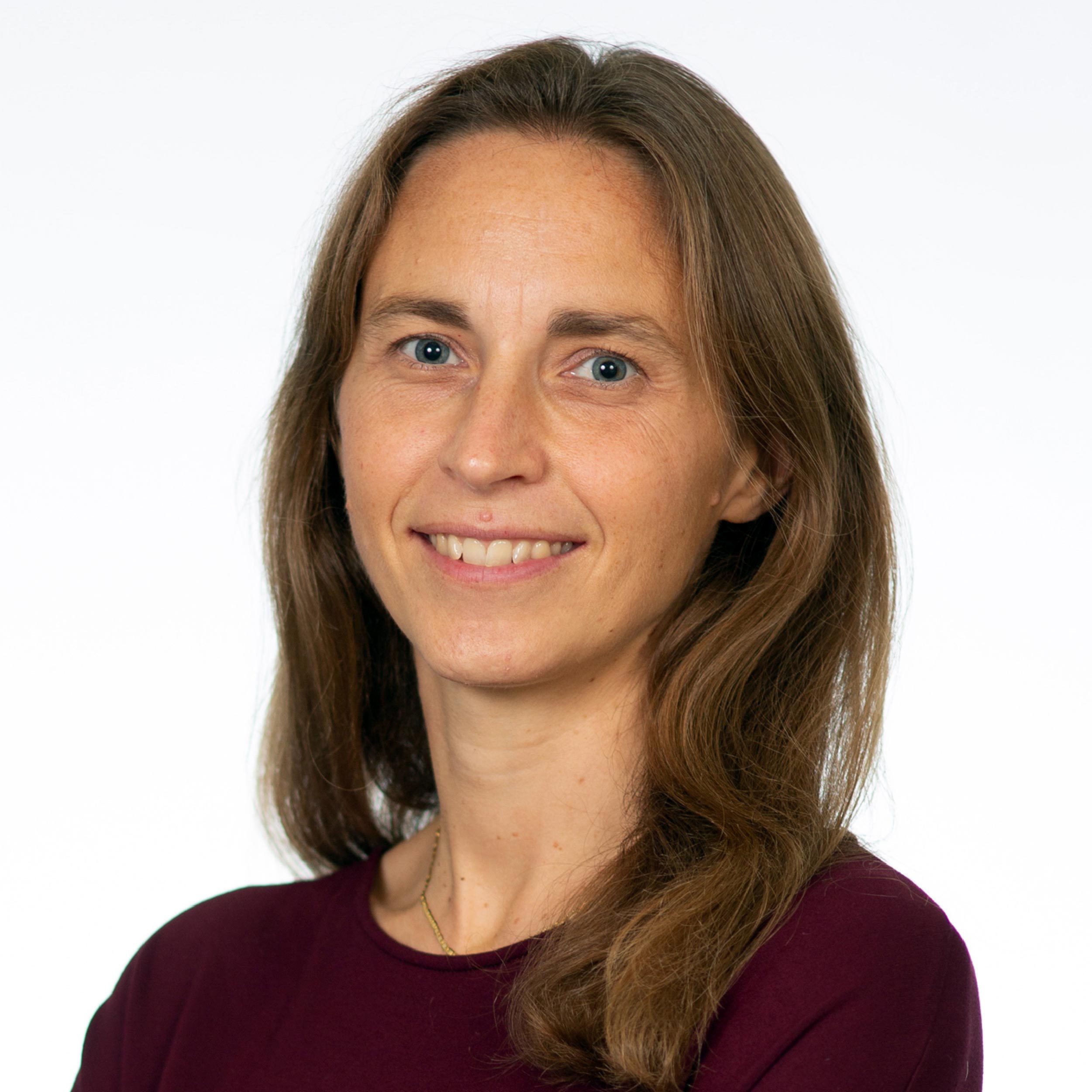
Ali Mazalek is a Professor and the Edward S. Rogers Sr. Research Chair in Embodied Digital Media in The Creative School at Toronto Metropolitan University. Her research investigates how tangible and computational media can support and enhance creativity and discovery, supporting new forms of expression and new ways of thinking and learning. Her Synaesthetic Media Lab is a playground where physical materials, analog sensors, and digital media happily co-exist and come together in novel ways to support creative practices and processes across both science and art disciplines. Mazalek is an Affiliate Scientist at the Keenan Research Centre for Biomedical Science, St. Michael’s Hospital, and a member of the Institute for Biomedical Engineering, Science and Technology (iBEST). She received her Ph.D. from the MIT Media Lab and is a member emeritus of the inaugural cohort of the Royal Society of Canada’s College of New Scholars, Artists and Scientists.
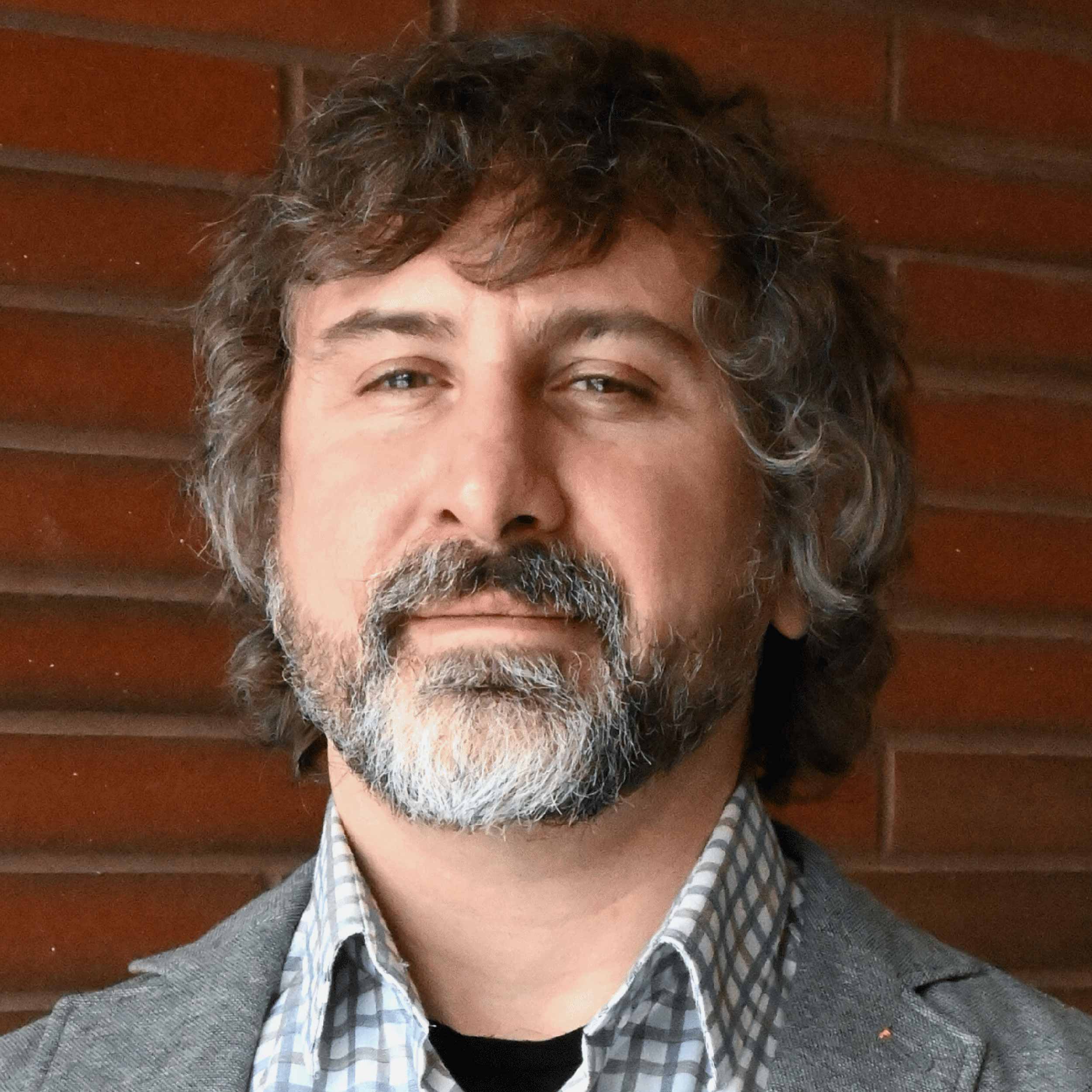
Gabby Resch is an Assistant Professor in the Faculty of Business and Information Technology at Ontario Tech University. His research explores new methods for making sense of data as it moves between physical and digital worlds. He is presently engaged in research projects that explore novel methods for geospatial visualization, scrolling interactives for medical knowledge translation, and immersive augmented and virtual reality for medical training. Prior to joining Ontario Tech, he was a postdoctoral fellow with the Synaesthetic Media Lab at Toronto Metropolitan University, where he carried out research on virtual reality games designed to enhance spatial cognition, AR and VR environments for motor learning, and immersive media for medicine. Gabby received his PhD from the University of Toronto, where his doctoral research examined tangible and embodied approaches to data visualization.
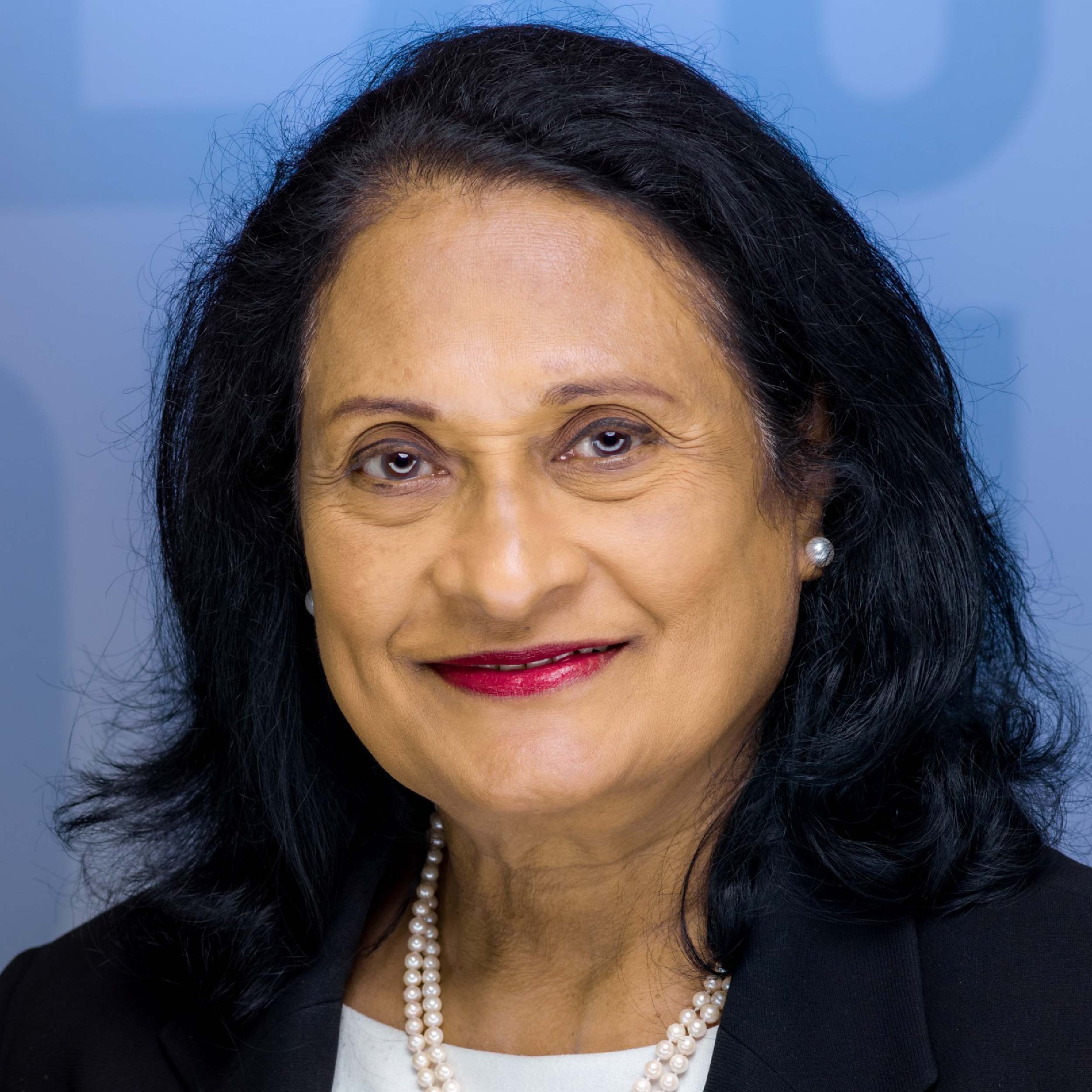
Usha George is a professor in the School of Social Work at Toronto Metropolitan University and a leading scholar in newcomer settlement and integration. She formerly served as academic director of the Toronto Metropolitan Centre for Immigration and Settlement (TMCIS), interim vice-president of research and innovation, and dean of the Faculty of Community Services (2006–2017). Dr. George has held leadership roles at the Ontario Metropolis Centre of Excellence and the University of Toronto’s Faculty of Social Work. Her research focuses on social work with diverse communities, immigration policies, and the integration of newcomers into Canadian society. She has secured over C$24 million in research funding and is widely published. Originally from India, Dr. George immigrated to Canada in 1990 and has worked in both academic and community sectors. She holds a PhD in Sociology from Ahmadu Bello University, Nigeria, and master’s degrees from Loyola University Chicago and the University of Kerala.
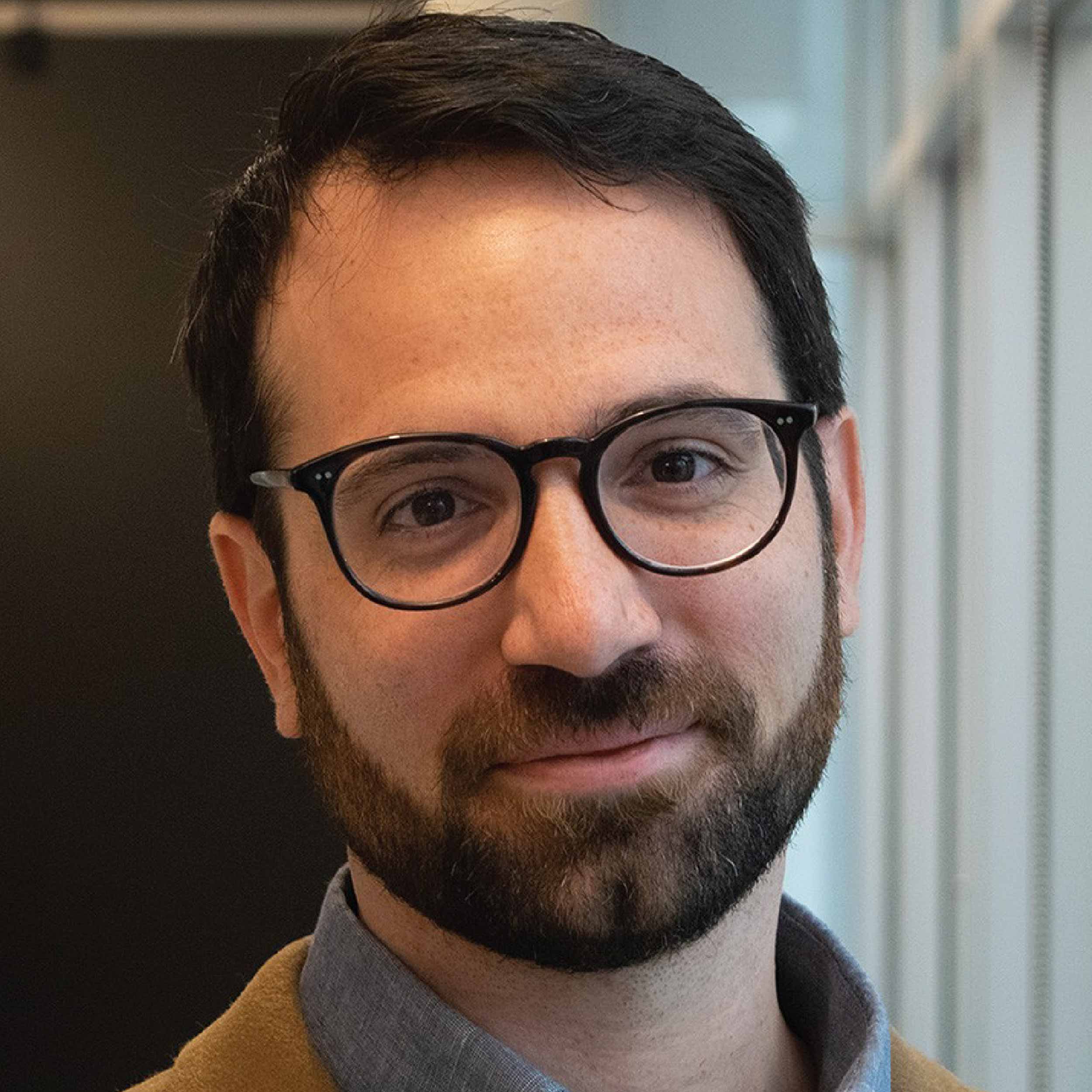
Jérémie Molho’s research adopts a comparative urban studies approach. He has conducted fieldwork in emerging global cities such as Istanbul, Doha and Singapore and has been developing an interest for visual and video-based research methods in recent years. Jérémie's current research compares the urban policies and politics of attraction and retention of migrants with complex trajectories spanning across Asia, the Middle East and Canada. Since 2023, he is the Principal investigator of the project Fostering Integration Through the Arts (FIT-ART), a partnership with the Toronto Arts Council (TAC) funded by Canada’s Social Science and Humanities Research Council, which studies the TAC’s program for newcomers and refugees. He is also co-PI in the project funded by the French Embassy in Canada exploring the trajectories of French Students in Canada.
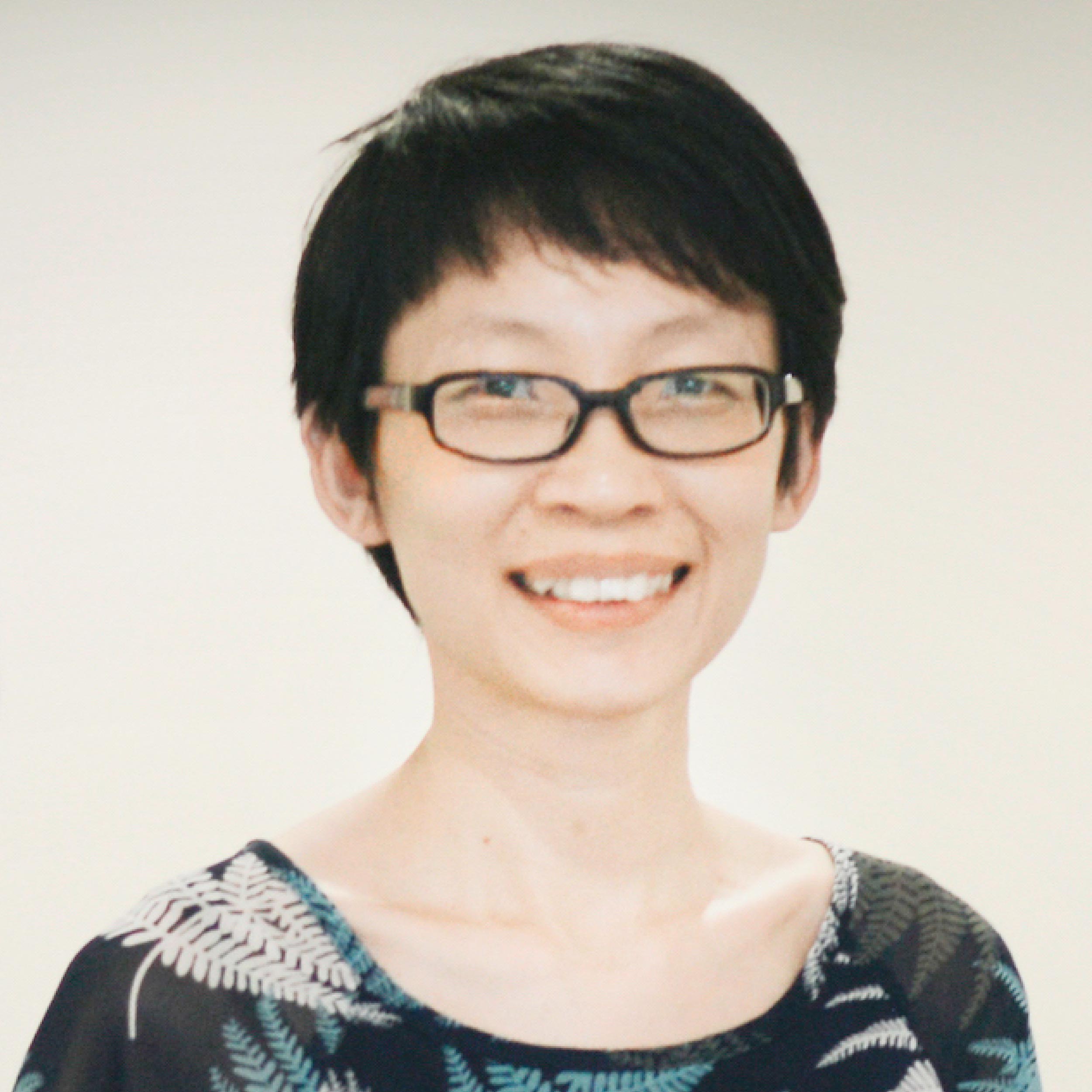
Sin Yee Koh is Senior Assistant Professor of Asian Migration, Mobility and Diaspora at the Institute of Asian Studies, Universiti Brunei Darussalam; and Adjunct Senior Research Fellow at the School of Arts and Social Sciences, Monash University Malaysia. She is a human geographer working at the intersections of migration studies and urban studies. Her work uses the lens of migration and mobility to understand the circulations of people, capital, and aspirations in and through cities. She has published on migration and colonial legacies, diaspora strategies, academic and teacher expatriate mobilities, migration and urban intermediaries, lifestyle migration-led urban speculation, cities and the super-rich, and the globalisation of real estate.
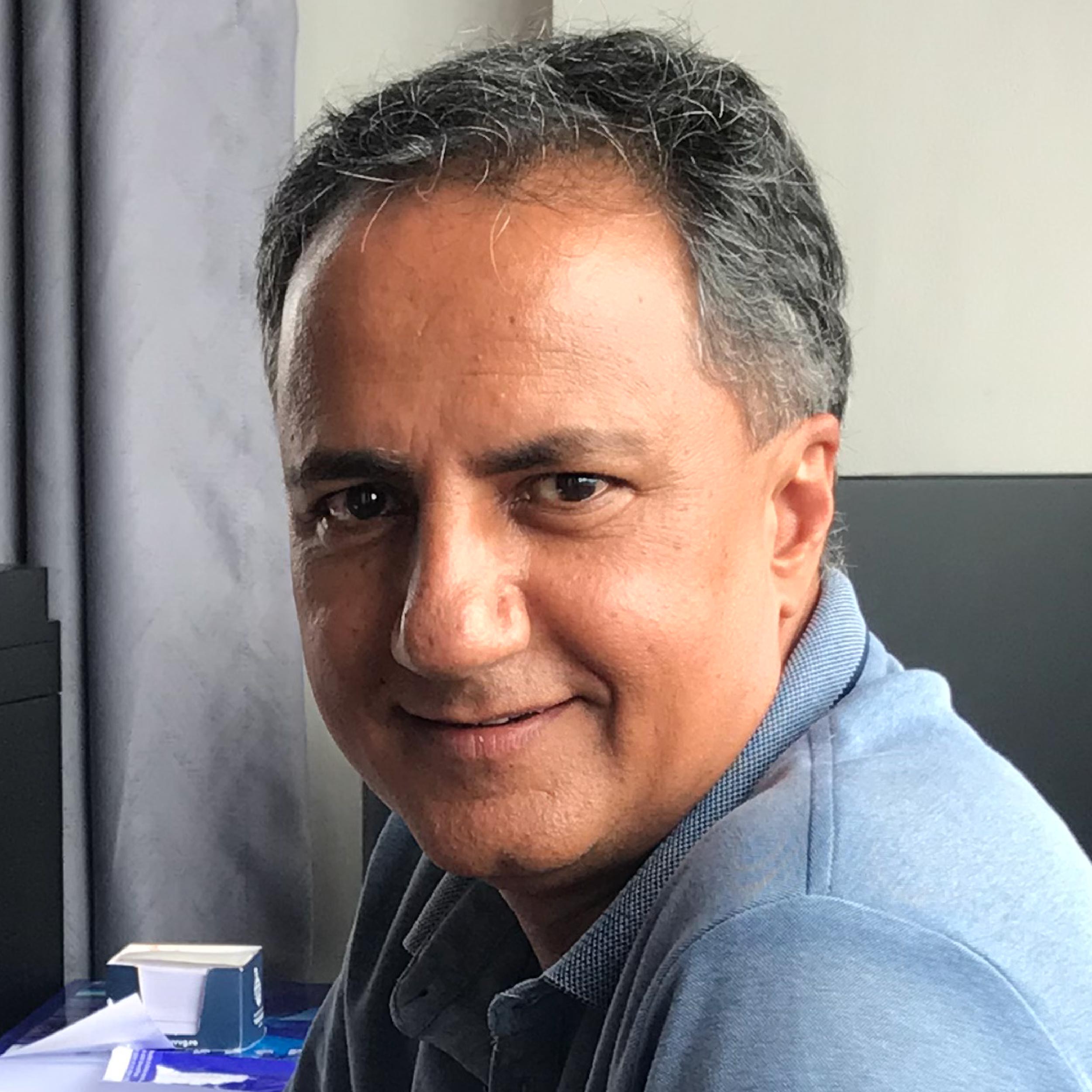
Sagar R. Sharma is a Professor of Development Economics at the Department of Development Studies, School of Arts of Kathmandu University. He is an expert in development studies in South Asia. He did his PhD from Fukuoka University, Japan. He is leading several PhD and Post-doc studies on Migration, Climate Change and Adaptation, Sustainable Agriculture and Digital Extension, and Ethics and Sustainable Development. He is also the founding Director of the Himalaya Centre for Asian Studies (HiCAS), a research platform for studying ancient knowledge systems and cultures across the Himalayas. He is also a Board Member of Transparency International Nepal and a Committee Member of the Environmental and Social Framework for Higher Education at the University Grants Commission, Nepal. He has done extensive research on and written about issues related to migration and mobility, foreign aid, ethics and sustainable development, agrarian reform, land rights and land reform.
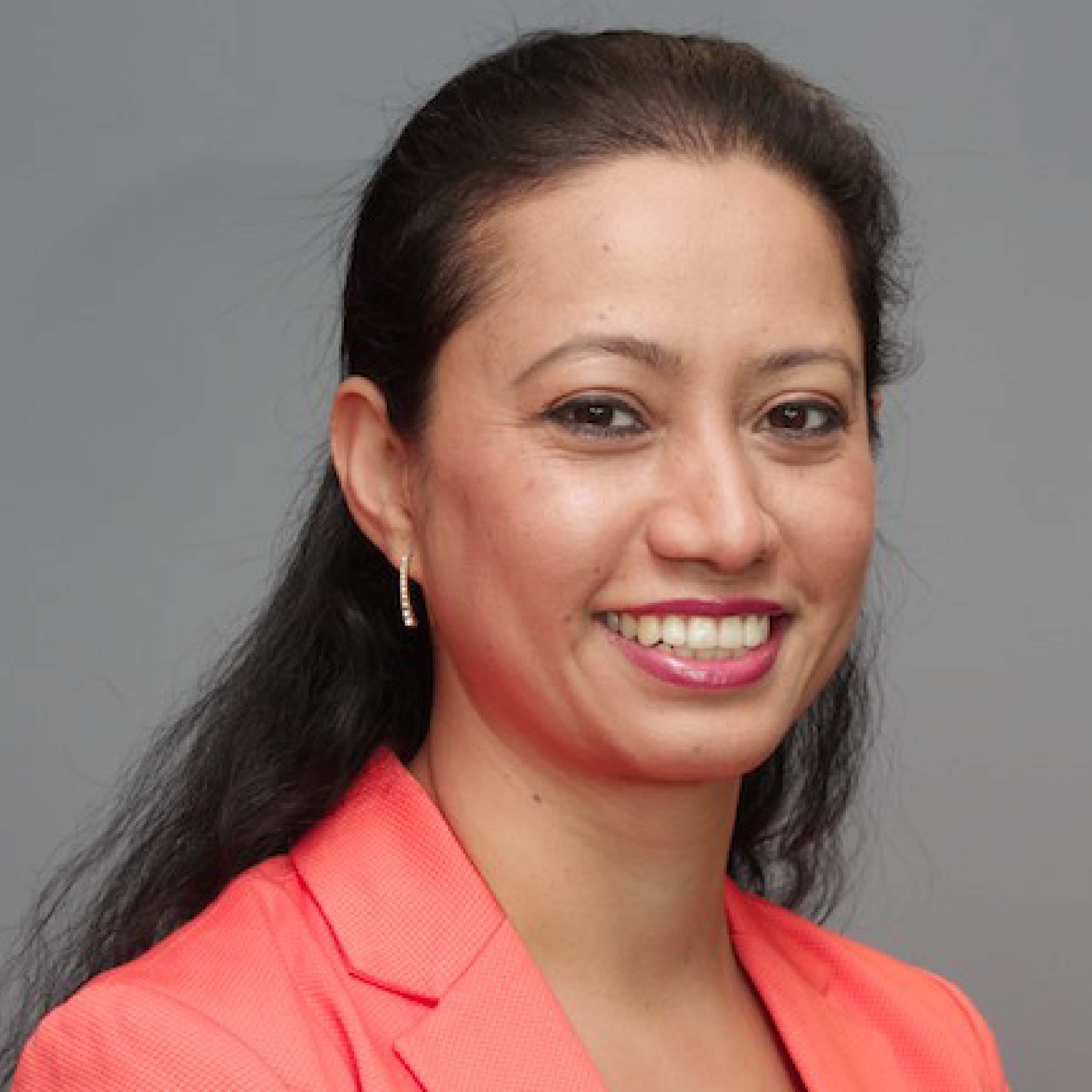
Richa Shivakoti is the Research Lead on Migration Governance at the Canada Excellence Research Chair in Migration & Integration at Toronto Metropolitan University. She is currently the lead investigator for a Bridging Divides funded research project on multinational migrations to and from Canada. She also works on topics related to the implications of gendered migration policies, on the use of advanced digital technologies in mediating migration decisions, complex migration flows and drivers, and the governance of labour migration within Asia.
Richa is an Associate Editor for the Comparative Migration Studies journal, the Managing Editor for the TMCIS/CERC Working Paper series and is on the Editorial Advisory Panel for Public Administration and Development.
Richa has a PhD in Public Policy from the National University of Singapore and a dual Masters in Public Affairs and Political Science from Indiana University, Bloomington. Previously, she was a research officer at Carleton University, a postdoctoral fellow at Maastricht University, and a Visiting Scholar at Georgetown University.
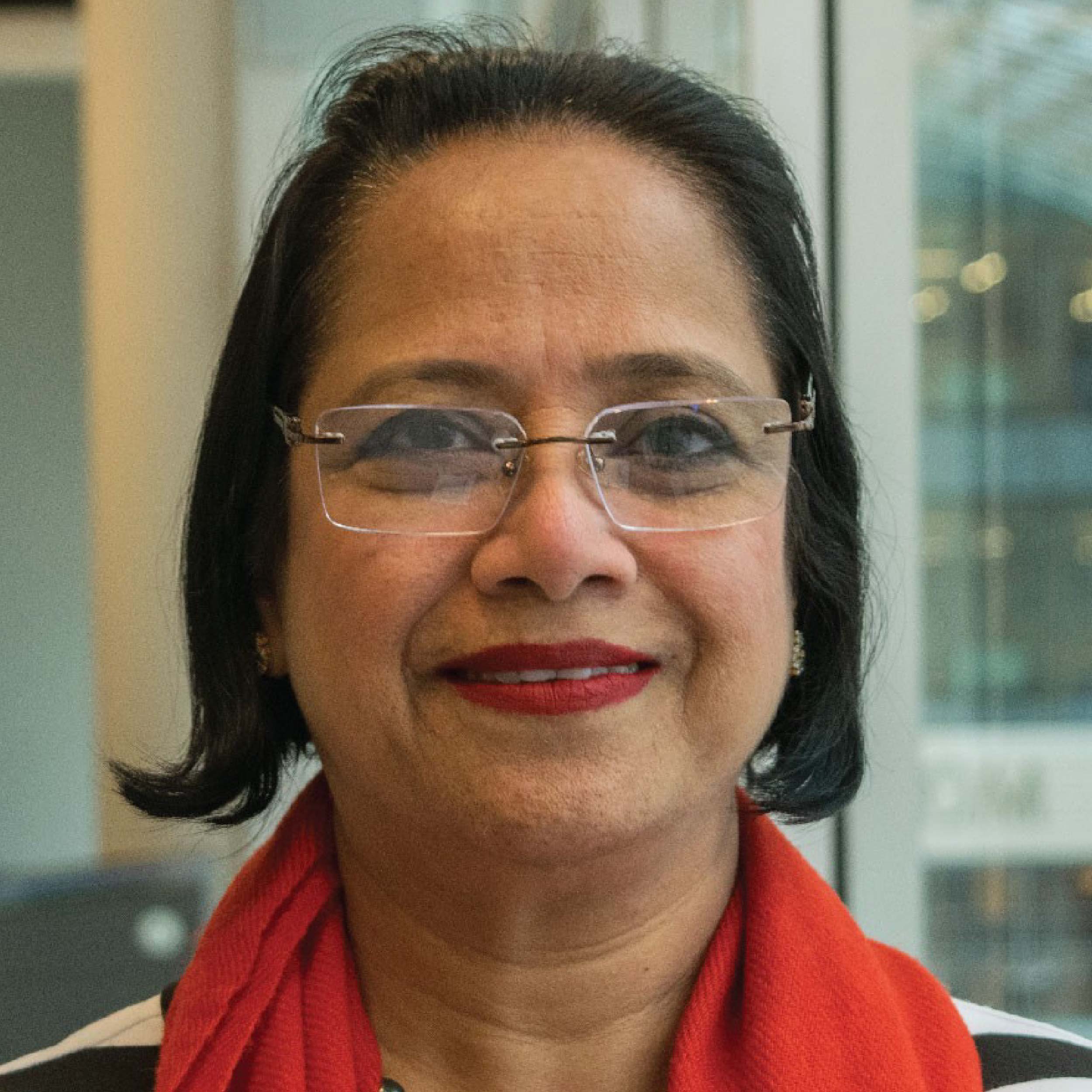
Tasneem Siddiqui is the Chairperson of Department of Political Science, University of Dhaka and the Founding Chair of the Refugee and Migratory Movements Research Unit, Bangladesh’s premier migration thinktank. She led the drafting of the National Strategy for Internal Displacement in Bangladesh 2021, The National Action Plan 2022, The Overseas Employment Policy 2006 and was a committee member drafting the Migration Act 2013. Her work on climate change and disaster related human mobility, adaptation, internal and international labour migration, and remittances, has been published in numerous national and international journals.
Her pioneering research-led advocacy has directly contributed to lifting a ban on international migration of low-skilled women from Bangladesh, a policy that has benefitted 1,135,000 women migrants since 2004. She is in the Global Editorial Board of the Oxford Journal Migration Studies and a member of the Advisory Committee of the state-led international initiative, the Platform on Disaster Displacement. In 2023 she has been elected as the South Asia Representative to the Global Board of Global Network of Civil Society Organisations for Disaster Reduction. Professor Siddiqui is also a member of Board of Trustees of Transparency International, Bangladesh. Recently she has consented to be on the advisory board of Internal Displacement Monitoring Centre.
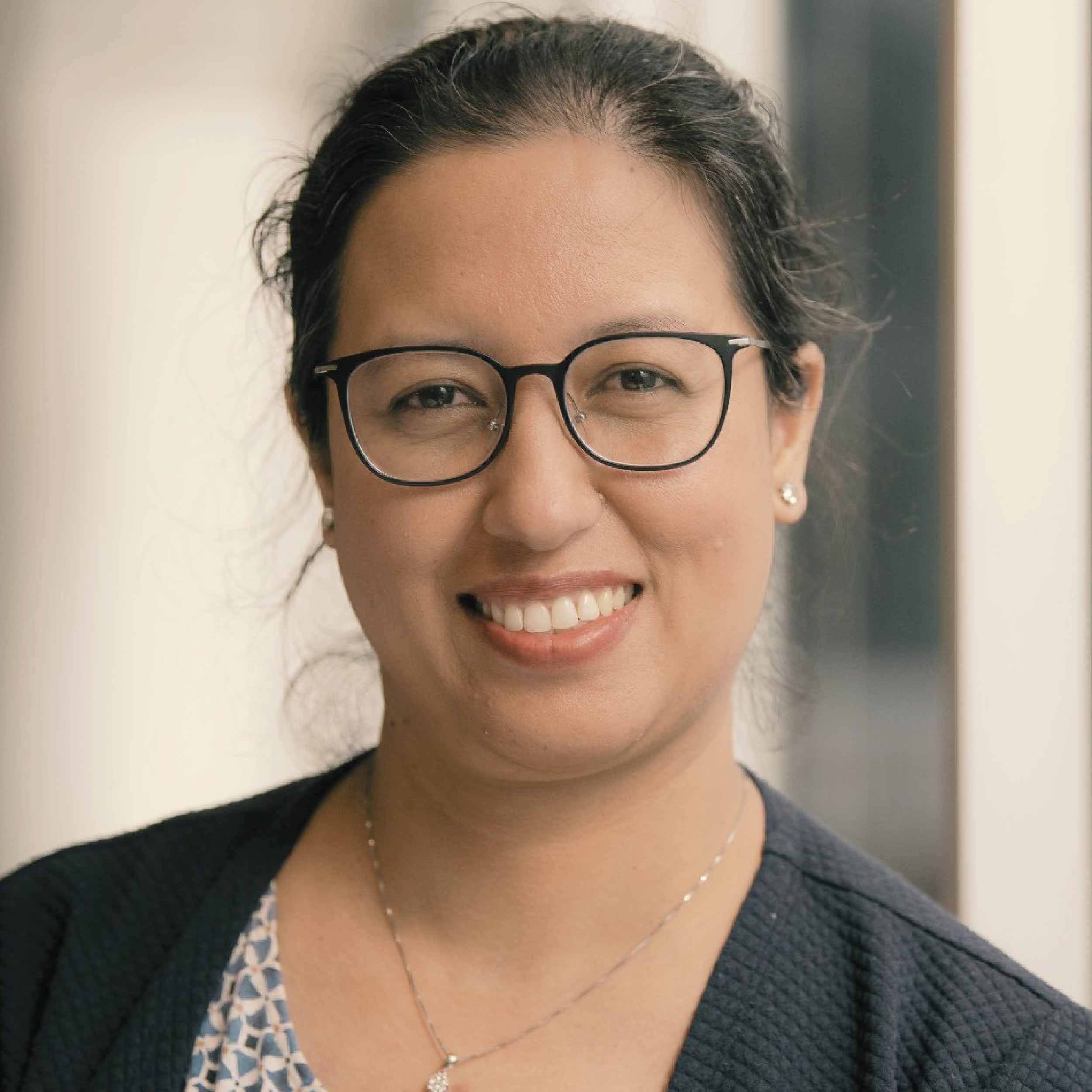
Ashika Niraula is a Senior Research Associate at the Canada Excellence Research Chair in Migration and Integration at Toronto Metropolitan University. She has over 15 years of interdisciplinary experience as a researcher and development practitioner. Her research focuses on global migration flows, migrants decision-making processes, and their experiences of integration and settlement. She explores migration drivers, labour market transitions, migrant agency, and well-being. Her work highlights challenges such as deskilling and social and legal inequalities in host countries like Canada and Denmark. Ashika is committed to bridging research, policy, and community engagement.

Melissa Kelly is a Senior Research Associate at CERC Migration, Toronto Metropolitan University. Her research takes a comparative approach to understanding how migrants and refugees experience settlement, integration and belonging in different spatial contexts. Her work has appeared in peer-reviewed journals such as the Canadian Geographer, Journal of International Migration and Integration, Population Space and Place, and Migration Letters.
Melissa is Project Director and Principal Investigator on a SSHRC-funded Partnership Development Project focused on international migration to small and mid-sized cities in Canada, Australia and New Zealand. She is leading a team of academics, NGOs and government organizations to understand the factors influencing immigrant attraction and retention in non-metropolitan communities.
Yasmeen Abu-Laban is Professor of Political Science and Canada Research Chair in the Politics of Citizenship and Human Rights at the University of Alberta, and a Fellow at the Canadian Institute for Advanced Research. She has served as President of both the Canadian Political Science Association and the Canadian Ethnic Studies Association, as well as Vice-President of the International Political Science Association. Her published research addresses themes relating to multiculturalism and anti-racism; migration policies and politics; surveillance, artificial intelligence and border control; and human rights. Recent books she has been involved in co-editing include: Human Rights and the United Nations: Paradox and Promise (Routledge 2025); Resisting the Dehumanization of Refugees (Athabasca University Press, 2024); and Multiculturalism in Global Comparative Perspective (Routledge, 2023). She is also the co-author, with Ethel Tungohan and Christina Gabriel, of Containing Diversity: Canada and the Politics of Immigration in the 21st Century (University of Toronto Press, 2023.

Henry Akanko is the Director of Hire Immigrants Ottawa (HIO), a community-wide initiative of United Way East Ontario that brings together employers and key stakeholders to address systemic barriers to the integration of skilled immigrants into the local labour force. In his role, Henry provides strategic leadership and oversees the management of HIO, guiding a team that engages employers, develops programs, and creates tools and resources to foster diverse, inclusive, and welcoming workplaces for skilled immigrants.
Before joining United Way, Henry held senior management positions with international development organizations, including the Canada-Africa Community Health Alliance, World University Service of Canada, and Catholic Relief Services.
His extensive experience in international development has shaped his commitment to advancing equitable employment opportunities by fostering economic and social inclusion through innovative programs and cross-sector collaboration.
Henry holds a Master of Arts in Collaborative International Development Studies from the University of Guelph.
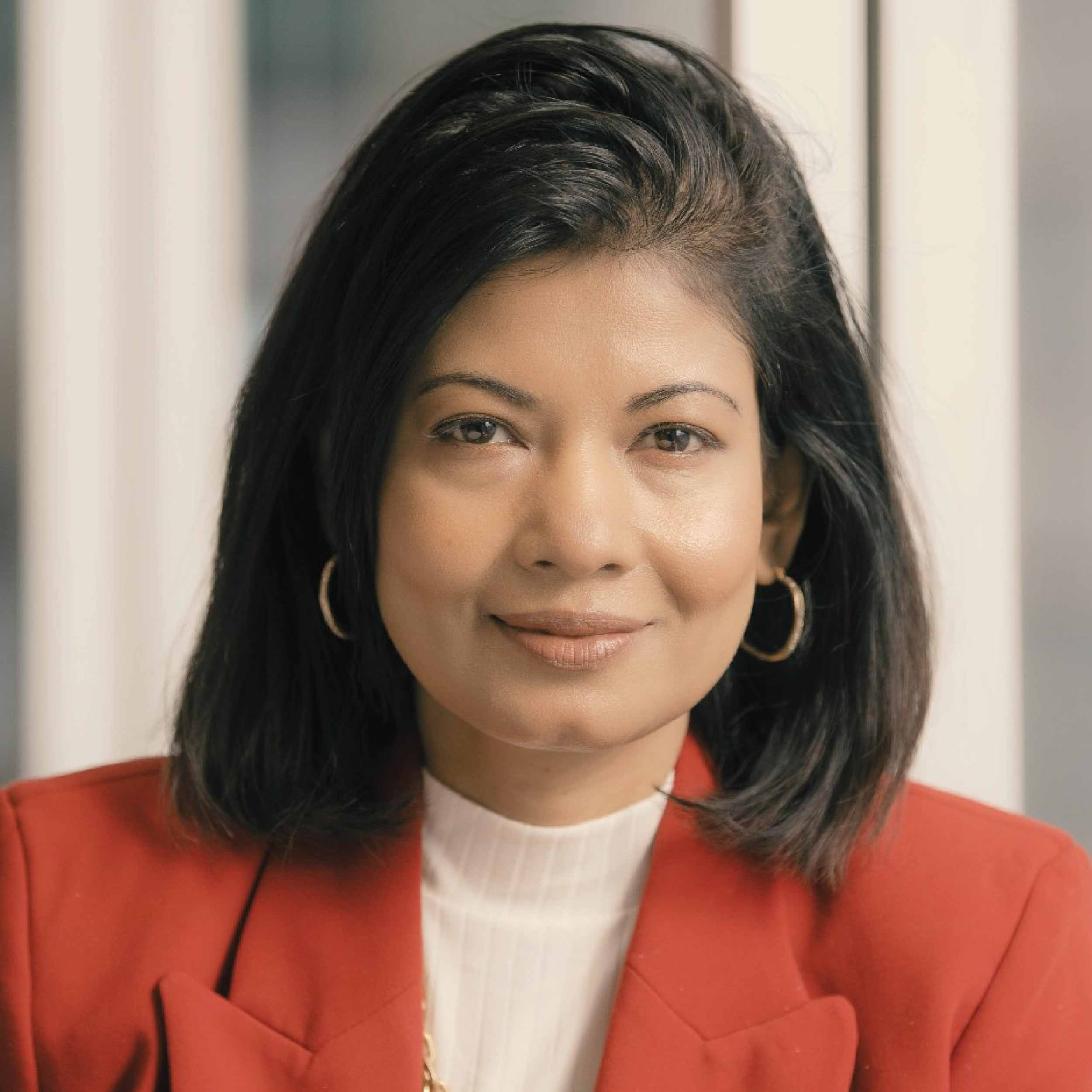
Marshia Akbar is the Director of the BMO Newcomer Workforce Integration Lab and Research Lead on Labour Migration at CERC Migration. Her interdisciplinary research bridges policy, practice, and lived experiences to address pressing issues in international migration, employment integration, and social equity.

Mireille Paquet holds the Concordia Research Chair on the Politics of Immigration at Concordia University and is the scientific director of the Équipe de recherche sur l’immigration au Québec et ailleurs (ÉRIQA). She has held fellowships at Harvard University and UC Berkeley and was the recipient of a Concordia University Research Award in Social Sciences.
In 2020, she was selected as the inaugural Scholar in Residence of the Centre of Excellence of the Canadian Federation at the Institute for Research on Public Policy (IRPP), and in 2022, she was an International Research Fellow at the Institut Convergences Migrations at the Collège de France. Mireille is directly involved in public policy, acting as a consultant and advisor for different government departments and NGOs. She maintains an active presence as a public intellectual by engaging in outreach through traditional media and by publishing articles in accessible venues in French and in English.
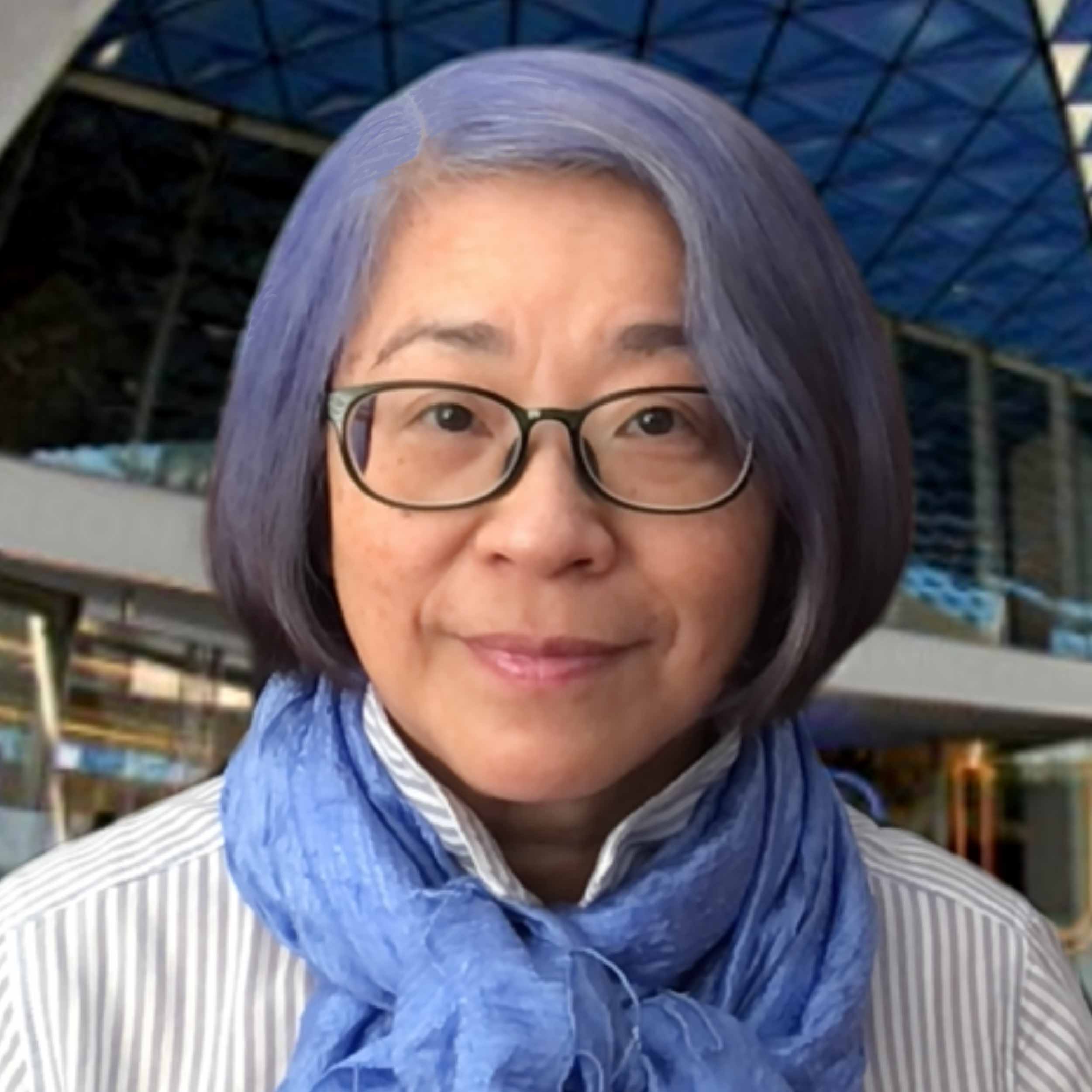
Josephine Pui-Hing Wong holds the positions of Professor and Research Chair in Urban Health at the Daphne Cockwell School of Nursing at Toronto Metropolitan University. She has extensive experience in critical public health and urban health, including the development of access and equity policies and inclusive public health practice frameworks. She is recognized for her demonstrated commitment in doing research “with” and not “for” the affected communities. She works closely with racialized, immigrant and refugee communities to co-develop innovative solutions that advance health equity.
Supported by CIHR, SSHRC, NFRF, OHTN and PHAC, her research focuses on social identities and health practices, structural determinants of mental health, and HIV/STBBI vulnerabilities in diasporic communities. She leads intervention studies on stigma reduction and collective resilience in the Asian, Black, and Latinx communities in Canada, and among university students in China. She aspires to be a comedian for social justice.
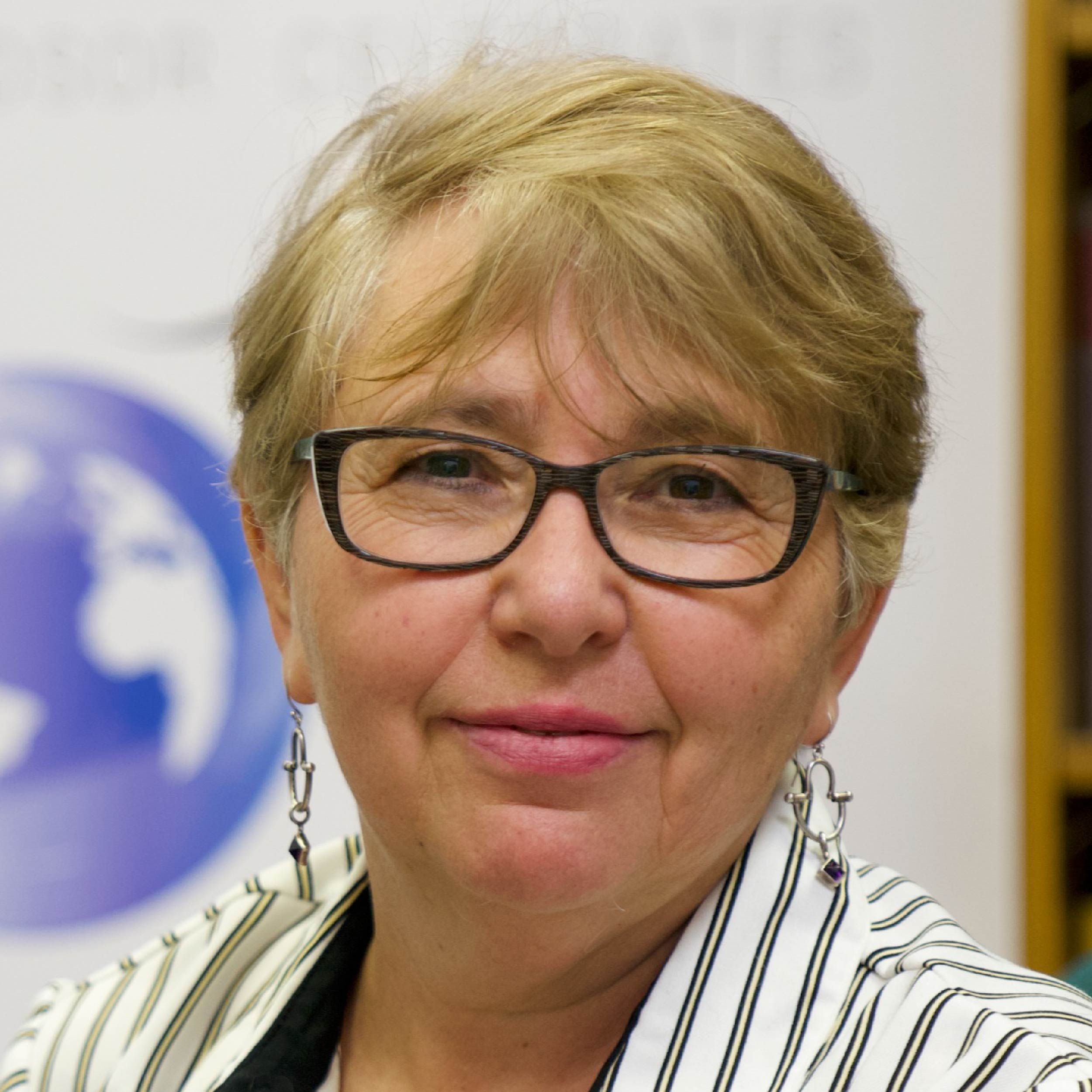
Tanya Basok is Professor in the Department of Sociology and Anthropology at the University of Windsor. Her research focuses on migrant rights and pro-migrant advocacy, including labour rights and social integration of Mexican farmworkers in Canada, the role of labour organizations and other activists in advancing the rights or temporary migrants in Canada and female migrants in South and Central America, Mexico, and the Caribbean, and Central American refugees and labour migrants in Mexico. Currently, she is conducting a SSHRC-funded project on Status Regularization Programs for Irregular Migrants in South America, Costa Rica and Mexico.

Sarah Hoyos-Hoyos is a Data Science Researcher at CERC Migration. She has a Master's degree in Spatial Analysis from Toronto Metropolitan University and joined CERC Migration to support migration researchers in conducting quantitative analysis and applying geospatial methods to migration research. Sarah’s primary work involves data modeling for the Complex Migration Flows and Multiple Drivers in a Comparative Perspective (MEMO) project. With a particular interest in climate mobilities and (im)mobilities, Sarah is looking to tackle climate change and human migration challenges through data-driven solutions.
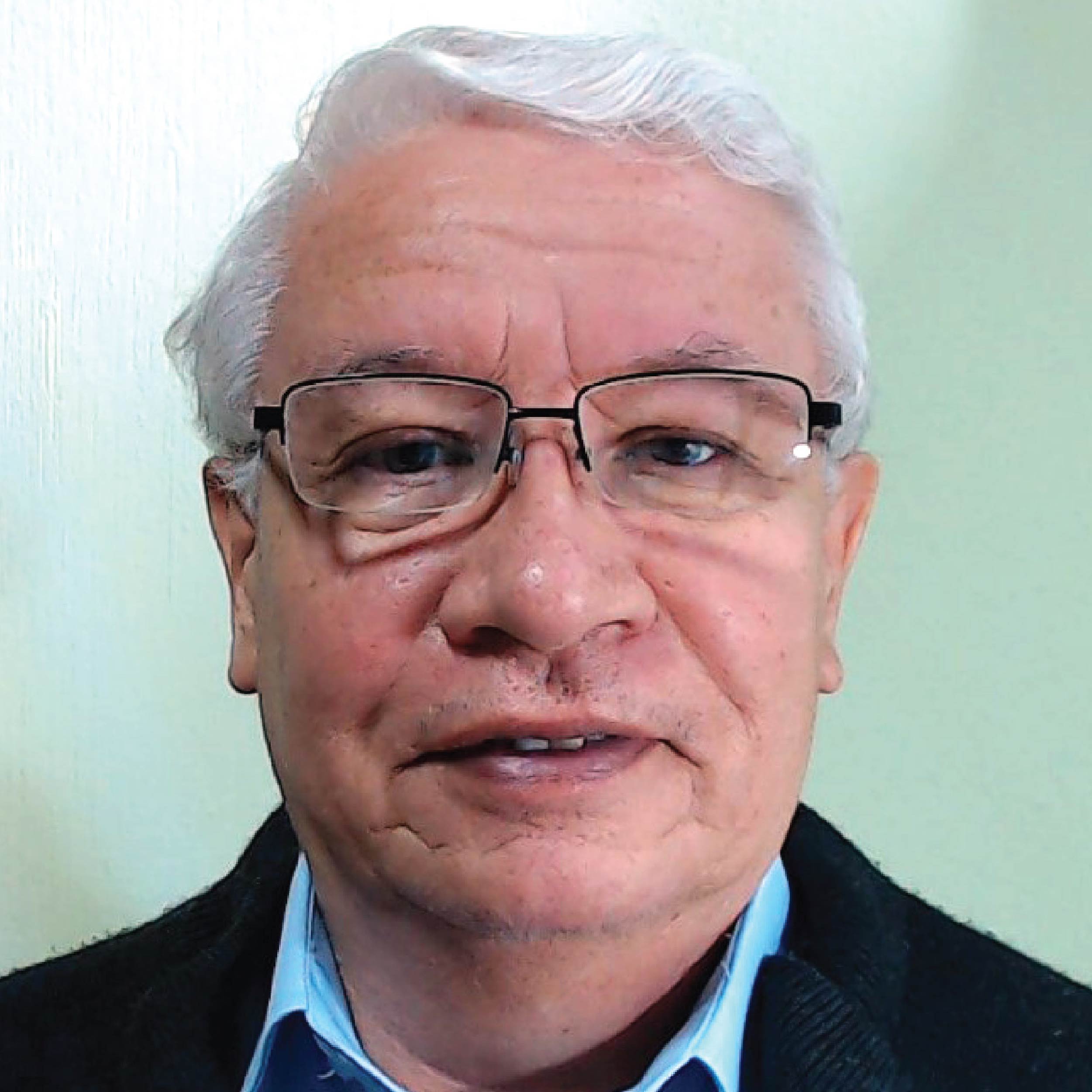
Marcel Arevalo is a professor at FLACSO in Guatemala City and is Director of the Research Centre on Poverty and Migration, where, for over 10 years, he has been conducting the largest migration survey in Guatemala, Honduras and Salvador. The research is looking at drivers of migration, transit and return flows, issues of vulnerability and related policy challenges.

Patricia Martin is a full professor of Geography at the Université de Montréal. A broadly trained political geographer, her research interests include gender, globalization and politics in Mexico. Her recent research focuses on the intersecting forms of violence that shape social worlds in Mexico. As part of this broad research agenda, she has examined the geopolitics of mobility within North America as it relates to political refugees and asylum seekers in Canada who are from Mexico and other countries in Latin America. She is the co-editor, with Sara María Lara Flores and Jorge Pantaleón, of the 2019 volume entitled Las nuevas políticas migratorias canadienses: gobernanza neoliberal y manejo de la otredad.
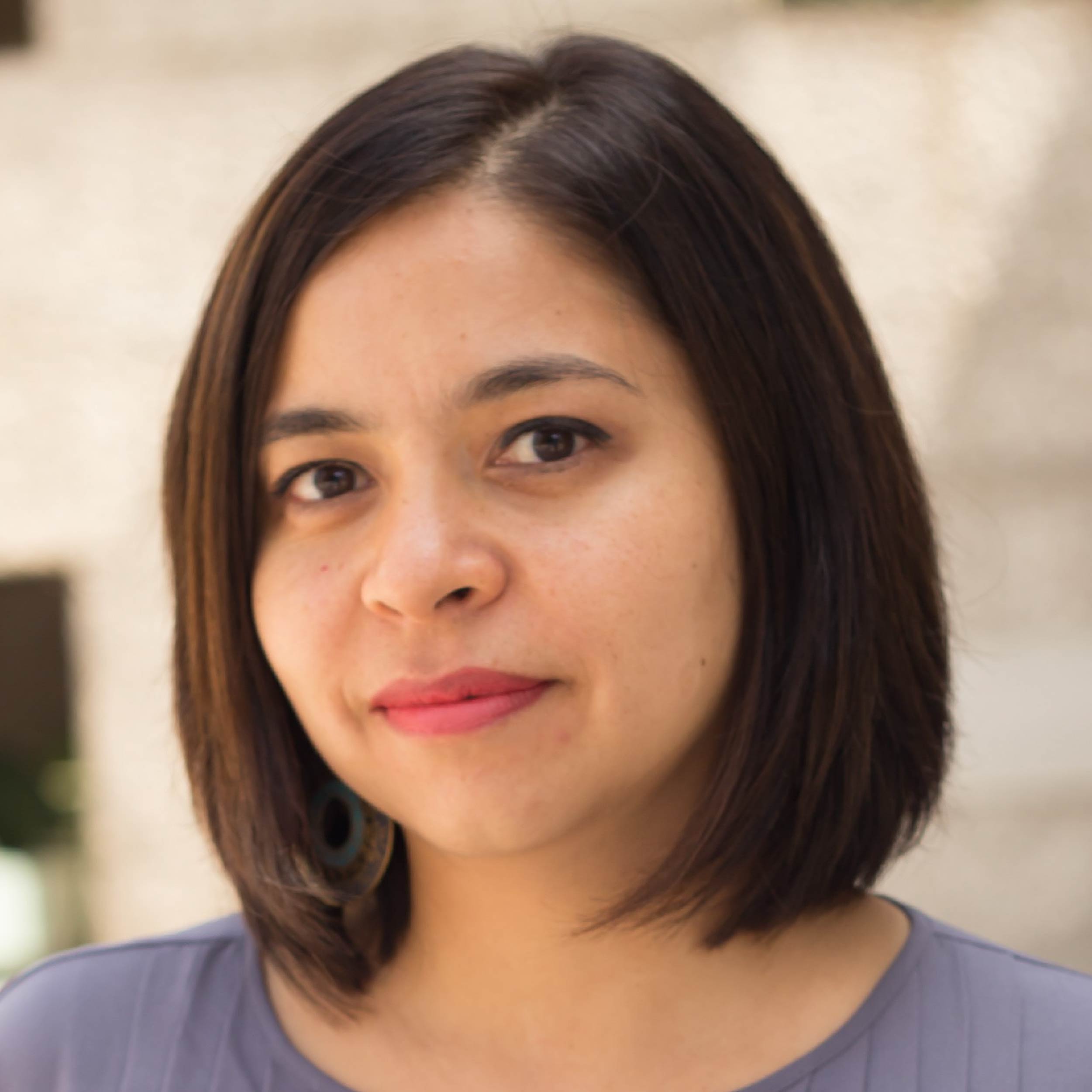
Claudia Masferrer is an Associate Professor at the Centre for Demographic, Urban, and Environmental Studies, Coordinator of the Seminar Migration, Inequality, and Public Policies, and Member of the Research Group on Demographic Dynamics at El Colegio de México. Claudia holds a PhD in Sociology from McGill University and an MSc in Statistics from the University of Texas at Austin. Her research focuses on internal and international migration, reintegration of returnees, immigrant integration, demographic dynamics, inequality, and how policy mediates these processes. She is the co-author of the book The Returned: Former U.S. Migrants’ Lives in Mexico City (Russel Sage Foundation, 2025), among other books, numerous journal articles, policy briefs, and book chapters. Within the MEMO project, she is the coordinator of the research hub of the Americas. Since 2023, she is an Associate Editor of International Migration Review.

Masoud Kianpour is a sociologist specializing in identity, emotions, mental health, and the social impact of digital technologies. He earned his PhD in sociology from Memorial University of Newfoundland in 2010 and has since held academic positions in Iran, Australia, and Canada. Currently, he is a Senior Research Fellow at the Canada Excellence Research Chair in Migration and Integration program at Toronto Metropolitan University, where he studies topics such as the role of social media in shaping cultural narratives, and the intersections of culture and mental well-being among newcomers. His research, deeply rooted in qualitative methods, examines how individuals navigate meaning and belonging in modern society.

Kiana Jenabidehkordi is the Innovation Lead at CERC Migration. Throughout her career, she has gained comprehensive experience in entrepreneurship, having worked in various roles, from founding her startup to being a Venture Coordinator with Toronto Metropolitan University's accelerators, where she supported other startups. In her current role, Kiana assists the research programs to adopt more innovation in their research, design, and launch innovative initiatives, and she collaborates with AI Lab to develop digital tools that are tailored to customer needs and guide them in crafting effective market strategies.

Ana Beduschi is a Full Professor of Law with a Personal Chair at the University of Exeter. She is currently the Co-Director of Research and Impact at the Law School. She is also currently serving as the Strategic Lead on Fair and Inclusive Society at the Institute for Data Science and Artificial Intelligence (IDSAI). Her research and teaching focus on human rights law, technology, data protection, and international migration law. Recent publications address regulatory approaches to digital technologies, privacy implications of AI and synthetic data, and AI in international migration management. Professor Beduschi earned a PhD in Public Law from the University of Montpellier 1, France (2011), along with an LLB in Law and two LLM degrees in International and European Law. She also holds an LLB in Law from the University of the State of São Paulo (2000) and was admitted to the Bar in São Paulo, Brazil, in 2001.
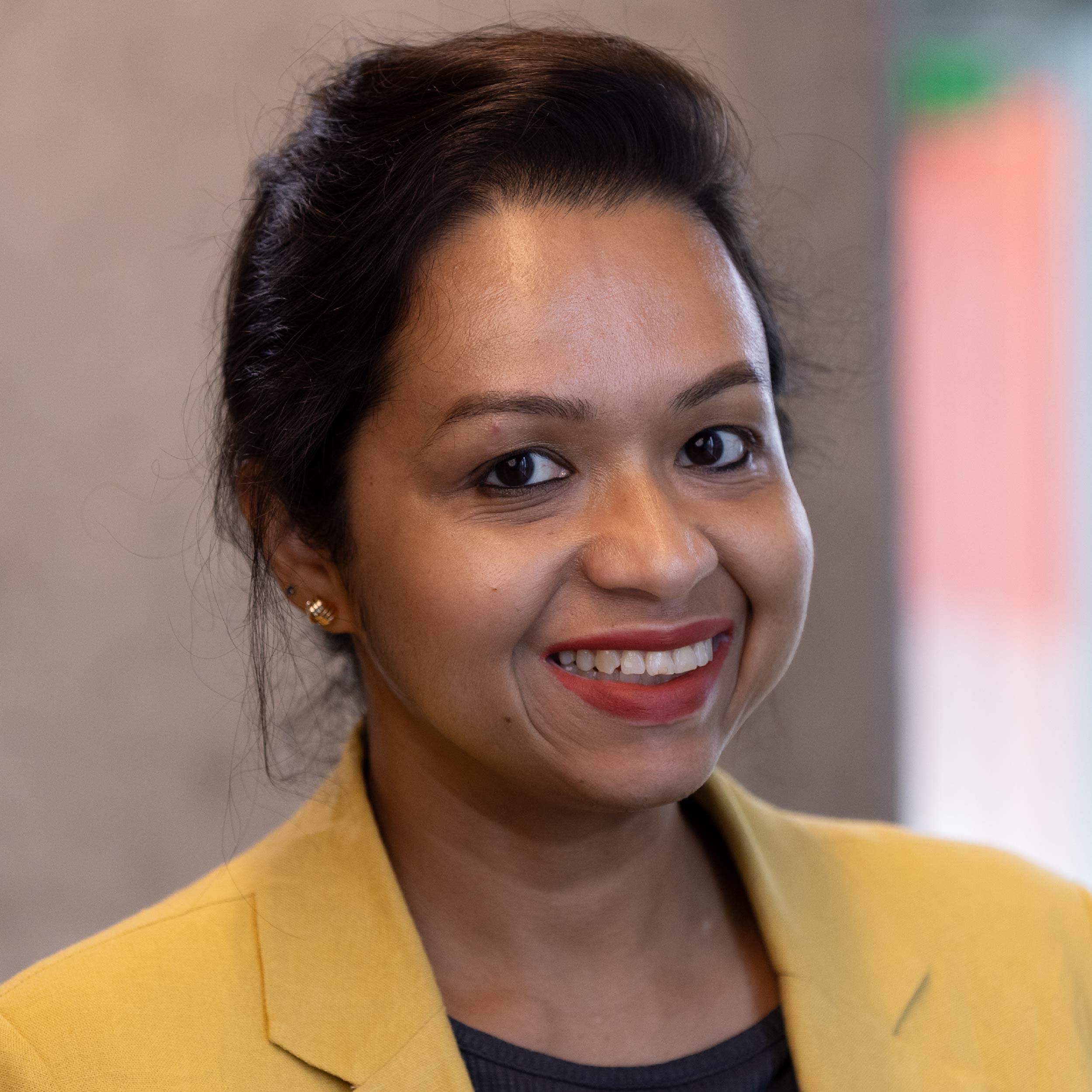
Munmun De Choudhury is the J.Z. Liang Associate Professor at Georgia Tech’s School of Interactive Computing and Co-Lead of Patient-Centered Care Delivery at the Pediatric Technology Center. A pioneer in computational social science and digital mental health, her work advances early detection and intervention strategies using social media data. Widely recognized with honors including the SIGCHI Societal Impact Award and induction into the SIGCHI Academy, Dr. De Choudhury also contributes to policy efforts. She has advised global institutions like the U.S. Surgeon General’s Office, White House OSTP, and WHO on mental health and the impact of technology on social connection.
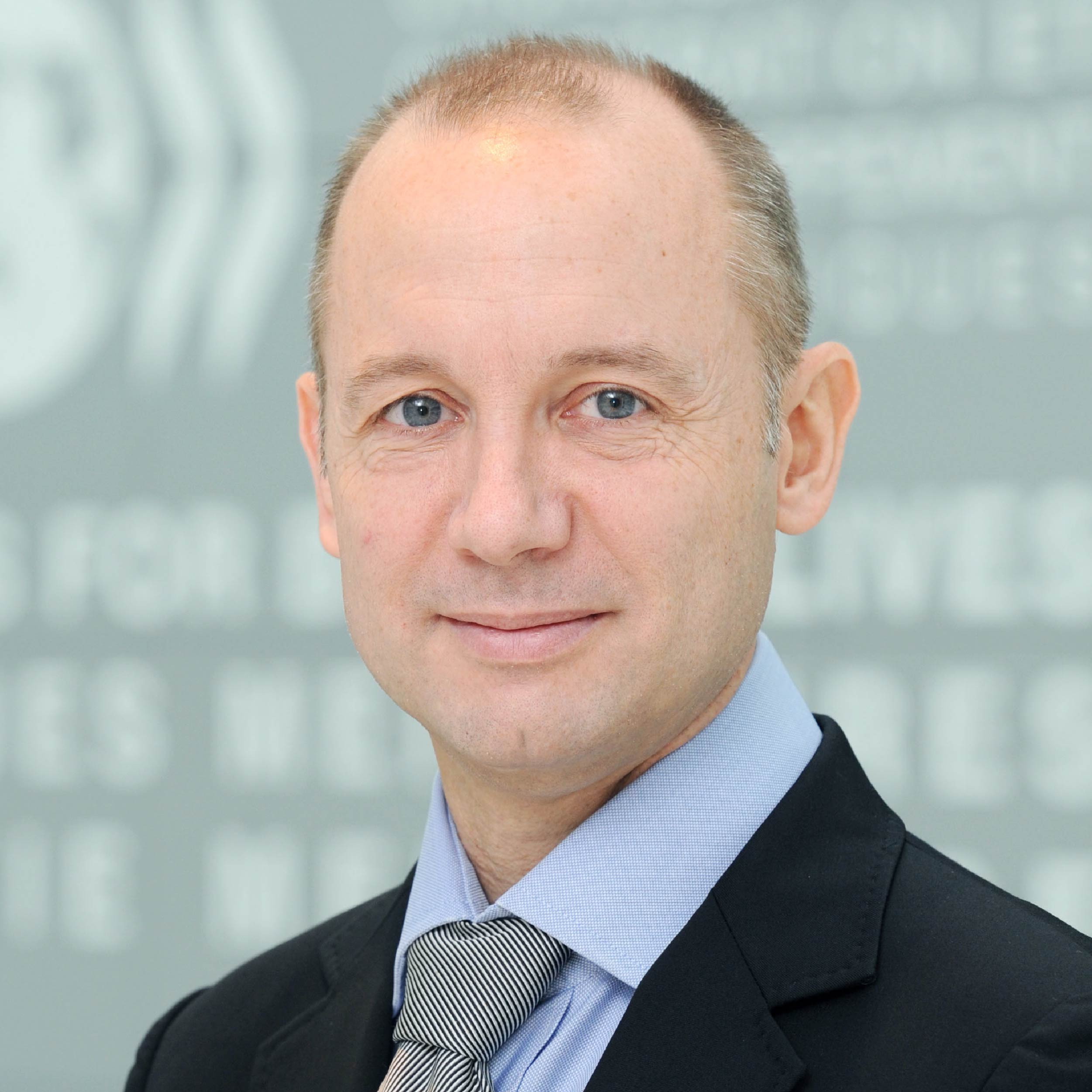
Jean-Christophe Dumont has been the Head of the International Migration Division in the Directorate for Employment, Labour and Social Affairs, OECD since 2011. He joined the OECD Secretariat in 2000 to work on international migration issues. He oversees the OECD annual flagship publication on migration; International Migration Outlook and numerous publications on the economic impact of international migration, as well as on migration management and the labour market integration of immigrants and their children in OECD countries. He has also worked on migration and development issues and on the international mobility of health workers. He holds a PhD in development economics from the University Paris IX-Dauphine and was a research fellow at Laval University, Quebec, Canada.
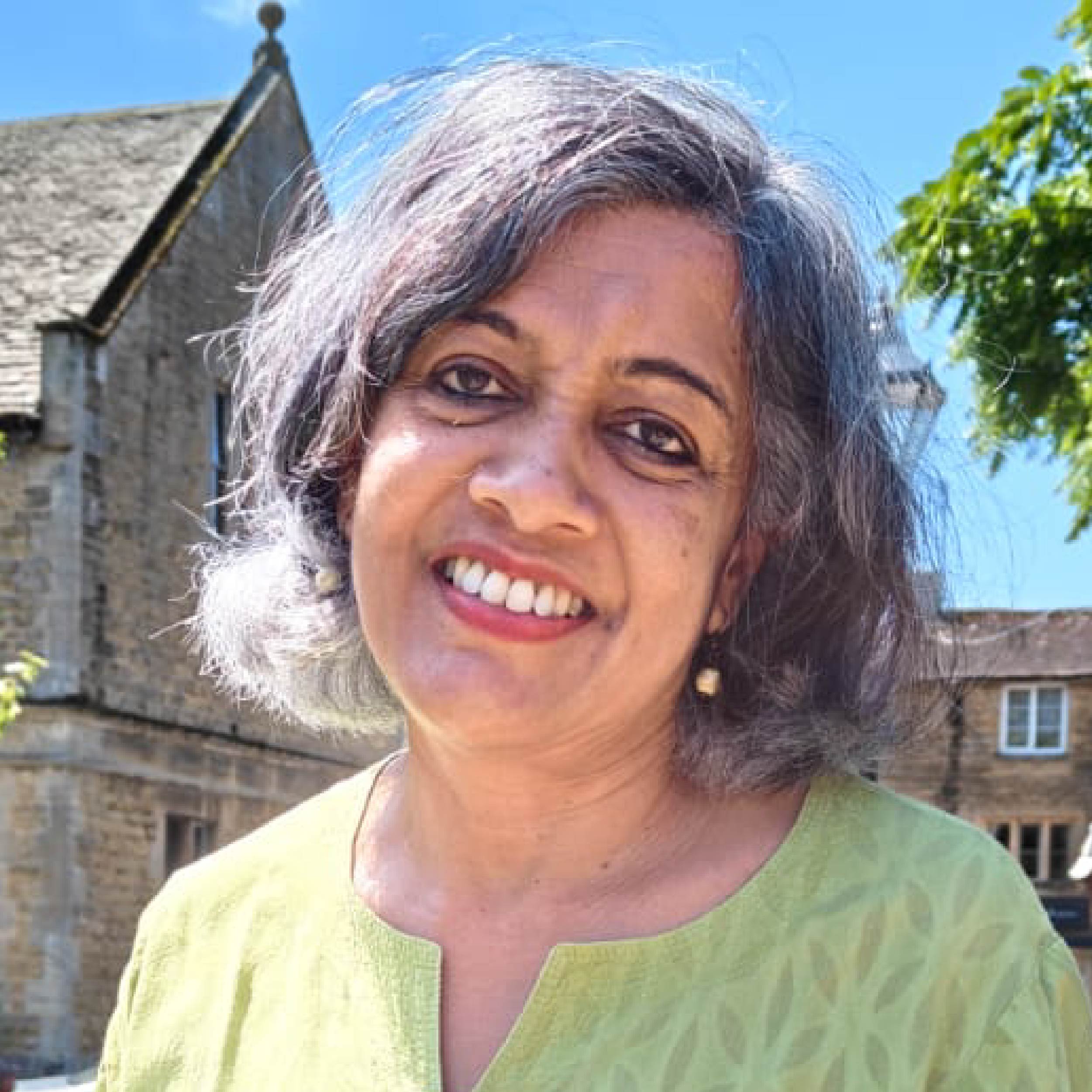
Parvati Raghuram is a Professor of Geography and Migration at the Open University. She has long held an interest in the interconnections between the mobility of goods, people and ideas and how these result in the creation of migration categories. She is a postcolonial scholar who has focused on the histories of category making, such as how skills, care, education and social reproduction are produced through power dynamics and what this means for migrants in these sectors. Her empirical research has particularly focused on migrant Indian women in male dominated sectors such as the IT sector. Her most recent project is Building Equitable African Partnerships which cements her interest in decolonial and postcolonial methods.
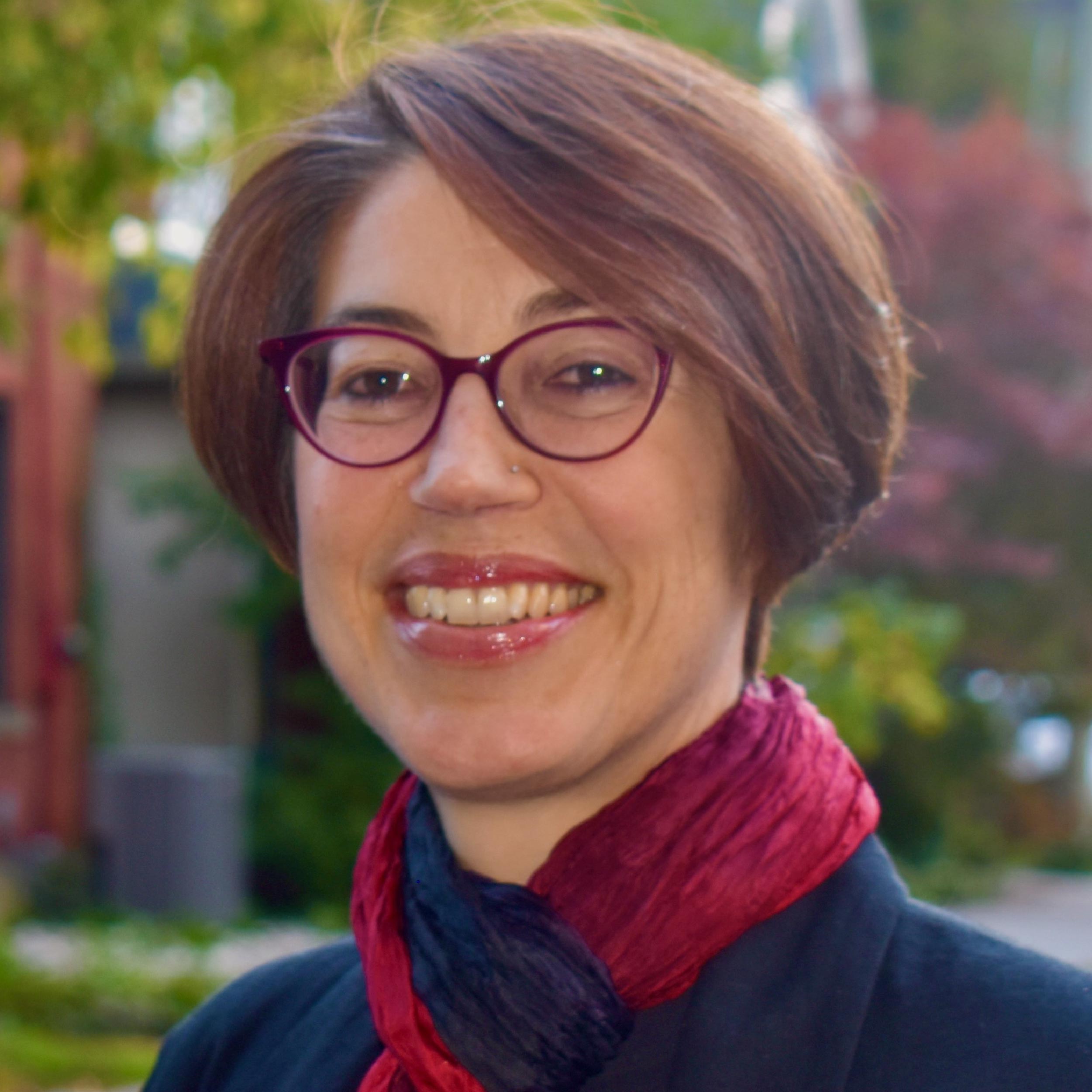
Luisa Veronis is Full professor in the Department of Geography, Environment and Geomatics and holds the research chair in Immigration and Franco-Ontarian Communities at the University of Ottawa, Canada. Her research focus is on the social and political geographies of immigration, settlement, and integration, with an interest in Francophone immigration in minority contexts. She has extensive experience with collaborative and mixed methodologies as well as comparative research. She currently is the co-director of the SSHRC-funded Partnership “Complex migration flows and multiple drivers in comparative perspective (MEMO).” She received the 2025 Metropolis Award of Excellence in research for her contributions to the field of immigration and settlement in Canada.

Younes Ahouga’s research and publications focus on migration governance policies at the global, regional and local levels. Younes holds a PhD from the Department of Political Science and International Relations at the University of Geneva. His doctoral dissertation analyzes the evolution of the migration management discourses and practices of the International Organization for Migration between 2000 and 2018. From 2014 to 2019, he was a teaching assistant at the Global Studies Institute of the University of Geneva and, from 2014 to 2017, Younes was a research assistant for a project on the discourse of resilience to environmental change in international organizations.
As co-head of the Swiss Forum on Foreign Policy’s Migration Program through 2019 and 2020, Younes has also organized policy events and engaged with a variety of civil society organizations. Working with policy practitioners to assess the Global Compact for Migration’s implementation, follow-up and review phases, Younes is examining the discourses and practices of the United Nations Network on Migration. This research will advance knowledge on the challenges faced by international organizations in addressing complex migration governance processes.
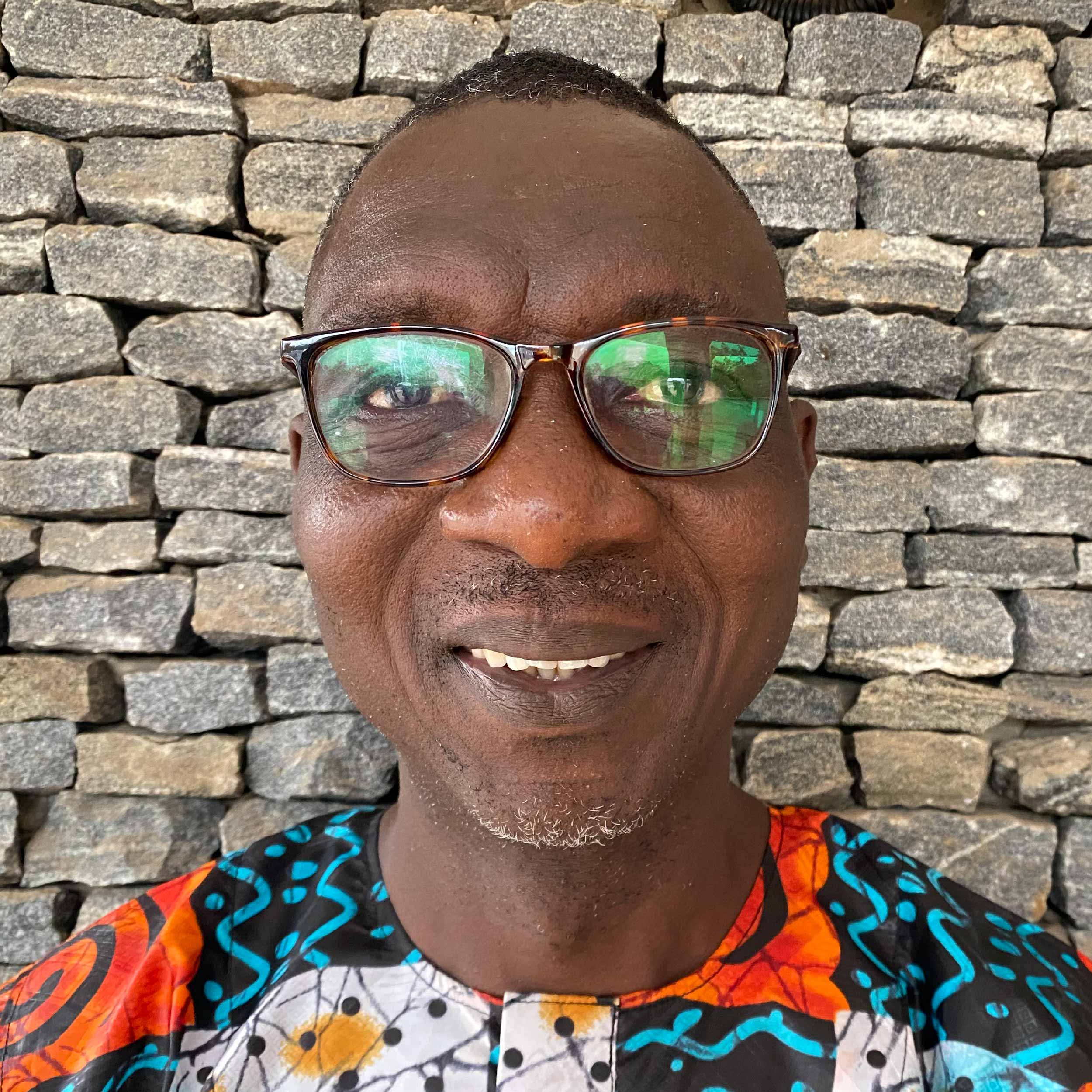
Olayinka Akanle is a Professor of Sociology in the Department of Sociology, Faculty of The Social Sciences, University of Ibadan, Nigeria, Senior Research Associate in the Department of Sociology, Faculty of Humanities, University of Johannesburg, South Africa, Research Associate, Nigerian Institute of Social and Economic Research (NISER). He is a recipient of Folke Bernadotte Academy, Swedish Agency for Peace, Security and Development, Sweden’s Certificate of Achievement. He has won scholarly and practice awards including: World Social Science Fellowship (WSSF) of The International Social Science Council (ISSC), Paris, France; African Science Leadership Programme/Nigerian-Science Leadership Programme Fellowship, South Africa/Nigeria; The Council for the Development of Social Science Research in Africa (CODESRIA), Dakar, Senegal laureateship, and the University of Ibadan, Nigeria Postgraduate School Prize for scholarly publications. He was a Postdoctoral Fellow at the South African Research Chair Initiative (SARChI) in Social Policy, College of Graduate Studies, University of South Africa (UNISA), South Africa. He is an analytically ingenious sociologist with intersectional research interests covering clusters of: International Migration and Diaspora Studies, Governance and environment; Epistemology and knowledge production; Gender, Family and Sexuality. He is a widely published intellectual, authour, editor and co-editor of books.

Doudou Dieye Gyeye est sociologue, enseignant-chercheur à l’Université Assane Seck de Ziguinchor au Sénégal. L’essentiel de ses travaux porte sur les questions migratoires et les situations des déplacés et réfugiés du conflit en Casamance. Avec l’Université de Sussex en Angleterre, à travers le programme «Migrating Out of Poverty» (MOOP), il a exploré en profondeur l’Industrie de la Migration à partir du Sénégal et les zones de transit des migrants depuis la Casamance vers l’Europe du sud. Il a aussi participé au programme de recherche international dénommé «Swiss Network International Studies» (SNIS) qui porte sur le Genre, Retour et Réintégration des Migrants en Gambie, Guinée-Conakry et au Sénégal ». Il est chercheur associé pour le programme MEMO avec l’Université de Toronto au Canada.
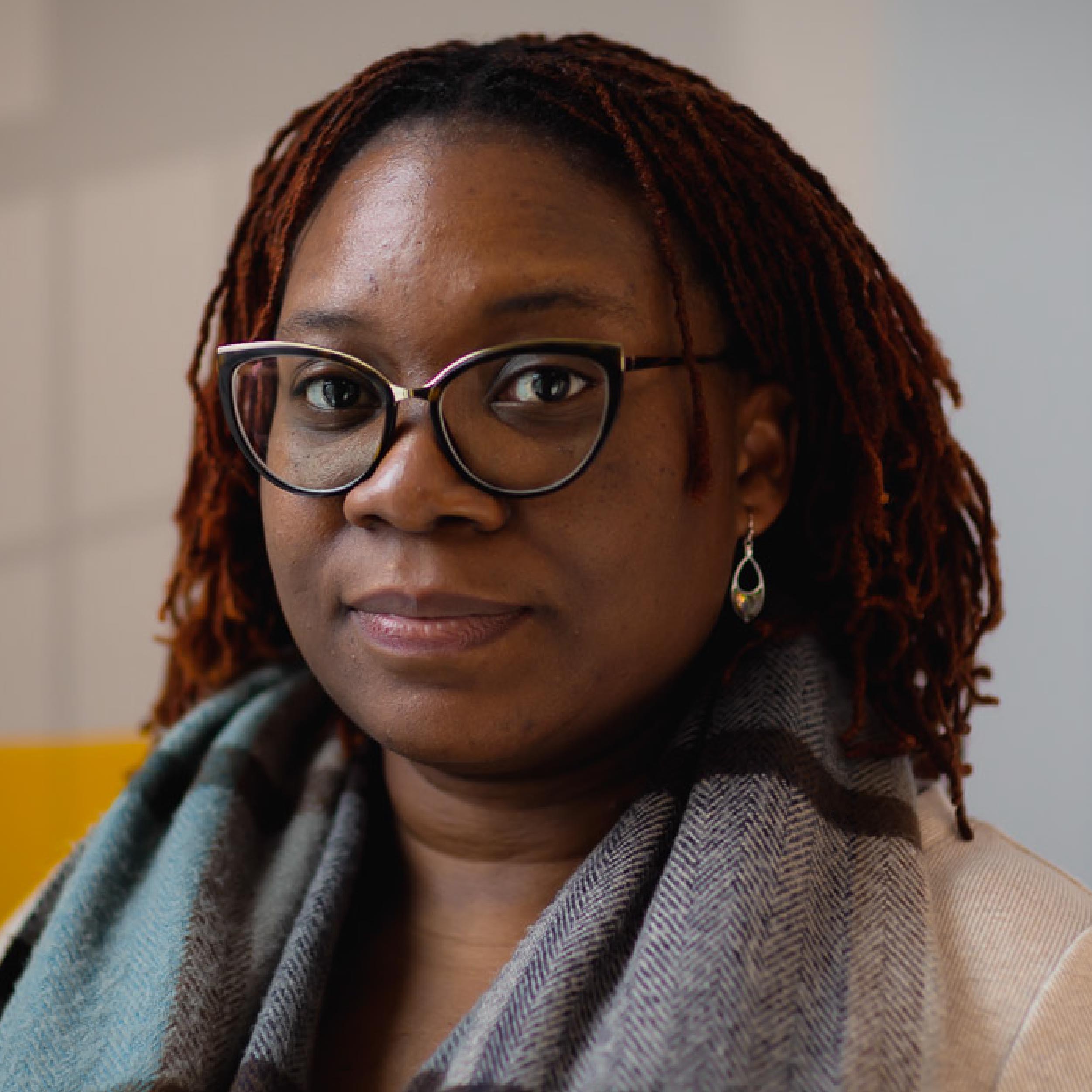
Oreva Olakpe is a Senior Research Fellow at Toronto Metropolitan University's CERC in Migration and Integration program. She has a PhD in Law from the School of Oriental and African Studies (SOAS) at the University of London. Her research focuses on how individuals and communities from the Global South without legal status experience the impact of international law in their daily lives and the informal structures they create to address social and legal exclusion and inequalities. At CERC Migration, she has led three research projects studying Sino-African migrations (including an alternative data hub), cross-border migration within West Africa, and migration partnerships between the EU and Nigeria.
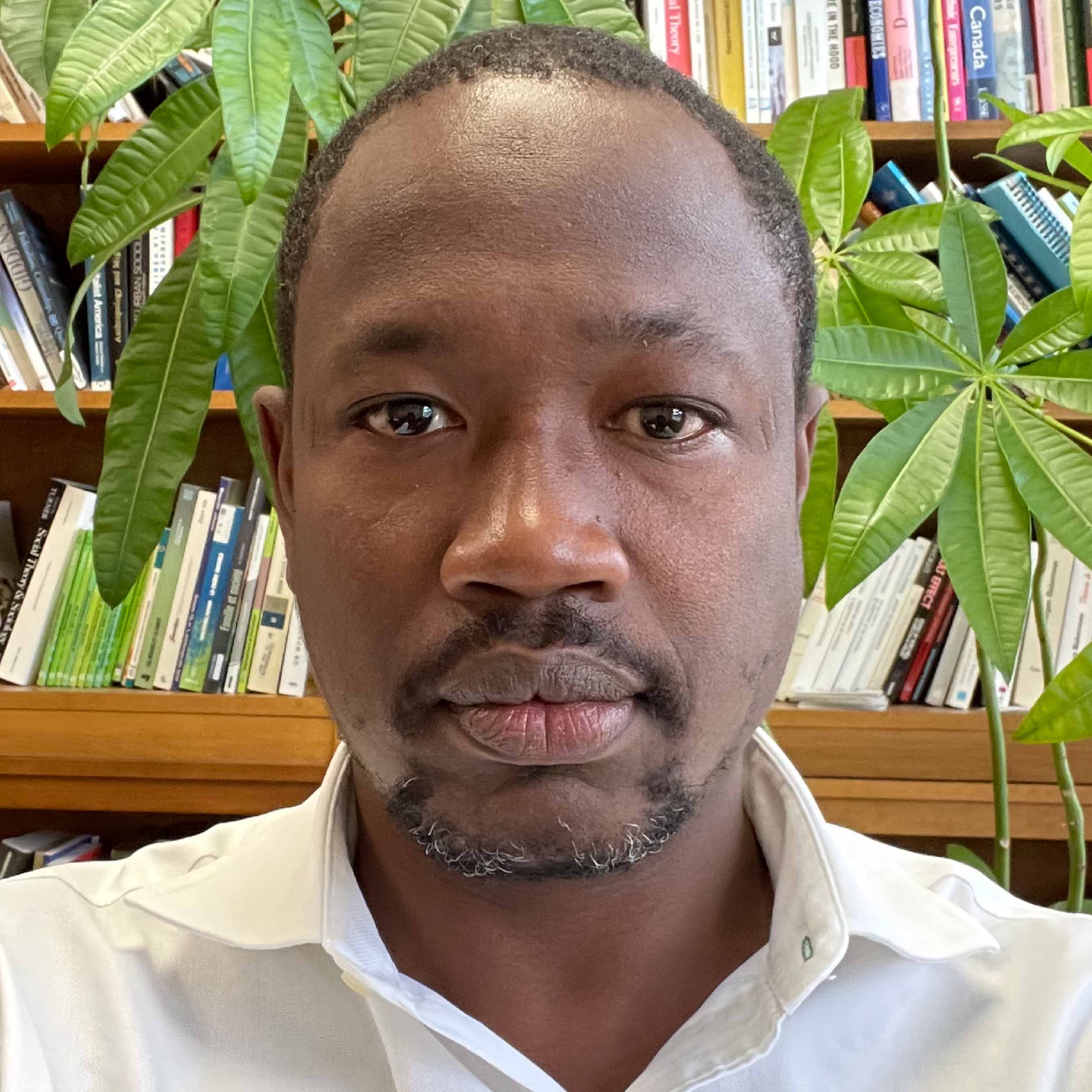
Leyla Sall est professeur de sociologie à l’Université de Moncton. Ses recherches portent sur le système migratoire ouest-africain et sur les dynamiques migratoires au sein des francophonies minoritaires canadiennes. Il s’intéresse particulièrement à la question de l’intégration des immigrants francophones appartenant à des minorités visibles et aux enjeux de l’équité-diversité-inclusion.
Il a publié plus d’une vingtaine d’articles et de chapitres de livre arbitrés sur les entrepreneurs immigrants, les travailleurs étrangers temporaires dans l’industrie de transformation des fruits de mer, l’intégration symbolique des immigrants noirs en Acadie et sur la cohésion sociale dans les francophonies minoritaires canadiennes devenues communautés d’accueil d’immigrants. En 2021, Il a publié un livre intitulé L’Acadie du Nouveau-Brunswick et « ces » immigrants francophones : entre incomplétude institutionnelle et accueil symbolique aux Presses de l’Université Laval. En 2022, Ce livre a remporté le prix d’excellence en sociologie de langue française de la Société canadienne de Sociologie.
Thomas Yeboah currently serves as a Research Fellow with the Bureau of Integrated Rural Development (BIRD), Kwame Nkrumah University of Science and Technology. He is an associate of the Centre for Migration Studies, and a fellow of Merrian Institute for Advanced Studies in Africa (MIASA), at the University of Ghana. He holds a PhD in Development Studies from the University of Cambridge, UK and has nearly a decade of experience working on issues around international development, labour migration, migration governance, and migration policies, free movement, and social protection for vulnerable migrants in West Africa.
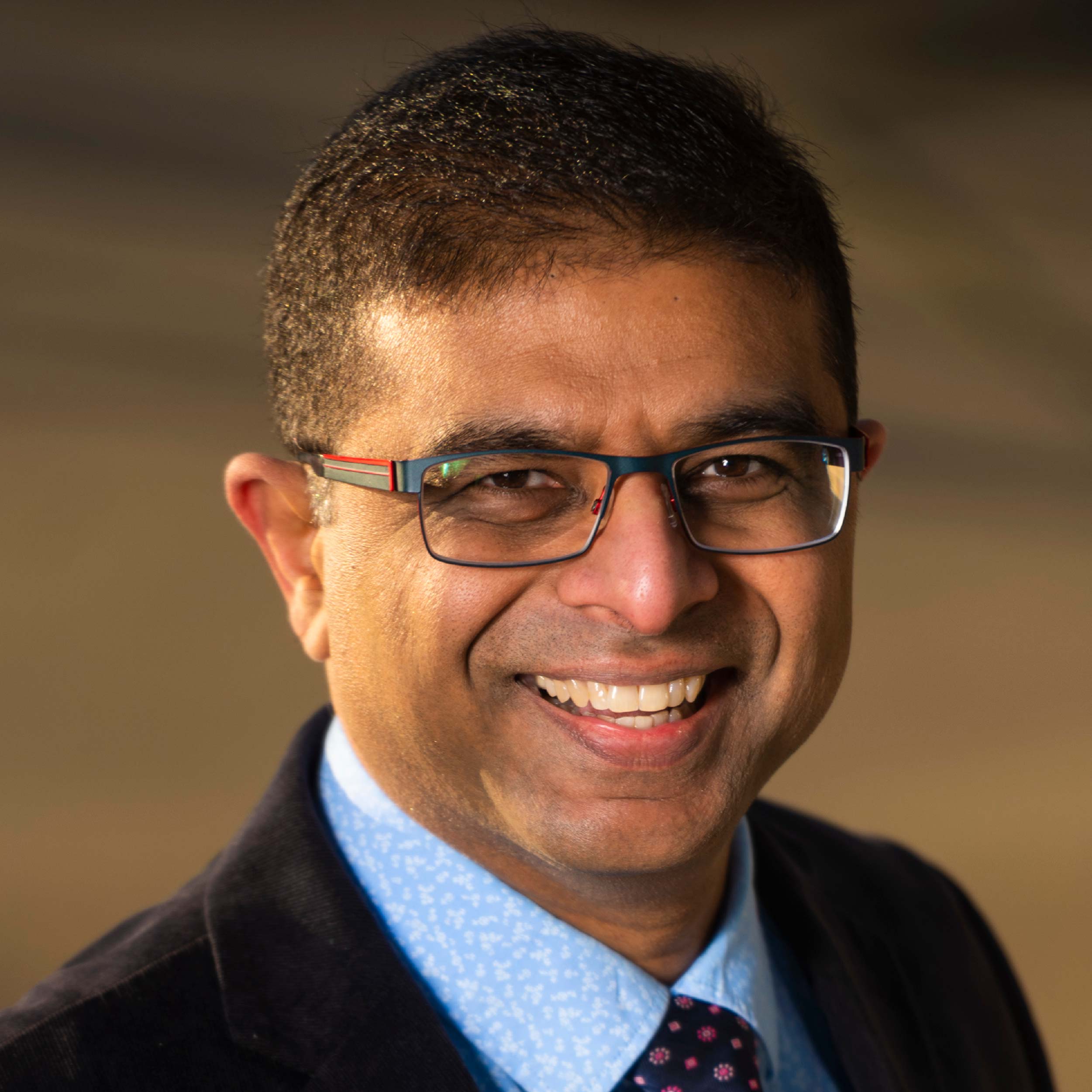
Sandeep Agrawal is a Professor and Associate Dean at the Faculty of Graduate and Postdoctoral Studies at the University of Alberta. From 2013 to 2023, he served as the Associate Chair of the Department of Earth and Atmospheric Sciences and was the inaugural director of the School of Urban and Regional Planning. Dr. Agrawal’s research interests are diverse, spanning sustainable urban and rural planning, migration, energy transitions, Indigenous issues, and human rights. Among several national and international grants he has received, the most recent ones are $98.6M CFREF and $7M NSF/NSERC/SSHRC, in which he is the project lead from the University of Alberta. An accomplished author of over one hundred articles, professional reports, and three books, Dr. Agrawal has significantly influenced planning practices, city bylaws, and legislation through a focus on human and Indigenous rights, equity, and justice. He has also received the Canadian Institute of Planners’ national academic award for his substantial contributions to planning education and research in Canada.

Monica Gagnon researches the ways in which discourses of citizenship and belonging influence bordering in immigration and health policy and practice. Her work sits at the intersection of immigration and health care, focusing on Canada and the United States. In her recently completed doctoral dissertation Monica analyzed the discourse of “birth tourism” and its implications for access to health coverage for newborns in Ontario. Monica holds a PhD in public health from the University of Toronto and a MPH in health policy from the City University of New York.

Aniseh Bro is an interdisciplinary scholar who studies the behavioral drivers behind individuals' adaptation to climate change, focusing on the complex social and ecological dynamics that influence these processes. She is an assistant professor in the Department of Sustainable Development at Appalachian State University in North Carolina, and her research spans diverse global contexts. Her current research focuses on understanding the experiences of migrants and the factors that shape their migration trajectories.
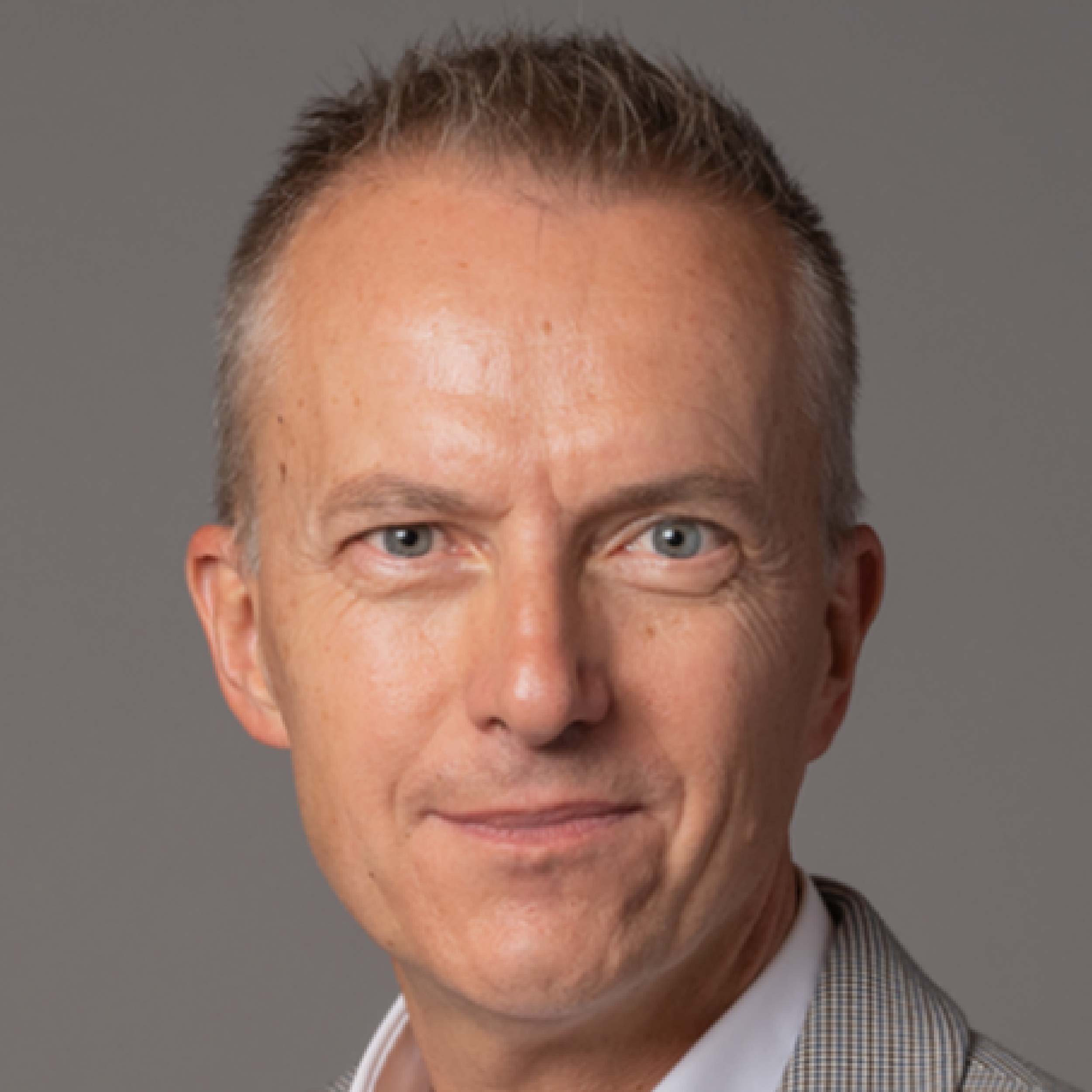
Etienne Piguet is Professor at the Institute of geography of the University of Neuchâtel (Switzerland). He has written extensively on issues of migration flows, refugees, labour market integration, discrimination, statelessness, etc. He is currently involved in research projects on climate change perception and tipping points related to population displacements mainly in Western Africa.
Mary Boatemaa Setrana is an Associate Professor and Director of the Centre for Migration Studies, University of Ghana, and IDRC Forced Displacement Chair for West Africa. She is an advisory board member of the ARUA Centre of Excellence on Migration & Mobility and the Centre for Forced Migration at Boston University. She currently serves as the Programme and Innovation Officer for the IASFM Conference Committee and is a member of the CODESRIA Scientific Committee. She co-chaired the College of Humanities Day of Scientific Renaissance of Africa (2023-2024) and has participated in the College of Humanities Annual Conference since 2022. She is a core partner in ARUA projects funded by the Mastercard Foundation and leads the African Hub's South-South Migration Network. Her research spans social inclusion, migration, and development studies. She is a member of the editorial board of the African Studies Review (ASR). She is a consultant to UN agencies such as the International Organisation for Migration, the International Labour Organisation, the UN Economic Commission for Africa (UNECA), and other international development organizations such as the Deutsche Gesellschaft für Internationale Zusammenarbeit (GIZ) GmbH and the Carnegie Corporation of New York. She is currently leading the evaluation of the Migration Policy Framework for African Union member states. She has facilitated migration and other sectoral (labour and diaspora) policymaking in Botswana, Zimbabwe, Zambia, Malawi, and Ghana.