Global Migration Institute Statement on Bill C-12
When Maryam Eskarani travelled from Tehran to Toronto in 2022 to visit her brother and his family, she came as a tourist. She spent three incredible weeks exploring the city and all it has to offer before returning home with a suitcase packed with souvenirs for her friends and family.
Today, in 2026, conflict has erupted in Iran. State violence is escalating. Maryam’s safety is no longer guaranteed. Her family urges her to return to Canada and seek asylum. But under Bill C-12, her claim would be blocked — not because she is safe, but because she once entered Canada before conditions in her country deteriorated.
This is not hypothetical. This is what asylum seekers will face now that Bill C-12, the so-called Strengthening Canada’s Immigration System and Borders Act, has become law. This is why we are deeply concerned.
The bill, which has now passed, is framed as a measure to strengthen borders and improve efficiency. In reality, it narrows access to protection and risks placing thousands of refugees and displaced people in danger. It will not meaningfully reduce backlogs. It will not strengthen Canada’s asylum system. It will simply make protection harder to access.
The retroactive one-year deadline for initiating asylum applications, currently intended to impact approximately 19,000 asylum claims, as well as the removal of the 14-day rule for asylum claims after entry penalize individuals whose circumstances shift after arrival and those who had no safe pathway other than irregular entry. They strip protection from the most vulnerable, such as LGBTQ+ individuals, unaccompanied minors, people fleeing gender-based violence, and racialized migrants, many of whom could be barred from seeking asylum and face greater risk of removals. According to Amnesty International Canada, “these changes would strip away vital protections and could lead Canada to break its commitments under international human rights law.”
Those deemed ineligible would be diverted to a Pre-Removal Risk Assessment (PRRA), which has three major issues. It does not allow for an applicant to explain their circumstances in an oral refugee determination hearing – an oral hearing is a very important aspect of the asylum procedure. It would increase the number of people detained, as individuals who cannot be removed from Canada (such as to countries like Haiti) could be placed in indefinite detention. Lastly, those with exceptions would still face situations of long-term limbo. Additionally, some have been waiting more than 2 years for a PRRA decision, calling into question the claim that channeling individuals into PRRAs improves efficiency.
Bill C-12 also grants the immigration minister sweeping authority to cancel, suspend, or stop asylum claims before they are heard by removing statutory limitations. These cases will be determined based on “public interest,” which they do not define. Such discretionary power sets a dangerous precedent that undermines due process. People with precarious status already face heightened anxiety of deportation risks; this would intensify amidst the threat of mass cancellations. We need only look south of the border to see how expanded immigrant enforcement authority can lead to mass detention and removals with limited oversight.
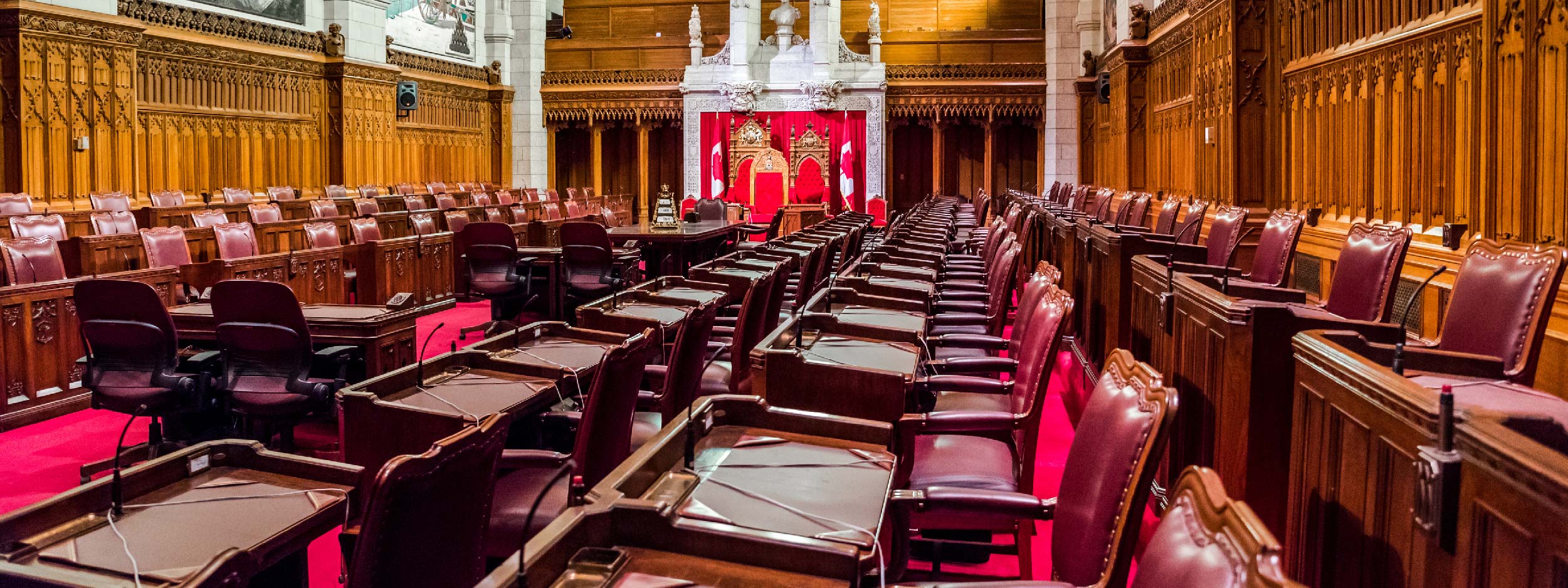
In late February, we convened an emergency panel on Bill C-12 to analyse the bill as its review was being expedited in the Senate. The discussion brought together leading scholars, legal experts, and senators to examine what this legislation could mean for refugee protection in Canada. The message was loud and clear: the proposed changes raise serious concerns about access to asylum and due process, as well as violation of our legal and humanitarian commitments. We also signed on to an open letter to Prime Minister Mark Carney (external link) warning of the dangerous consequences if this bill should pass, to no avail. On March 9th, migrant rights organizations, migrant-serving organizations, and migration scholars and experts publicly urged the Senate to reject or amend the bill. Their continued advocacy succeeded in an amendment to the information sharing provisions which now excludes naturalized citizens and permanent residents. However, other amendments such as modifying or removing the 1-year asylum claim rule, further limiting information-sharing powers, stronger reporting and oversight mechanisms, and implementing human rights safeguards for asylum seekers (such as adding an oral hearing as part of PRRA procedures) were rejected by almost two-thirds of the Senate.
As a nation renowned for its diversity and hailed as a pioneer in refugee protection, Canada should recommit to providing a safe haven for those displaced. This Bill moves us in the opposite direction in seeking to introduce US-style asylum enforcement. If Canada is to remain a global leader in immigration and refugee issues, it should re-evaluate its asylum system in a way that does not abandon but upholds human rights and international law.
We call on Canadians to continue to put pressure on the government by contacting representatives across all levels to ensure a system that respects compassion and dignity.