Traditional Dietary Exposure to Inorganic and Organic Contaminants in First Nations Hunted Wild Game and Meats in Oujé-Bougoumou Cree Nation
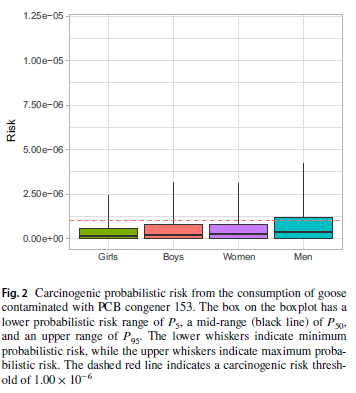
Led by concerns from community members, this research centers traditional foods - particularly hunted wild game and home-processed meats - to assist with the protection of what people eat and preserve food sovereignty. We work with Oujé-Bougoumou Cree Nation to analyze for contaminants of concern (e.g., metals/metalloids) and persistent organic contaminants (POCs) that may accumulate in country foods. The objective is actionable: to produce transparent, community-driven data that families can use to make informed decisions about harvesting, processing, and consumption with traditional foods at the foundation of health, culture, and wellbeing. Samples are intentionally chosen to match what is eaten locally and combined with straightforward exposure assessments to determine which foods pose the highest risk given typical consumption rates. Findings are shared back using plain language and through community determined outlets, along with non-regulatory guidance (if desired) meant to mitigate unnecessary risk while preserving the nutritional, cultural, and mental health positives of traditional country foods.
Photo source: https://doi.org/10.1007/s11356-022-23117-2 (external link)
Contributors
Eric Liberda (Co-PI), Toronto Metropolitan University
Funding
First Nations Environmental Contaminants Program (FNECP), Health Canada $150,000
Project Dates
2025-2027