Project Grant: Do Land-Centered Mitigation Strategies Positively Impact Indigenous Health and Wellbeing in Subarctic Canada?
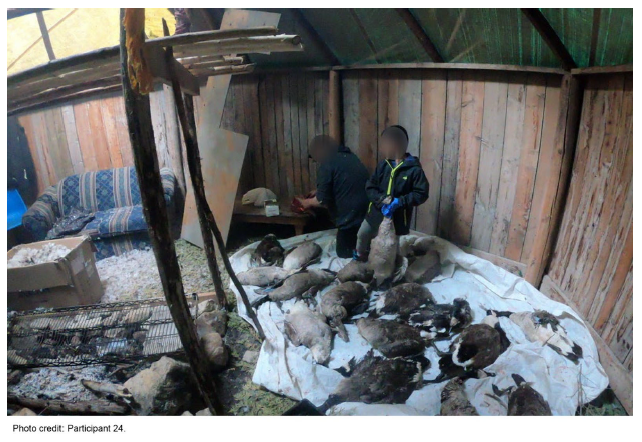
Does land-centered mitigation improve Indigenous health & wellbeing by helping to conserve and restore foodways that connect people to land - like harvesting, preparation, sharing, and eating? Partnered with Subarctic communities, we’re working to understand how land-based and land-informed practices (such as on-the-land programming, community-driven environmental interventions, and culturally-grounded work) may impact priorities identified by communities (e.g., stress, wellbeing, and access to and maintenance of traditional foods). Food is not considered a secondary outcome in this project. Rather, because land-centred approaches often determine what food is available, whether it’s safe, and if families can rely on it: food is central. The project focuses on community governance and respectful processes with findings delivered back in actionable formats that can help bolster local programs, inform climate adaptation plans, and contribute to evidence-based decisions that keep traditional foods and food sovereignty at the forefront of health.
Photo source: https://pubmed.ncbi.nlm.nih.gov/39285734/ (external link)
Contributors
Eric Liberda (Co-PI), Toronto Metropolitan University
Funding
CIHR $1,280,000
Project Dates
2018-2025