As management consulting evolves, four ex-consultants on careers beyond the firm
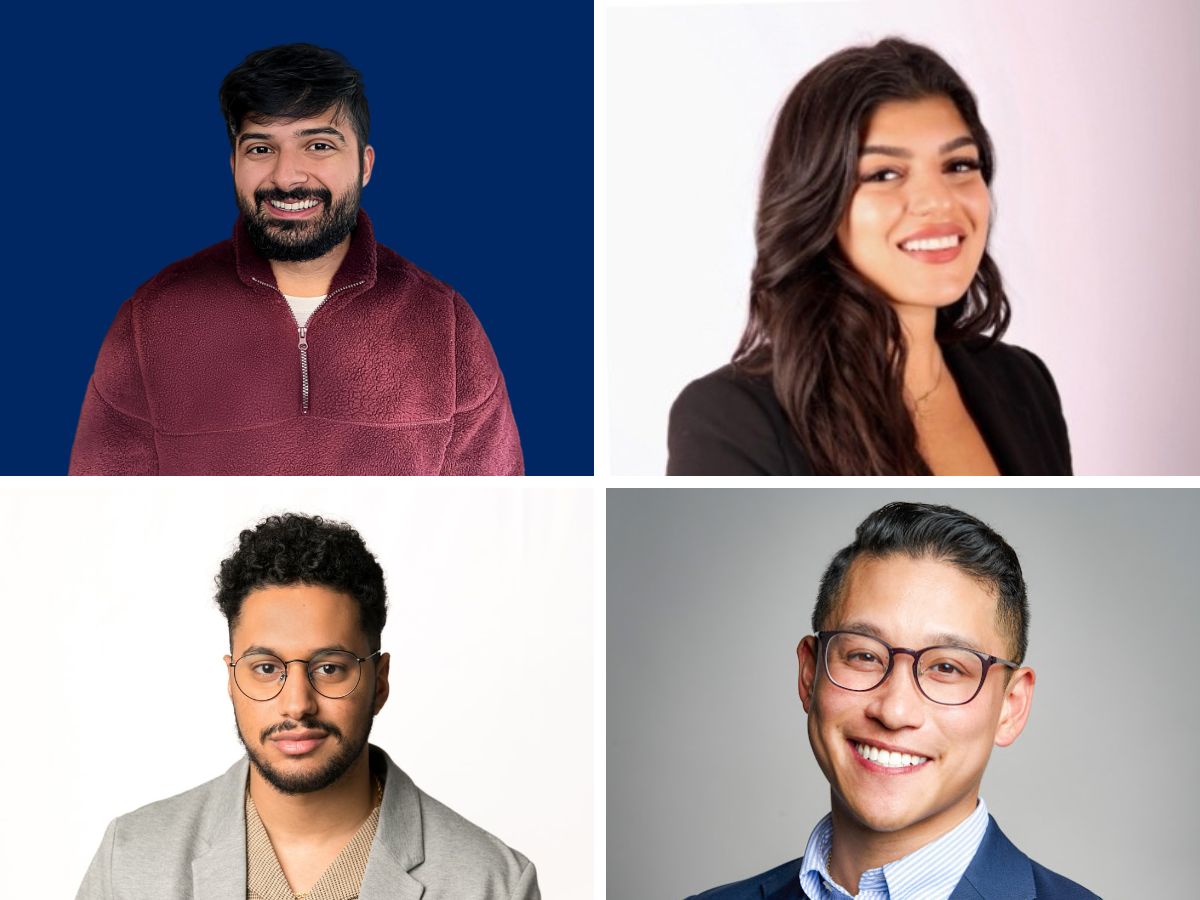
Consulting remains one of the most discussed career paths for current students and alumni alike. The last few decades have seen fluctuations in the field, from the ‘90s consulting boom (external link) to the growth of accounting firms like PwC and KPMG as global players in management consulting. Undergraduate and MBA candidates from the Ted Rogers School of Management have built careers at top firms like Deloitte, Ernst & Young and more. As social, labour and technological reshape a field once seen as future-proof, four former consultants share what they learned in consulting, and why they chose to build their careers in industry.
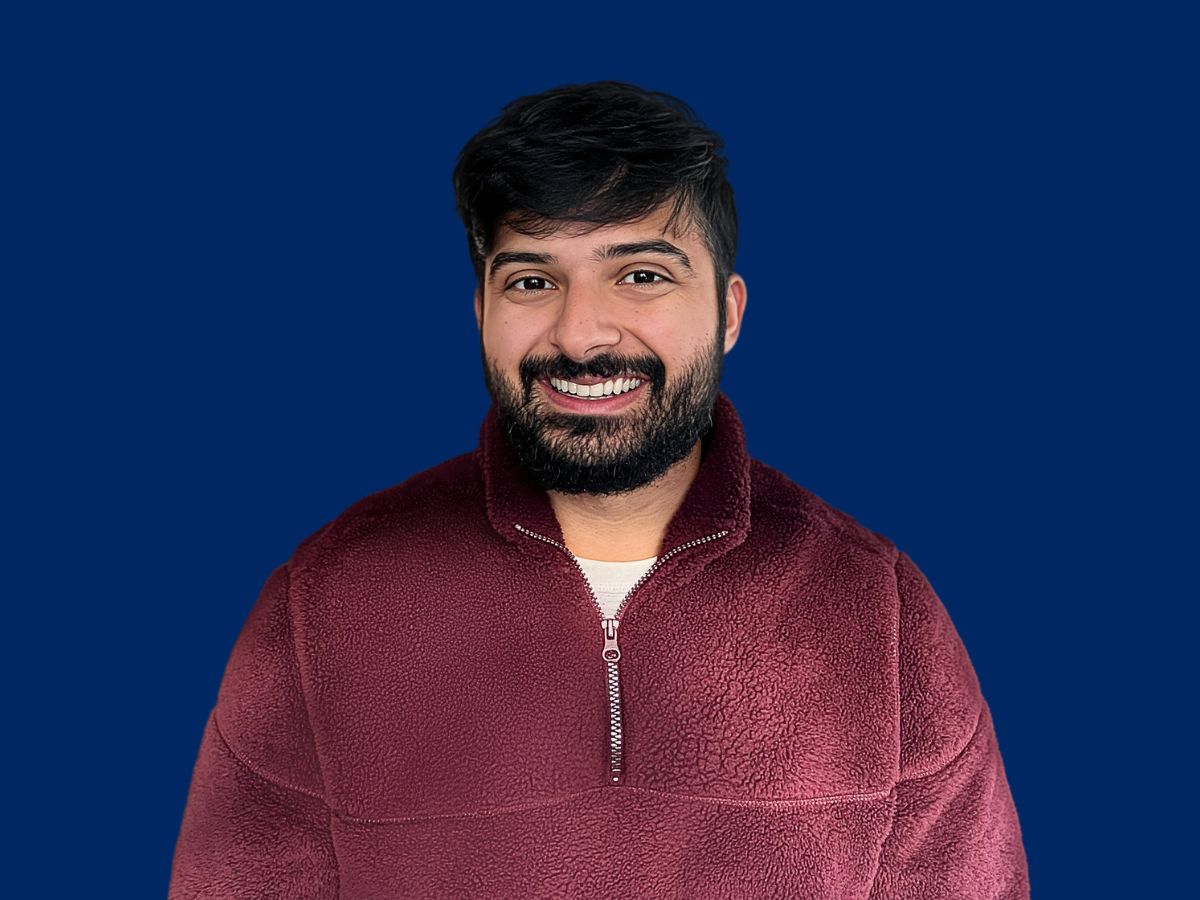
Zain Abedin: From Consultant to Strategic Account Leader
“Consulting is supposed to supercharge your career—that’s why people go into it,” says Zain Abedin (Business Technology Management ’20). “But depending on who you talk to, that could just be a myth.”
Abedin joined Deloitte shortly after graduating, entering a culture designed to push early-career professionals to solve complex problems alongside high-performing teams. “There’s a sense of camaraderie with consulting culture; you watch the same people every day navigating problems,” he explains. “It helped me double down on my learning.”
Abedin operated as a generalist, contributing to large-scale projects where success depended on countless variables. While he loved the culture and the extra-curriculars after working hours, he felt stifled by the silo that exists in the big consulting firms. “Project success drives up company success, and it is very variable,” he says. “You can’t always drive the level of success based on the role that you’re in—you’re one of thousands of consultants.”
After his time at Deloitte, Abedin pivoted into industry and now works as a Strategic Account Manager at Coursera, managing relationships with universities and global technology companies like Meta. “I learned through osmosis the structure of thinking everyone at Deloitte has, such as the analytical skills, or even watching how leaders divided up tasks and projects,” he says. “I have a team of 15 people, and these are all skills an account manager needs.”
A smaller team means that every project he touches at Coursera is part of a collective for success; Abdein finds it easier to tie the company mission to change lives through learning to his day-to-day work.
Reflecting on today’s job market, Abedin notes that industry roles can offer greater stability during uncertain times. “Consulting ebbs and flows, reflective of broader macroeconomic trends,” he says. “Industry could be more durable, especially in times of economic uncertainty.”

Nikoo Zahedi: Staying In-House at IBM
When Nikoo Zahedi was hired as a consultant at IBM after graduating (Business Technology Management, ‘22), she knew the firm operated differently than the other big players in the field. “When you enter IBM as a Business Analyst, you eventually have to choose a path between Delivery, Technology or Product,” she says. “My sole responsibility was creating user stories and aligning the team with delivery.”
She had no knowledge of consulting as a career path, and figured she was set for a technical role after finishing at TRSM, but Zahedi was drawn to IBM for combining business and technology. Over four years, she’s progressed from Business Analyst to Product Owner in the digital transformation space, shifting from supporting delivery work to becoming more client-facing and taking ownership of her team’s broader project roadmap.
“You want to be the expert in the room,” she adds. “That’s what I learned as I grew from Business Analyst, working in Delivery and eventually being a Product Owner: knowing what questions to ask the client.”
In Zahedi’s role, AI is top of mind across IBM, with clients eager to include it in their projects. Internal chatbots at IBM help her team move faster and free up time for higher value client work. “If you know what tool to use and when,you are one step ahead” says Zahedi, a mindset she traces back to consulting’s focus on problem-solving and staying ahead of change.
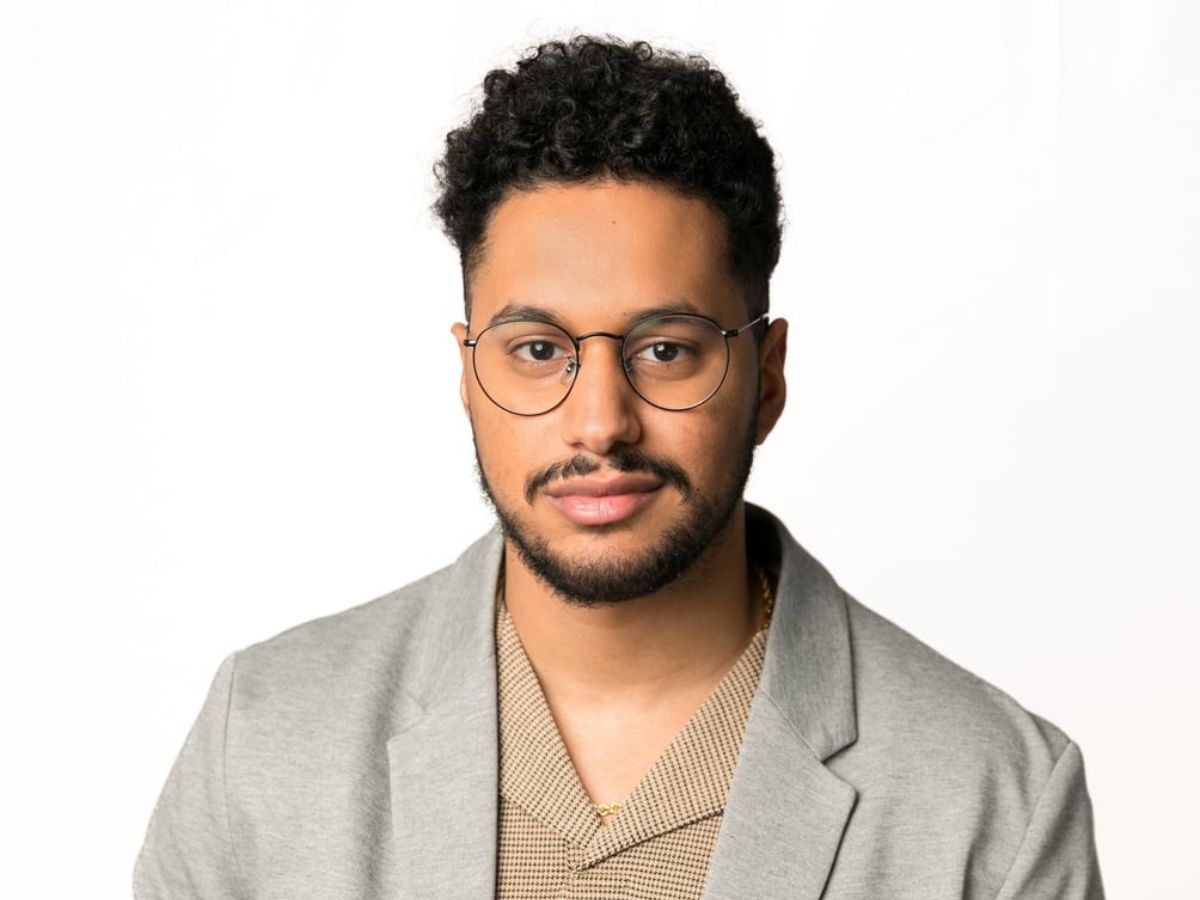
Kiro Ghobrial: From Consulting to Entrepreneurship
Unlike many business students, Kiro Ghobrial (Business Technology Management, ‘21) did not have consulting on his radar after graduating during the pandemic. An interest in technology sales landed him at Flipp, but less than a year later, he was working as a tech consultant at BDO.
“Scott McHale brought me on and mentored me,” says Ghobrial. “At TRSM, they teach you to be proficient when learning new technology systems, which carried into my consulting role.” At BDO, he developed crucial relationship-building skills that would later shape his entrepreneurial path.
While consulting offered valuable experience, Ghobrial found aspects of the work limiting. “When we were building systems, each client needed something different, but there were still lots of repetitive steps, such as requirement-gathering or building Facebook ads” he explains. Often assigned to junior consultants, these tasks have increasingly been automated as firms look to reduce costs and headcount.
“One of the biggest things at BDO is teaching you to manage clients,” Ghobrial says. “You can either help clients operationally or with acquisitions.” That exposure inspired him to launch CareGenius, where he now serves as Founder and CEO, helping healthcare service providers scale through acquisitions. In his day-to-day, he’s meeting with clients, supporting his sales teams on lead nurturing and working with his Brand Director on developing targeted campaigns on Meta and Google.
Reflecting on his journey, Ghobrial sees entrepreneurship as a compelling alternative to the historical job safety that came with consulting. “The way the world is moving, you may have a higher earning potential if you go down your own path,” he says.
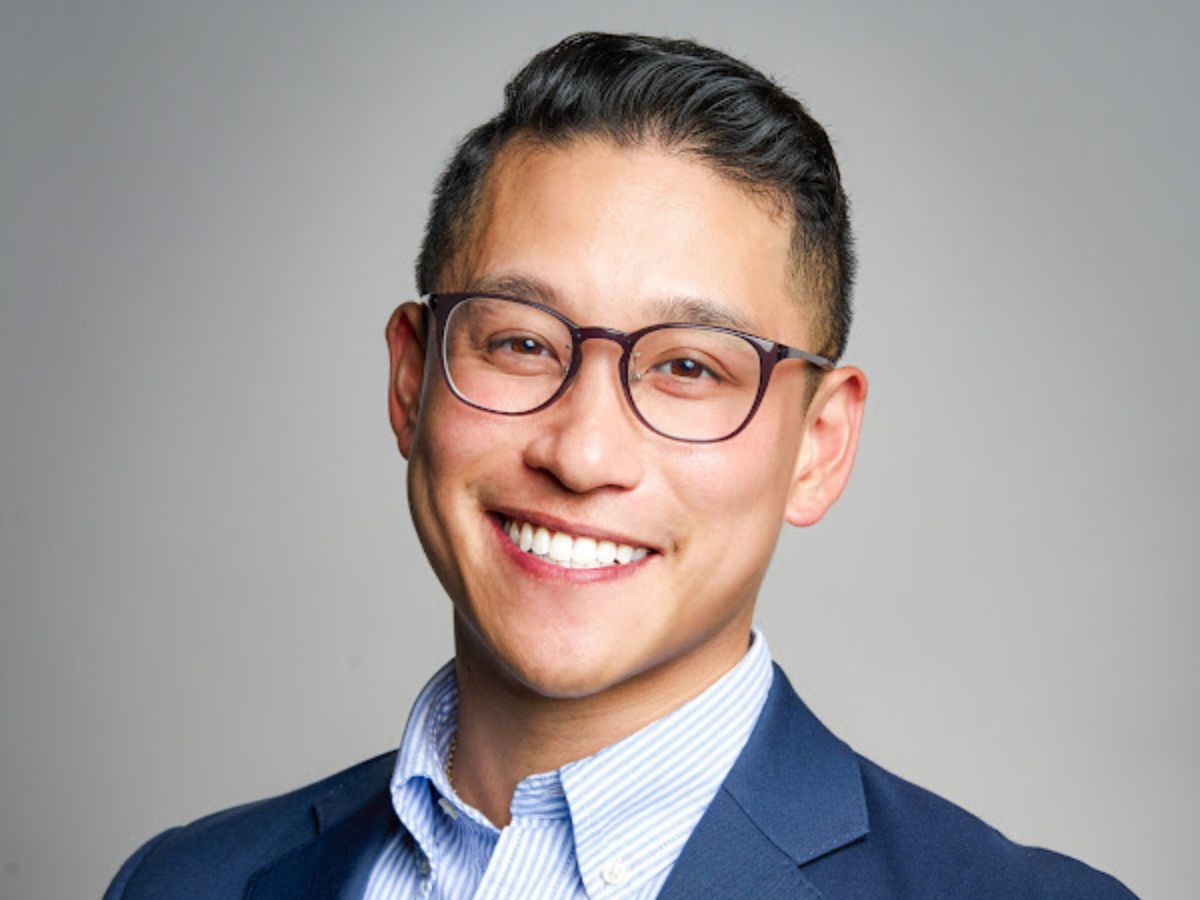
Justin Sue: Leveraging Consulting as a Launchpad
When Justin Sue (Marketing Management and IT Management ’14) graduated, consulting firms were just beginning to recruit heavily from TRSM. “I was hired right out of school—Deloitte was a tenth of its size,” he recalls. “I saw it as an opportunity to work on high-profile projects, giving me the fastest acceleration to becoming a business leader.”
Sue spent nearly five years at Deloitte, drawn to the exposure that comes with jumping across projects, sectors and clients. “You parachute into a project and are expected to be an expert in a few weeks to support the client,” he says.
Even early on, Sue viewed consulting as both a learning experience and a strategic stepping stone. “I wanted to be presented with the best opportunity to exit,” he explains. “It was like ‘choose your adventure,’ setting you up for success.”
Sue’s exit came when he was poached by Google, a process that started with a cold message on LinkedIn. His recruitment journey started in January 2017 and included multiple interview rounds and meetings with recruiters, until he was finally offered a role nearly two years later. At Google, he leads a client-facing team that helps Canadian SMBs leverage AI to drive growth. He works with a mix of B2B and B2C companies, managing employees who are client-facing.
While the industry has changed significantly since he started, Sue says the consultant mindset remains invaluable. “The world is different now than 11 years ago,” he says. “We all need to leverage AI to work smarter and more efficiently because jobs of today may not exist tomorrow. Consulting is the gift that keeps on giving because of how it teaches business excellence. I hold my reports to the high degree of excellence I was taught.’
“I still embody the role of the consultant every day at work.”