Alumni Spotlight: Mark Conway
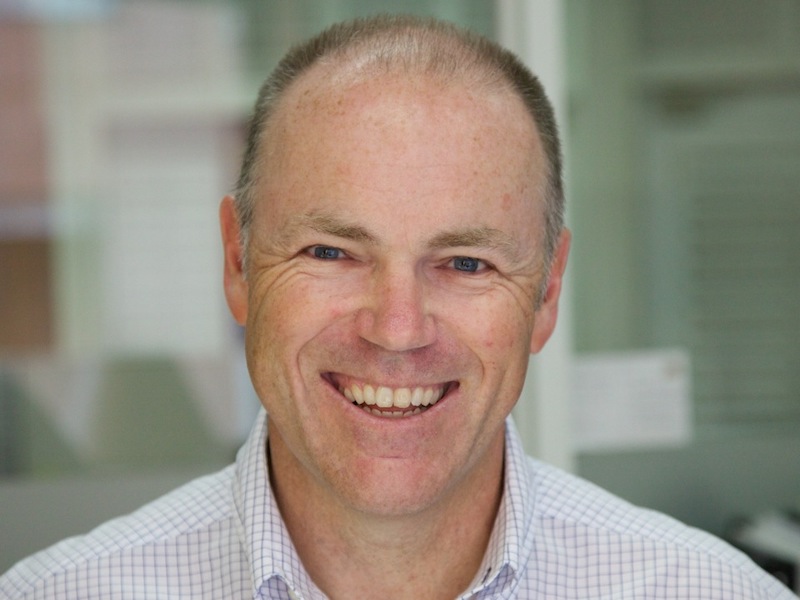
Mark Conway is president and senior partner at N. Barry Lyon Consultants in Toronto. He graduated from the Bachelor of Urban and Regional Planning program in 1983.
How have you passed your time professionally since graduating?
I’ve worked in both the public and private sectors, but mostly in consulting. I started off with the private sector and then had a very interesting time with Ministry of Municipal Affairs. I then shifted to the Toronto Harbour Commission and had a front row seat participating in the Royal Commission on the Future of the Toronto Waterfront. The recommendations of the Royal Commission effectively eliminated my job, but I was lucky enough to be hired by the Toronto Economic Development Corporation. Then I worked with Dillon Consulting and finally, for the last 20 odd years, here with N. Barry Lyon Consultants.
In what regions have you worked?
I have been very lucky to work across Canada. By far my most interesting experience was with Dillon Consulting when I worked with the Canadian International Development Agency in eastern Europe. This was after perestroika when Russia withdrew from Latvia, Estonia and Lithuania. Given my experience in working on large contaminated sites, we were asked to help those countries reconsider the reuse of former Soviet military bases for peacetime uses. It was a fascinating opportunity to do some capacity building with eastern European countries on soil and groundwater remediation, economic development and urban planning.
Which planning work are you most proud of?
The roles we have had with the Toronto Community Housing Corporation in the revitalization of Regent Park, Alexandra Park, and Lawrence Heights have been particularly rewarding. I think those are the projects that I look back on as the most interesting, that had the most change attached to them, and contributed the most to the city. Our work with Waterfront Toronto in the East Bayfront and the Portlands has also been fascinating.
How do you think your time at Ryerson influenced your career?
Ryerson gave me the pragmatic tools that made me employable from the start, but also underpinned my entire career. I still think of Ian Lord’s law class that gave me a practical understanding of the “mechanics” of planning. We really understood what the Planning Act did and what official plans and zoning bylaws were. Of course, I have great memories from field trips to New York City and Chicago as well. Getting to see other places, understanding how they work, and listening to professionals at a young age was inspiring.
How do you think the field of planning has changed since you graduated?
I think planning has become more important than ever. Access to information is much greater now, so the ability to learn from other people’s experiences is much greater. The disciplines of urban design and economics also didn’t have the same influence on planning outcomes in the 1980s as they do now. They were important but today these skill sets are much more sophisticated and as such, have greater influence.
Do you have any other advice you would share with the new generation of Ryerson planning students?
My personal interest is to elevate planners’ understanding of economics and blend that into their planning practice more. There is demand for planners who can evaluate the land economics of a policy or real estate development process, with a limited pool of expertise. For example, solutions to a sustainable, affordable housing stock require an understanding of the interplay of land use planning policy and the economics of pricing and construction.
Apart from that, I’d say work hard to maintain the relationships you make at Ryerson. Even 35 years later, I still feel a sense of pride and belonging from Ryerson that I think is shared amongst most alumni. Your classmates will likely be your future business partners or clients and the shared experience of a Ryerson planning degree is, at a minimum, a great icebreaker and, at best, a basis of trust and common understanding.