SDG 2: Zero Hunger
2025 SDG report
SDG 2: Zero Hunger
Hunger and food insecurity threaten the well-being of millions worldwide, making access to nutritious food a critical issue. At TMU, we are taking action by advancing food security, nutrition and sustainable food systems – supporting our students and local communities and driving research on these urgent challenges.
From empowering future leaders with the knowledge and skills needed to tackle food insecurity, to implementing sustainable food initiatives on campus and building meaningful partnerships, TMU is actively contributing to the global movement to end hunger.
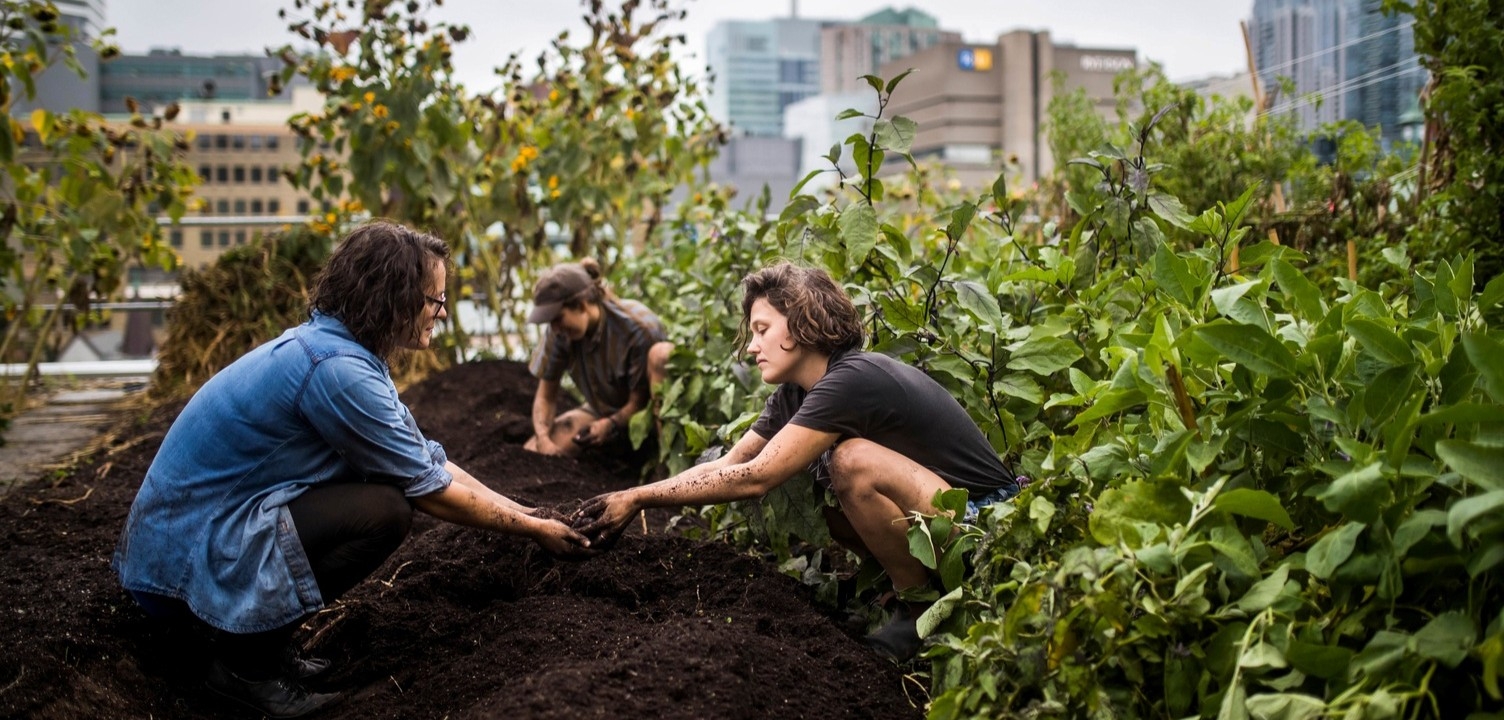
TMU’s Urban Farm harvests more than 3,000 kilograms of fresh produce in a typical growing season.
The DCC rooftop farm is the first purpose-built rooftop farm in Toronto under the Green Roof Bylaw.
16,674 free meals were provided to students through the Free Food Project in 2024-25.
Our goals in action
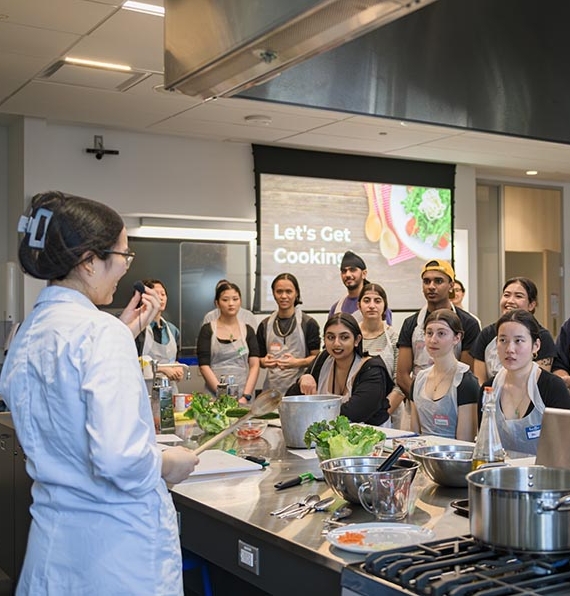
Photo credit: Alyssa K. Faoro
Building a food secure future starts with education. TMU offers a range of programs across disciplines and credential levels to prepare the next generation of leaders to address food security and nutrition challenges with innovative, sustainable solutions.
- TMU’s Faculty of Community Services (FCS) offers a BASc Nutrition and Food program, which includes education in science, nutrition, research, communications and social science, in addition to study opportunities in areas such as dietetics, food security, gerontology or Indigenous studies. An optional international exchange can assist in shaping an understanding of nutrition-related theory and practice around the globe.
- FCS also offers an MHSc in Nutrition Communication, a first-of-its-kind program in Canada which focuses on advanced communication and knowledge translation skills for interpreting scientific evidence and tailoring nutrition education and counselling for diverse audiences. The accredited practicum option prepares future dietitians for success in current and evolving careers ranging from hospital- and community-based practice to industry, e-health and beyond, while the Major Research Paper/Project option lets experienced dietitians become leaders in nutrition communication.
- The Professional Master’s Diploma (PMDip) in Dietetics is a professional program that provides practical, hands-on dietetic experience in clinical, community and management settings, that enables students to obtain the Integrated Competencies for Dietetic Education and Practice accreditation. The program is offered in partnership with North York General Hospital, SickKids, Sunnybrook Health Sciences Centre and Women’s College Hospital.
- TMU’s Chang School of Continuing Education offers Canada’s only online certificate program in food security. The program is designed to help address food insecurity by graduating passionate, qualified professionals to create and implement food security programs and policies to help achieve food security locally, nationally and globally.
- The Chang School also offers a Certificate in Urban Agriculture, which is designed to meet the requirement for professional accreditation and expertise in urban food production systems and development of green urban infrastructure. Created in partnership with the TMU Centre for Studies in Food Security, coursework covers urban agriculture fundamentals, best practices, and policy-making. It also provides training in green and natural infrastructure.
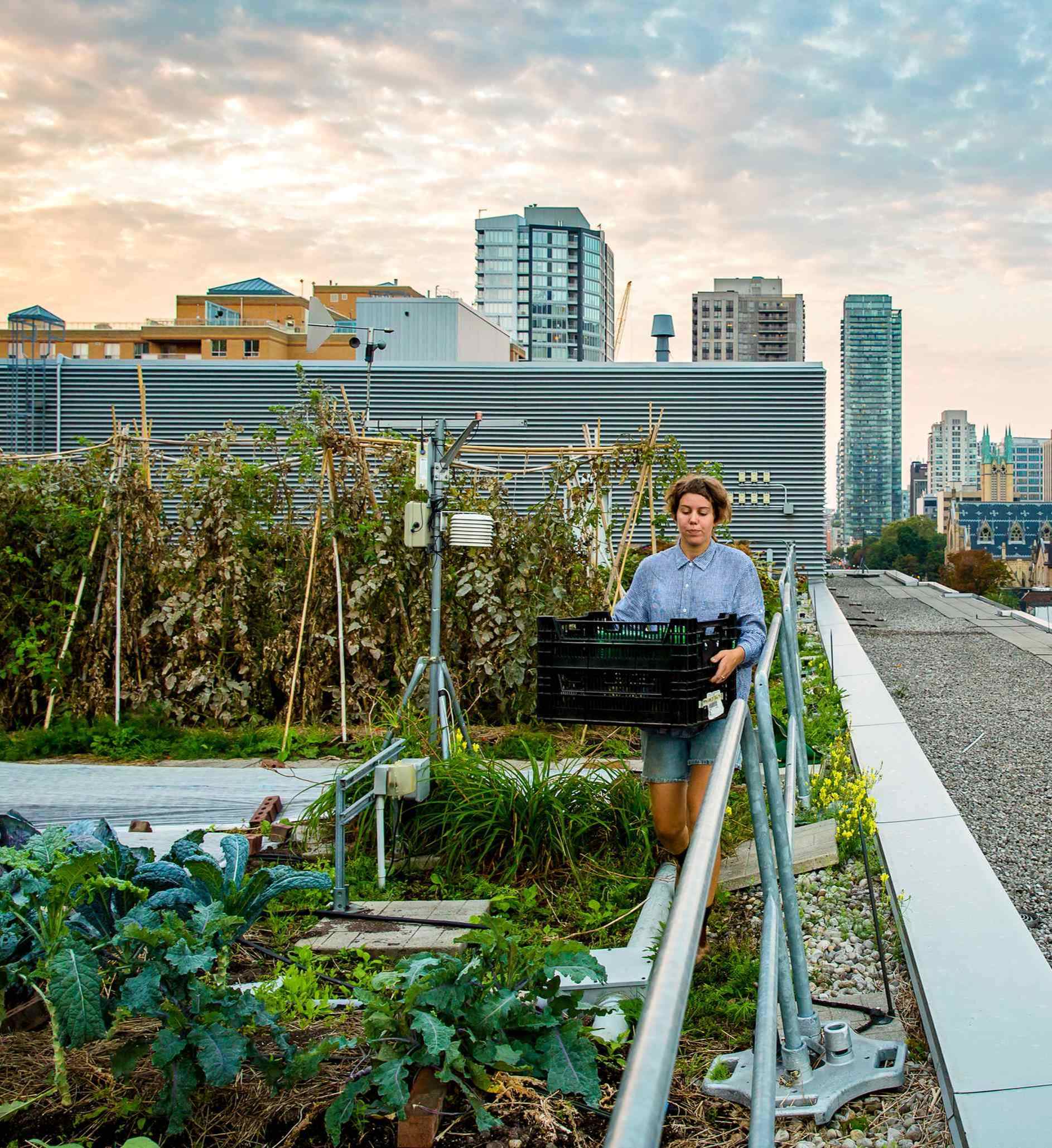
Driven by a commitment to eliminate hunger, TMU researchers are developing innovative solutions to tackle food security and nutrition challenges. Through hands-on and academic research, such as the work at our Urban Farm, which uses rooftop spaces to grow produce and conduct research, we are advancing sustainable food systems and improving access to nutritious food. In collaboration with local and international partners, TMU is driving research that creates real-world impact in the fight against hunger.
- TMU researchers Habiba Bougherara and Lesley Campbell received a $5 million grant from the Weston Family Foundation’s Homegrown Innovation Challenge to scale their revolutionary berry-growing system. Their innovation, called “MoFarm” is a modular, vertical farming system designed for year-round berry production. Developed with industrial partners Yves Bélanger and Pascal Gagnon of Montel Inc., the system’s multi-layered design can pollinate and grow multiple types of crops at various stages. This maximizes bold yield and efficiency. A key breakthrough is MoFarm’s patented pollination and air circulation system. It delivers consistent, autonomous pollination – solving a major challenge in greenhouse and vertical farming.
- TMU’s Centre for Studies in Food Security (CSFS) works to promote food security through research, dissemination, education, community action and professional practice. CSFS takes an interdisciplinary and systemic approach to social justice, environmental sustainability, health and socio-cultural aspects of food security. The Centre shares information and facilitates dialogue among civil society organizations, universities, and governments, and hosts national and international conferences as part of its engagement with food security initiatives at local, regional and global levels.
- The Urban Farm is a living lab that brings together urban farmers, community partners and academics through interdisciplinary research on the rooftop farm. The living lab builds on user-driven research needs that respond to the challenges of designing and operating a rooftop farm using green roof technology. Ongoing projects include the Indigenous Foodways and Black Food Sovereignty initiatives, which aim to engage community members in selecting, growing and harvesting culturally significant crops.
- The Nutrition Discovery Labs (ND Labs) (external link) at TMU conducts research focused on the physiological and environmental factors that contribute to appetite and energy imbalances with the goal of providing a foundation for advice on diet composition, physical activity and environment in preventing and managing overeating in children. The ND Labs aims to provide evidence-based dietary, exercise and environment strategies that can fill an important gap that parents, school administrators and policy makers can use to ensure children grow up happy and avoid a lifetime of poorer health.
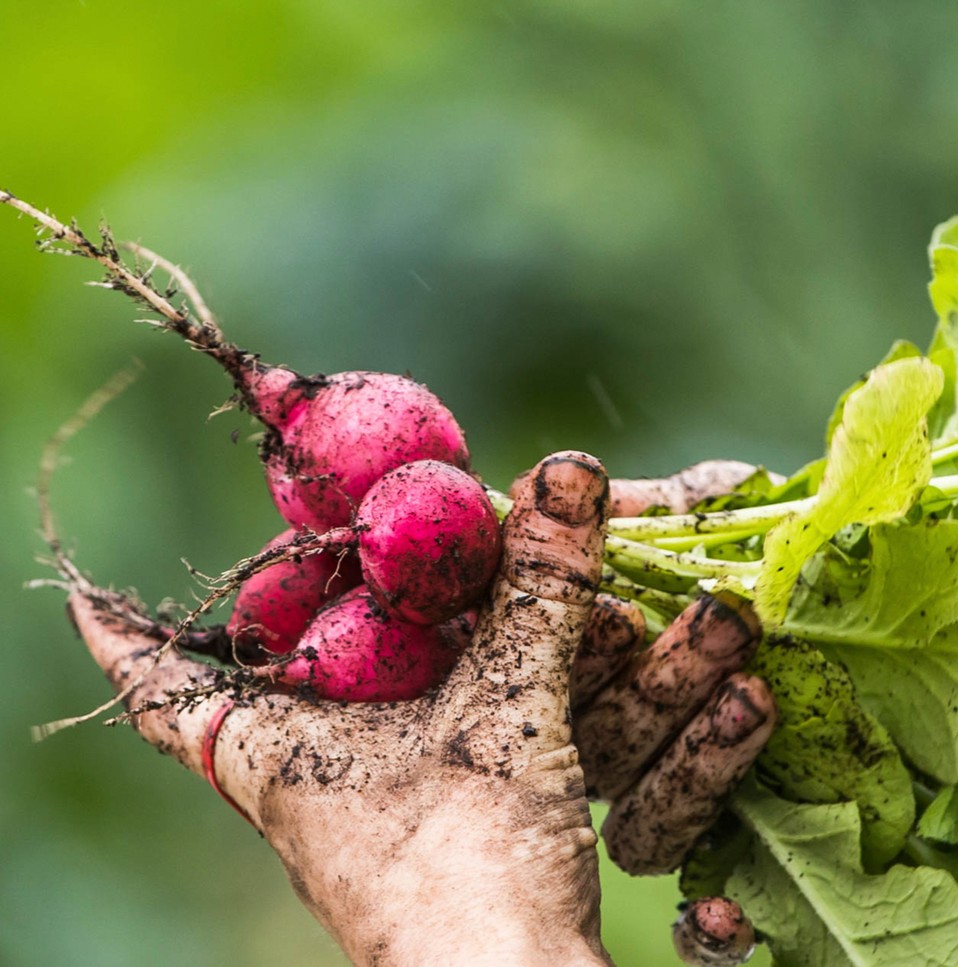
Committed to supporting food security through sustainable practices, TMU integrates food production into campus operations, ensuring fresh, nutritious food is grown using environmentally responsible practices and distributed to students and the local community.
Ecological rooftop farms play an important role in mitigating the effects of climate change by minimizing the negative impacts of the urban, built environment by sequestering carbon, reducing the urban heat island, diverting stormwater, increasing biodiversity and supporting native pollinators. TMU’s Urban Farm applies regenerative agricultural practices such as minimizing soil disturbance, keeping soil covered, maintaining living roots in the soil and growing a diverse range of crops, including wild plants.
With more than 80 rooftop crops in production across two rooftop farms, the Urban Farm harvests more than 3,000 kilograms of fresh produce in a typical growing season. The farm uses ecological methods that support the health and well-being of our surrounding ecosystem. To maintain soil fertility, the farm uses crop rotations, mulches, cover crops and green manures and applies natural soil amendments, such as compost, compost tea and seaweed emulsion.
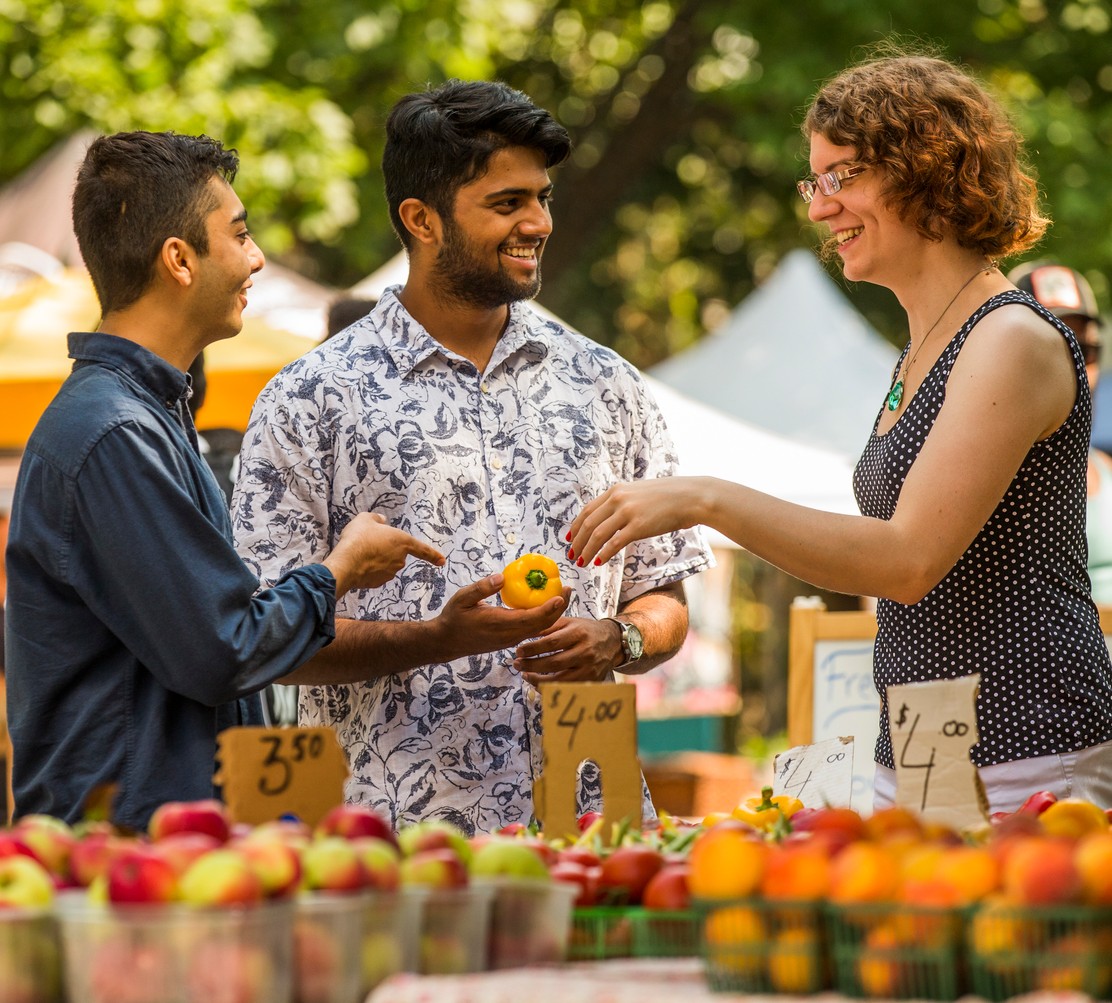
To maximize the social impact of the harvest, the Urban Farm follows a model of thirds distribution plan in which no less than one third is donated to the community, no more than one third is sold at market value, and one third is available at equitable rates for TMU students. This allows the harvest to be shared with as many members of the community as possible, while also generating revenue to sustain rooftop farm operations.

Food insecurity can significantly impact students’ well-being, academic performance and overall success. At TMU, we are committed to breaking down barriers to food access through a variety of initiatives that help ensure students have access to the affordable, nutritious food they need to thrive.
- TMU Eats has made addressing food security on campus a priority through a number of initiatives designed to support students accessing healthy, nutritious, affordable food on campus. These include free food during exam periods, free soup days and affordable on-campus meals through the Friendly Fiver program – a budget-friendly daily special available for just $4.99. In 2025-2026, the Office of the President provided a generous financial contribution to ensure this celebrated deal remains $4.99, despite rising food costs. Thousands of free meals are provided to students each year through these initiatives.
- The campus’s Free Food Locator tool supplies students with up-to-the-minute details on the availability of free food on campus. The Free Food Locator represents a commitment to fostering a supportive, thriving, and united campus community.
- Ted's Kitchen and The Met Dining Room at the Ted Rogers School of Management use only locally sourced top-quality ingredients for their dishes, at a fraction of the cost found anywhere else in the city. The restaurants are both Feast On certified (external link) , which is a government-issued certification for hospitality establishments that use over 65 per cent locally produced food items.
At TMU, we believe that real change extends beyond campus boundaries. We are committed to supporting food security not just for our students, but for those in our local communities and beyond. By working with farmers, government partners and community organizations, we help promote sustainable practices, provide nutrition education and ensure that nutritious food is accessible to those who need it most. Through these efforts, we empower individuals with the knowledge and tools they need to contribute to long-term food security.
- TMU Eats provides professional training for their chefs under the Forward Food Program developed by the Friends of Humane Society International. The hands-on training program teaches food service professionals how to incorporate plant-based foods into their menus and place sustainability at the centre of their menu decisions.
- The Urban Farm is proud to offer a variety of educational programming and hands-on training for the Toronto Metropolitan University community and members of the public throughout the growing season. From tours and field visits to in-person training and workshops, there are plenty of opportunities to experience a day in the life at the Urban Farm.