Rising Stars
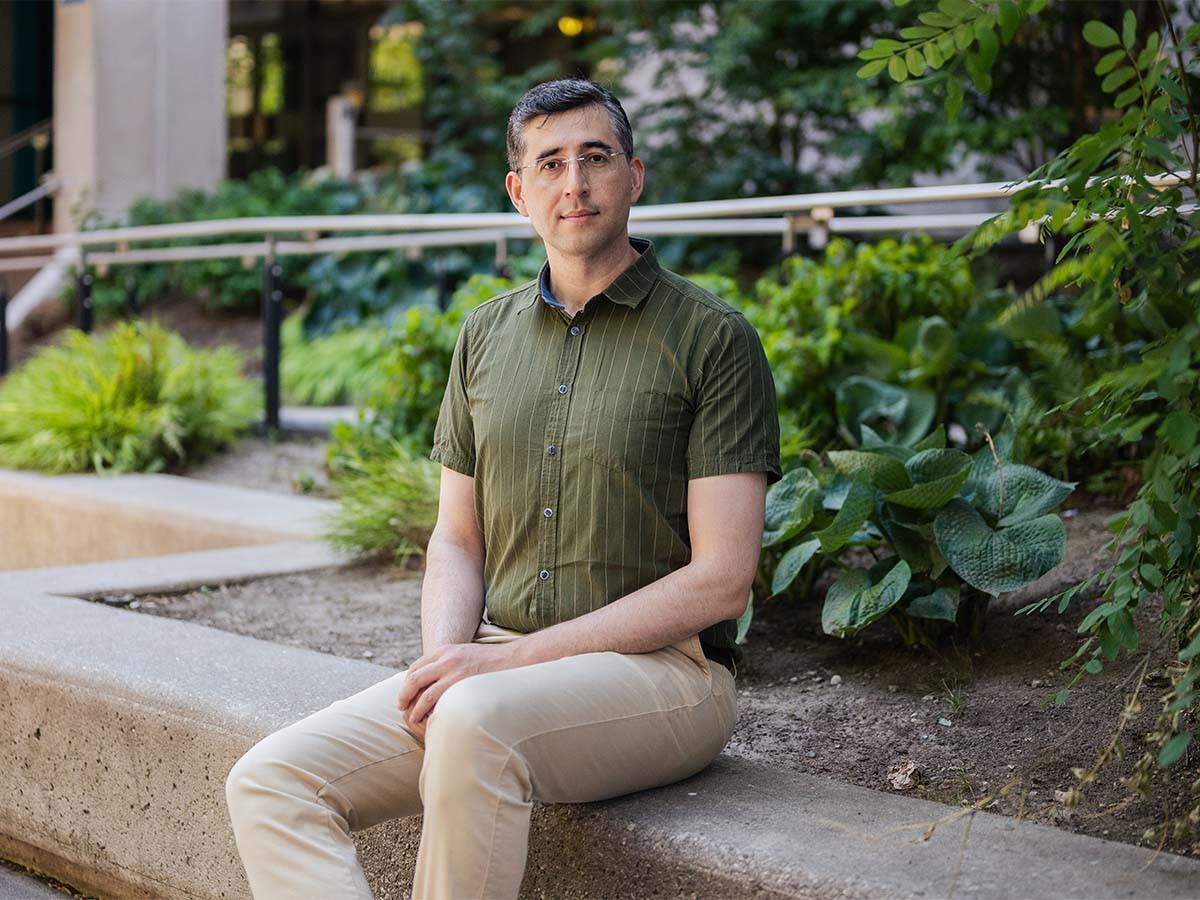
In an increasingly interconnected world where data privacy is at risk, Professor Navid Nasr Esfahani is preparing the next generation of experts to protect sensitive information for years to come.
Professor Navid Nasr Esfahani joins the Department of Computer Science from Memorial University in St. John’s, bringing with him a passion for student-centered learning and a commitment to building research partnerships with industry and local communities. His work focuses on secure and private data communication and storage systems, particularly in scenarios where the adversary has access to all possible computational resources, such as quantum computers. As concerns about personal privacy continue to grow, he aims to design and develop security and privacy tools that benefit people worldwide. At TMU, he aims to train experts to help make the digital world a more secure place.
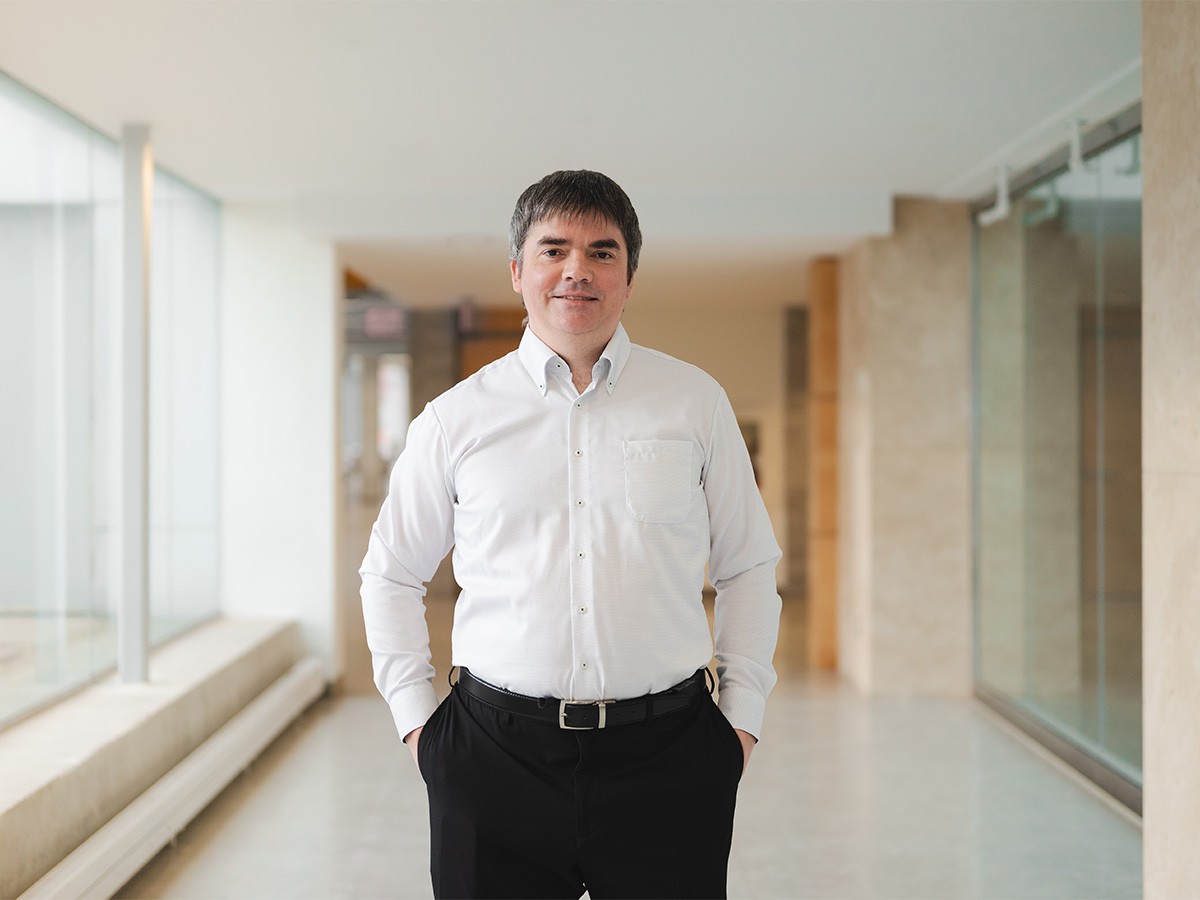
After half a decade working in Japan, Claude Gravel returns to Canada to advance cryptography, communication protocol and security research at TMU.
Professor Claude Gravel joins the Department of Computer Science with an educational background that blends mathematics with computer science, having spent the last five years researching quantum device resiliency and secure-based computation in Japan. His research relates to probability and linear algebra (over finite fields), which are important branches of mathematics with applications to coding theory, including cryptographic, communication, and error correction codes. He teaches a newly designed introductory course on classical and quantum error correction. In addition to the quantum course, he conducts research on probabilistic analysis of randomized data structures and organizes symposiums, giving talks on the connections between discrete mathematics and quantum coding theory.
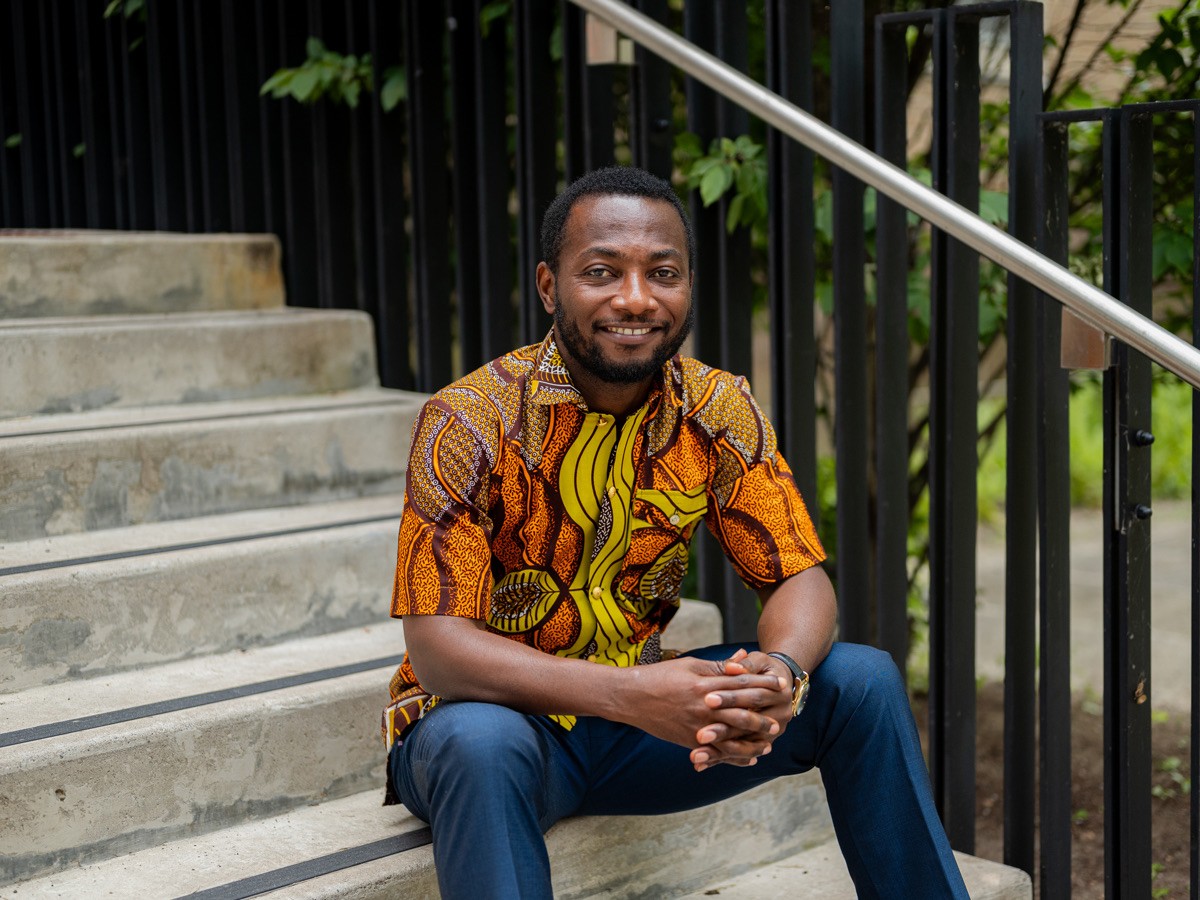
“As the son of a small-scale farmer from an Indigenous farming community in the southern part of Ghana, I had first-hand experience of the impact of climate change on my family’s economic activities.”
Professor Samuel Asante Gyamerah brings an interdisciplinary perspective to the Department of Mathematics, drawing on financial mathematics, actuarial science, climate finance, mathematical modelling, machine learning, and statistics to tackle financial and environmental challenges. Gyamerah specializes in systemic risk modelling using epidemiological and network theory, developing pricing models for weather index insurance and weather derivatives in the agricultural sector, longevity pricing, and predictive analytics. Before joining TMU, he was a post-doctoral researcher at the University of Waterloo. A key focus of his work is developing pricing models for weather index insurance and weather derivatives to protect farmers from losses caused by unpredictable weather events, a topic that hits close to home for Gyamerah. Through his work, he aims to ensure that small-scale farmers, not just in his home country but across the world, can access affordable and reliable risk management strategies against the growing threat of climate change. Gyamerah’s research work bridges the gap between academic research and real-world applications, offering data-driven strategies for mitigating climate-related financial risk and improving financial system resilience.
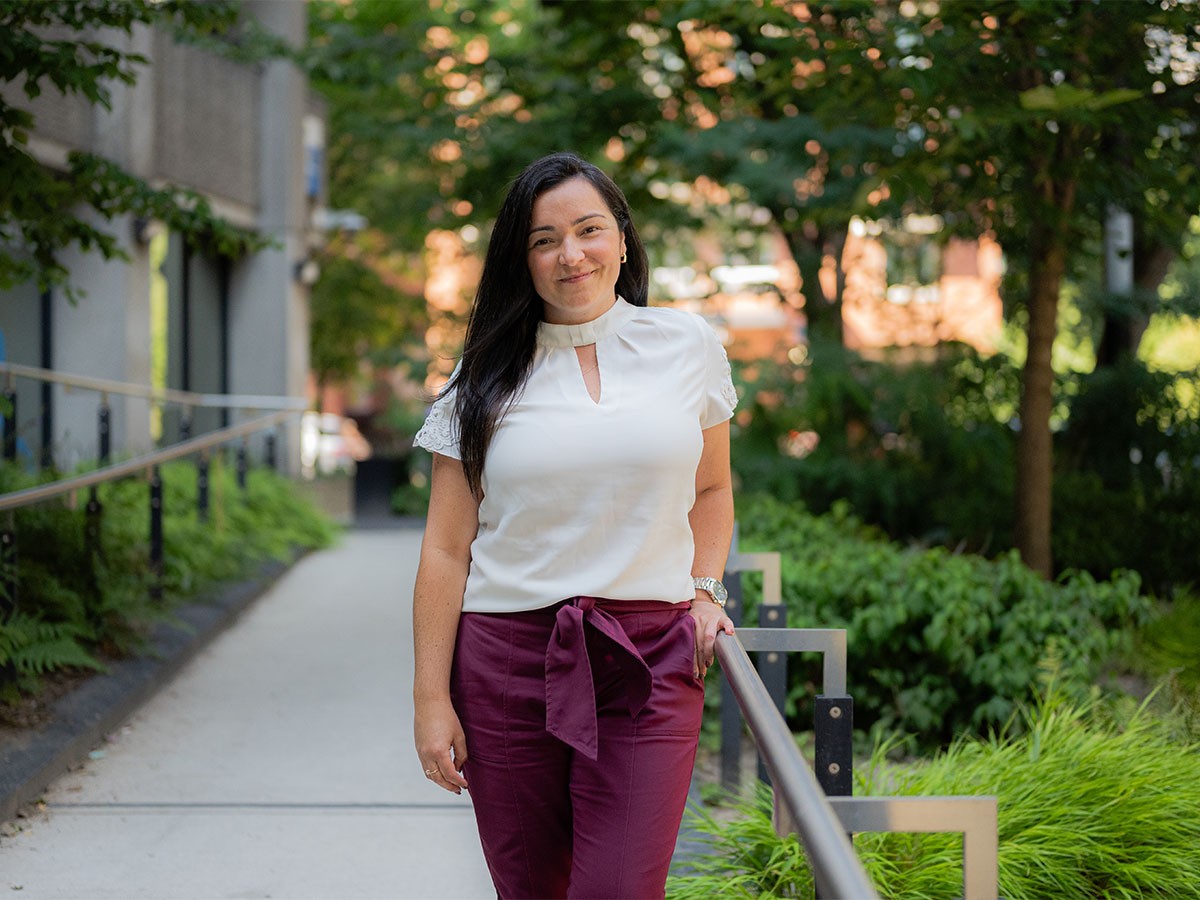
“The present and future of AI is incredibly exciting and should positively impact how we live and work.”
Professor Glaucia Melo dos Santos joins the Department of Computer Science at a pivotal time for AI development. Her research sits at the intersection of software engineering and AI-driven development, with a focus on autonomous systems, human-AI interaction, and contextual computing. Her current investigations explore how AI tools generate information, ranging from their interactions with humans to decision-making in autonomous driving systems, and how we can visualize the provenance of AI decisions, with the ultimate goal of making these systems more transparent and reliable. With over 15 years of industry experience in the computing field in Brazil, she has led the design and optimization of database architectures, driving significant performance improvements. After moving to Canada for her PhD and subsequently joining TMU, she has continued her work through collaborative research with Canadian and Brazilian colleagues, and is now working on expanding these partnerships. Since joining TMU, Melo dos Santos has partnered with other faculty members, joining meaningful projects and securing funding opportunities to work with undergraduate and graduate students interested in conducting research.