The upside of AI: TMU student’s summer job at AI startup is shaping the future of fundraising
In this article:
- Making meaningful impact: Business management student helps develop an AI-powered platform to amplify philanthropic impact
- New TMU student used his AI coding skills to land a job with an AI startup
- Networking to a summer job means leveraging your connections, including parents
- The future of fundraising is AI powered, making it easier for fundraisers to connect with potential donors whose interests align
- A behind-the-scenes look at philanthropy shows it doesn’t begin and end with the gift, it involves time and relationship building
What’s it like to land your dream job at an AI startup before you’ve even started your program?
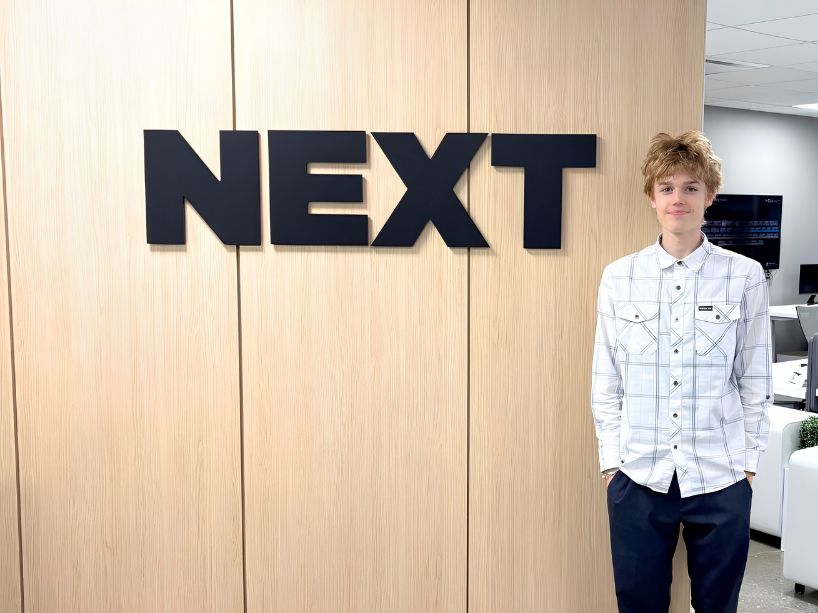
We asked Jake Briand, 19, a first-year Business Management student at TMU. This summer, he worked as a product developer at Triple (external link) , a start-up building an AI-enabled donor intelligence platform that helps fundraisers connect with the right philanthropists. Triple is backed by NEXT AI, a national non-profit that supports Canadian entrepreneurs.
“It's a dream come true,” said Briand. “I get to do what I love, which is working with AI to explore its capabilities. I believe AI is the future.”
Briand shares that his first few weeks at TMU have been positive. He’s been settling into the
Ted Rogers School program and enjoying his classes.
He continues to work with the startup part-time while juggling his studies.
“A lot of what I learned over the summer has shown up in my coursework, especially in my entrepreneurship class and my information systems class, where I keep running into concepts I used on the job,” said Briand.
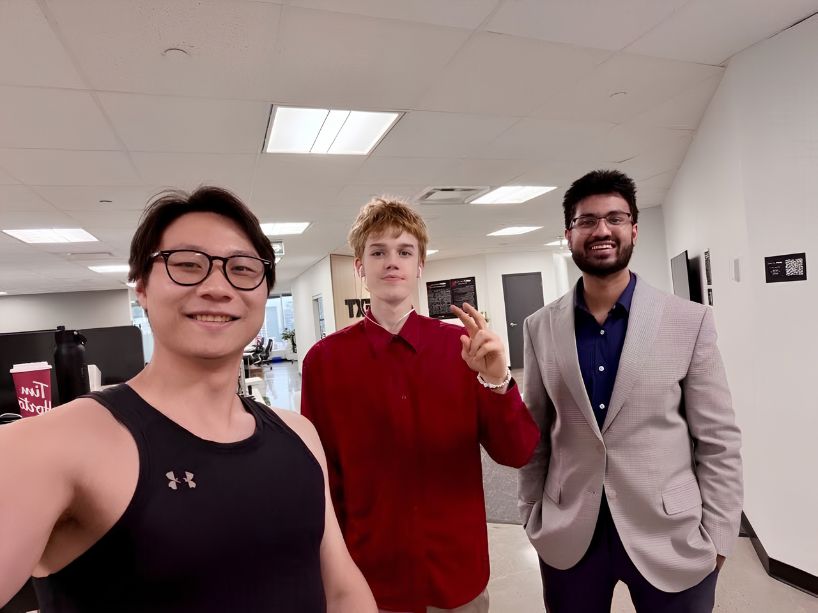
Jake Briand’s work on an AI-powered fundraising platform has given him a new appreciation for the complexity of philanthropy. He’s also being exposed to the entrepreneurial world working from a tech start-up accelerator and meeting different founders and developers like those from Acephalt.
Building AI tools for the fun of it
Briand didn’t land this internship by luck. He built his way in.
Before transferring to TMU, he studied economics at Queens University. That’s when he taught himself Python and developed his interest in AI programming.
One of his first projects was a tool for his dad, Jeff Briand, senior director of prospect development in the office of University Advancement at TMU. The tool searches for potential donors who have previously given to law and medical schools. To personalize it for dad, he added an AC/DC poster in the background.
That early self-directed project would prove especially helpful for what came next.
Networking to a summer job
Briand wanted to seek opportunities in the AI start-up world, so he started where most young people do. At home, with mom and dad.
His dad connected him with Triple’s founder and CEO, Ben Gahtan, which led to an interview that went really well.
“It was more of a discussion on the state of AI than an interview, talking about the tools we use and technical aspects of AI,” he said.
“I also know a lot about philanthropy because of my parents, and it is a philanthropy tool, so that really helped me – especially since I shared how I built my own AI-powered fundraising platform,” says Briand whose mom, Shannon Robertson, also works in philanthropy at TMU as associate director of development, campaign events in University Advancement.
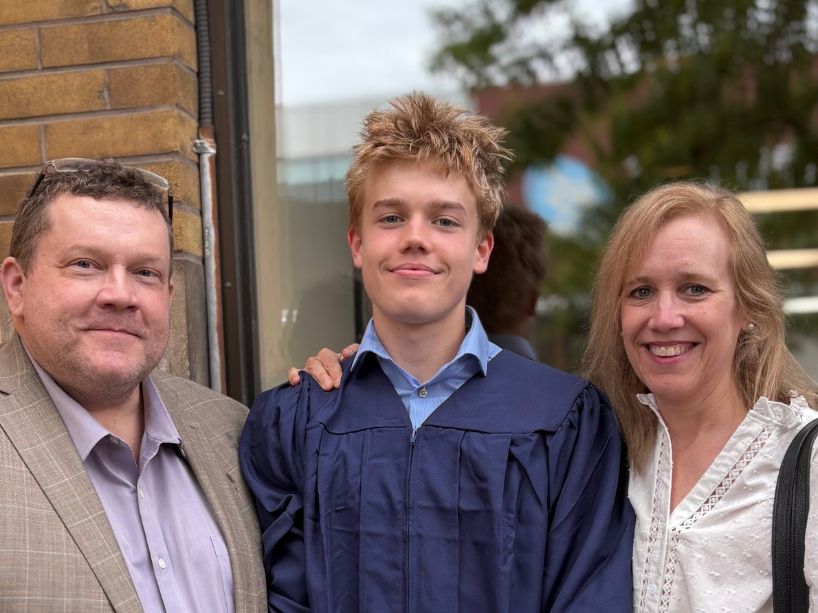
A family business. Incoming Business Management student Jake Briand with his parents who work in philanthropy at TMU is working at an AI startup connected to the fundraising sector.
The future of fundraising is AI powered
Since starting at Triple in early May, Briand’s days are generally spent programming their platform that helps hospitals, colleges and nonprofits identify prospective donors. Currently, he’s integrating 11,405 CRA-listed foundations into the product.
“We build donor research software for nonprofits, mostly universities, hospitals, and charities,” he said. “Fundraising teams usually spend hours figuring out who to ask for money and how to reach them, and we’re using AI to help do that work for them.”
Part of his job is collecting first-party data directly from foundations – non-profit organizations that drive social impact through funding, research or direct community services. Instead of relying only on internet searches, Briand uses forms to collect more accurate information straight from the source.
He’s also been cold-emailing foundation leaders and setting up meetings with executives and his team.
“We really want to identify the needs of the foundations so we can present it to the fundraisers and create alignment," he said.
A behind-the-scenes look at philanthropy
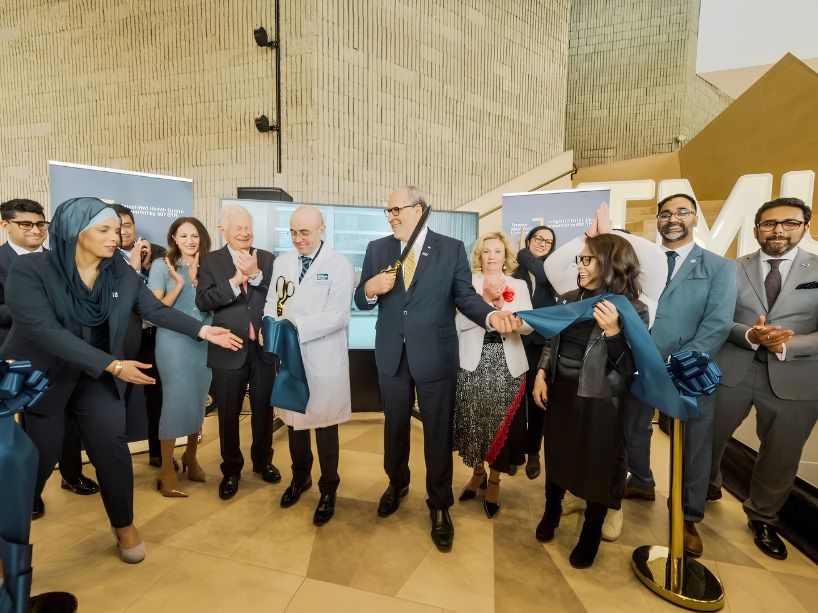
On March 25, TMU announced a transformative $7.5 million gift from 407 ETR in support of the TMU School of Medicine. Staff at University Advancement play a vital role in helping the university fulfil its mission and meet the needs of the region. (Photo: Alyssa K. Faoro)
Working at Triple is giving Briand a deeper understanding of how philanthropy actually works–from identifying funding priorities and finding prospective donors to cultivating relationships and stewarding gifts long after a donation is made.
"I didn't realize how involved the whole process is," he said, gaining a new appreciation for the work mom and dad do at TMU.
He sees even more opportunities for AI to help with donor relations and donor stewardship.
Second home at TMU
Briand was excited to start classes at TMU, especially with his parents working nearby.
“When I was younger I went to so many camps here,” he said. “I went to soccer and film camp, and many others. I’m familiar with most of the campus and have vivid memories of Mattamy Athletic Centre. Really good associations.”
He even visited campus during his reading week from Queens this past year to study at the SLC with friends.
“My favourite are the two top floors where you can see and experience downtown Toronto while studying.”
He continues to be impressed by the bustling environment of the downtown Toronto-based NEXT AI accelerator office he works from which hosts numerous startups, especially since he sees a future career as an entrepreneur.
“I’m immersed in the entrepreneurial tech world and I feel like I’m getting a second education just from meeting different tech startup founders and learning about what they do,” he said.
Making meaningful impact
Despite the learning curve, he is excited about the potential outcome of his work at the startup, especially when it comes to boosting the efforts of hospitals and universities.
“The impact is a big part of the draw,” he said. “The better this software works, the less time these organizations spend chasing leads, and the more time they can put toward achieving their mission.”
Another perk: “I get to work across most of the product and help shape what we’re actually building, which is something you don’t really get to do at a larger company.”
