TMU research shows how dog menus are giving restaurants a leg up
Summary of article:
- New research from TMU shows dog-friendly restaurant menus can enhance the dining experience and increase revenue
- The study, led by Rishad Habib, finds that offering dog-specific menu items boosts customer intent to visit, spending and positive word-of-mouth
- Findings highlight “authoritative” pet owners, who prioritize their dog’s emotional well-being, as most likely to seek out and enjoy dog-friendly dining experiences.
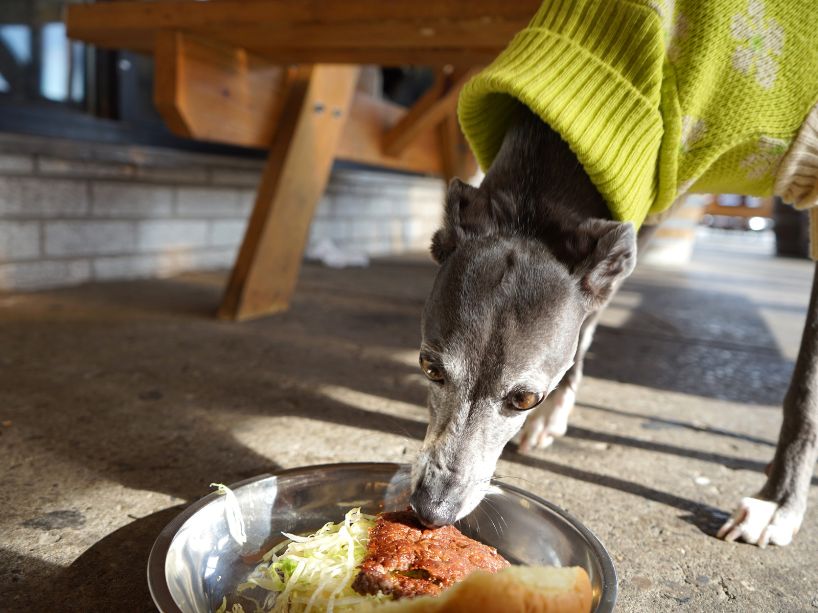
If you’ve eaten on a restaurant patio this summer season, you’ve probably spotted something new on the menu: options for dogs. It’s a growing trend across the city, and new research explains why it works.
A study from TMU’s Ted Rogers School of Management looks at how dog-friendly dining is changing the way people choose where to eat (external link) – and how much they spend once they get there.
From dog-friendly patios to the rise of dog menus
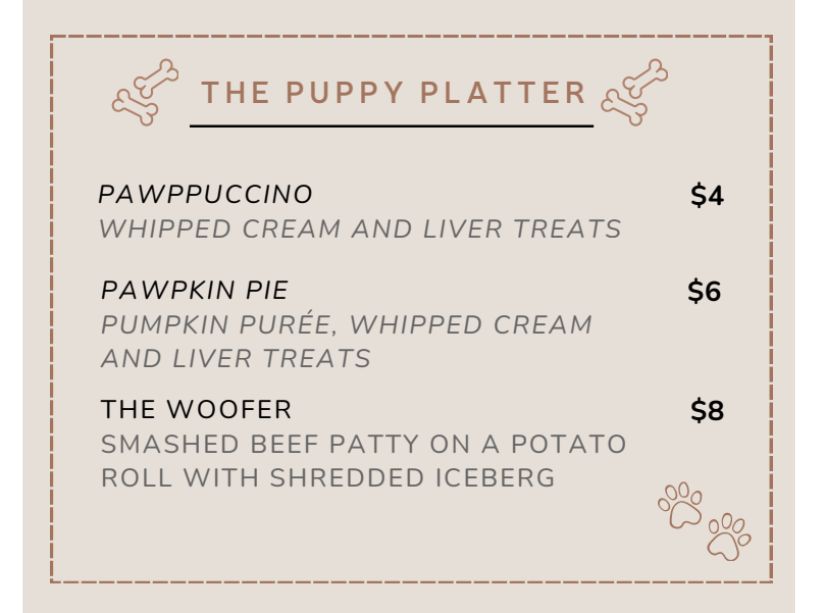
A dog-menu from a Toronto-based restaurant catering to dogs on the patio.
The idea started with a simple observation. Marketing Management Professor Rishad Habib visited a restaurant with a dog menu and got curious. She mentioned it to colleague Julie Kellershohn, professor in the Ted Rogers School of Hospitality and Tourism Management. Together, along with Management PhD student Karun Tangri, they set out to answer a bigger question: does giving dogs their own menu influence consumer behaviour?
Published in the Journal of Culture, Tourism, and Hospitality Research, the study compared two types of restaurant menus. Both allowed dogs on the patio, but only one offered actual food items for dogs.
“To be able to bring your dog into the restaurant and have a menu for the dog means that the restaurant is not just tolerating the presence of your dog; they're actively encouraging it.”
That distinction, Habib found, can have a big impact. “These restaurants are embracing dogs as part of the dining experience, and even as customers.”
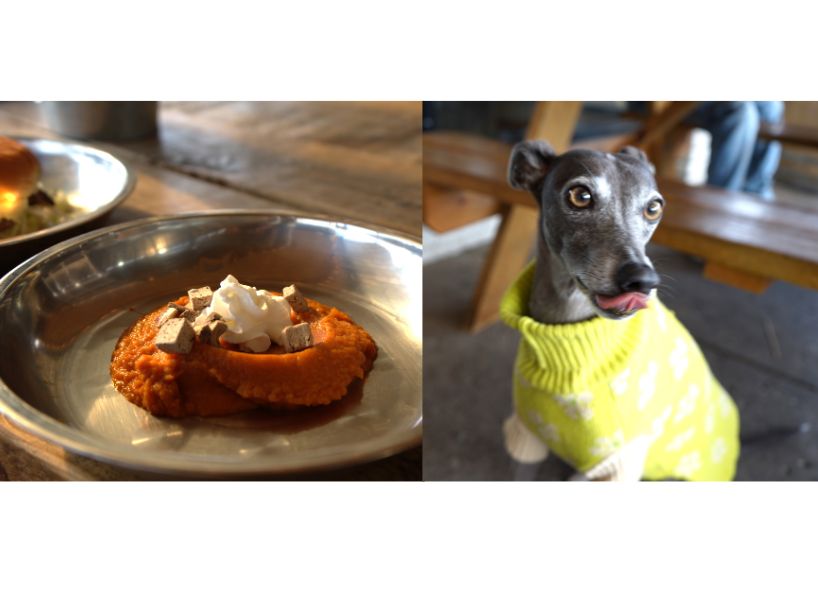
The shift: Restaurants that actively cater to pets signal a higher level of hospitality and inclusivity, strengthening emotional engagement with customers.
Paws for thought
Survey respondents reacted very differently to the two menus. Restaurants with dog-friendly menus increased both spending and word-of-mouth referrals. People were more likely to recommend the restaurant to others and more likely to visit because their dog could order something too.
These types of experiences also offer social media friendly moments that patrons can capture and share broadly with their social networks, and spread the word about a positive restaurant experience.
Habib points out that dogs take centre stage during their owners’ free time. “One of the most common reasons people are walking around outside is to walk their dog,” she says.
Canadians are spending big on pets
The numbers back up the trend. About 60 per cent of Canadians own a pet, and dogs make up about 38 per cent of that. In 2024, Canada’s dog population hit 8.3 million, the same year pet food retail sales topped$6.7 billion.
Most survey respondents said a dog menu enhanced their dining experience, even when it meant spending slightly more. Habib noticed some diners would even order something cheaper for themselves to offset the extra spending on their dog.
“When you look at pet spending, it isn’t surprising to see slightly increased overall spend when a dog menu is added to a restaurant’s offerings,” Habib said.
“Dogs are like kids to most people who own them,” said Habib. “People appreciate a kid-friendly restaurant, and so it makes sense that patrons who own dogs would appreciate a dog-friendly space to enjoy their meals out.”
Not every dog owner is sold
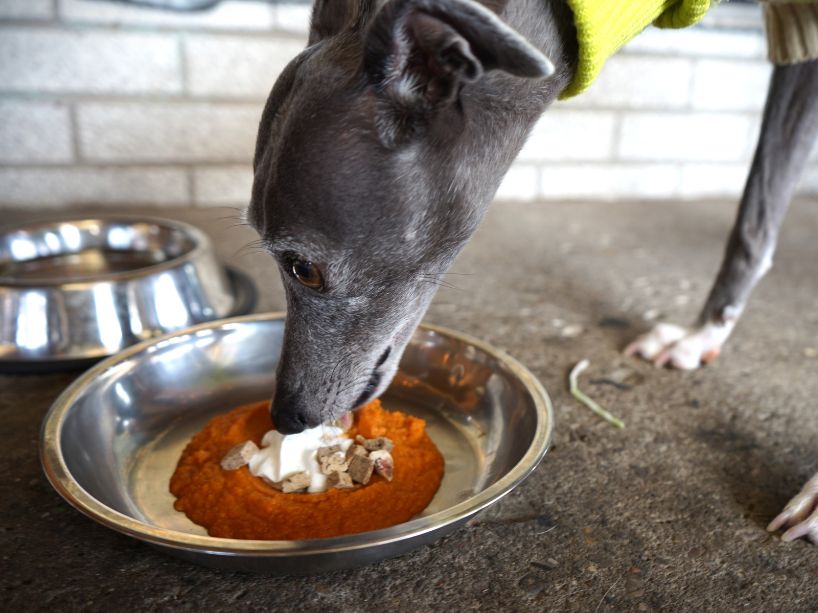
The new study finds that restaurants offering simple additions like dog-specific menu items can significantly increase customer traffic, spending and word-of-mouth.
The research also focused on ”pet parenting styles,” borrowing from the framework of child psychology.
“The pet parenting style approach comes from child parenting styles,” explains Habib. “There's different types of child parenting styles which have been mapped onto dog owners by other researchers who found that they closely resembled one another.”
Dog parents generally fall into two camps: authoritarian or authoritative. Authoritative parents set rules for their pet, but also tune in to the emotional experience of the animal. These are the parents most likely to enjoy a shared restaurant experience.
“These owners care about how their dog is feeling and they are warm towards them,” said Habib. “They still expect them to sit when asked, but are attuned to their animal’s emotions. Those are the parents that really enjoy the idea of bringing their dog to a restaurant.”
Authoritarian owners, who focus more on rules and less on their dogs’ emotional state, tend to find the experience less enjoyable and even stressful.
What’s next for pet-friendly experiences
Even though most pet owners see their dogs as family, research on how pets shape consumer behaviour and hospitality experiences is still limited. Habib’s work adds a data-backed case for restaurants considering the shift.
“We are seeing this as a meaningful revenue strategy, not just a gimmick, and perhaps even a lasting trend,” she said.
She expects dog-friendly experiences to keep expanding into new areas of everyday life, from hospitality to travel and tourism. She believes people want their dogs to have the best life – so why not include them in more experiences?