5 ways conflict in the Middle East could affect Canadians
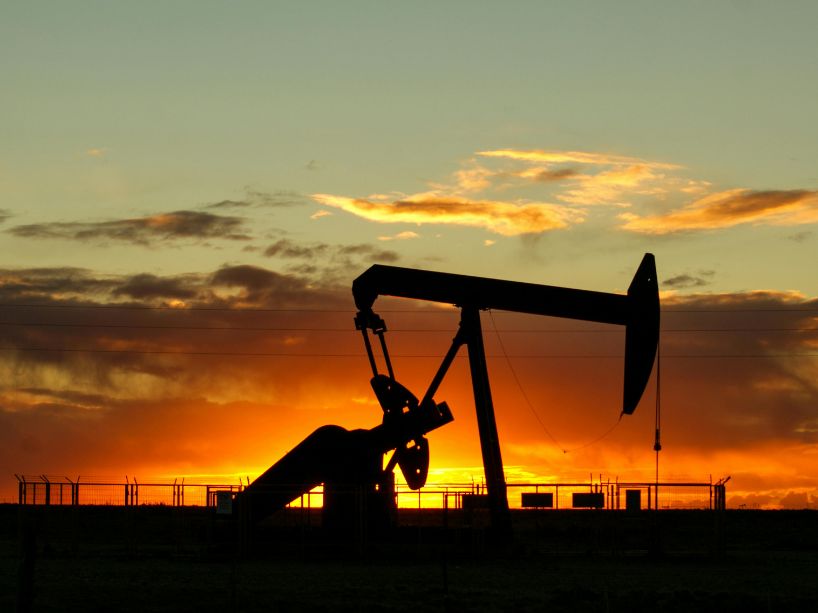
For Canadians, the impact of conflict in the Middle East may feel distant, but TMU experts say the effects could be felt through rising costs, travel disruptions, supply chains and political and social impacts at home.
Here are five things TMU experts say Canadians should pay attention to. The experts are also available for media interviews to expand on these insights:

Christopher Gore is a professor in the department of politics and public administration and the associate dean of research and grant development for the Faculty of Arts.
“Global conflict may end in the near future. But the impact of these conflicts will linger for years to come, shining a bright light on government and citizen energy choices,” says Christopher Gore.
The ongoing conflict in the Middle East has intensified debate over how quickly countries can transition away from fossil fuels and electrify their economies to protect against future supply disruptions.
Gore says those debates matter in Canada and around the world.
In Canada, it raises questions for First Nations communities that rely on diesel as their main energy source, as well as concerns about inconsistent government support and infrastructure for a strong electric vehicle market.
Internationally, some countries are restricting access to cooking fuel and petrol because of supply shortages. Low-income countries are rapidly implementing strategies to increase access to electricity for lighting, cooking and transportation to decrease reliance on oil and gas.
Gore says that betting on global demand for Canadian fossil fuels may pay off in the near future, but diversification is needed for the long term.
Contact for media interviews: Christopher Gore: chris.gore@torontomu.

2. Consumer behaviour and spending habits

Alison Kemper is a professor in the entrepreneurship and strategy department at Ted Rogers School of Management.
“Overall, people will reduce some discretionary spending to be able to afford transportation, food and heat. Depending on how long it goes, it will look a lot like a recession,” says Alison Kemper.
Kemper says demographics will be affected differently. Higher-income households may shift spending towards energy-efficient technologies, such as electric vehicles or home upgrades, to reduce long-term costs.
However, lower-income households may feel a greater strain. With food and housing insecurity already affecting a significant portion of working Canadians, rising fuel and transportation costs could hit hard.
“The closing of the Gulf of Hormuz will make the necessities of daily life in Canada far more expensive, and many people are already without options,” says Kemper. “StatsCan data shows that rates continue to remain high, including housing insecurity, and renters will not be able to afford to heat their houses if fuel prices remain high into the autumn.”
Contact for media interviews: Alison Kemper: akemper@torontomu.ca
3. Supply chains and everyday expenses

Vik Singh is a professor in the global management studies program at the Ted Rogers School of Management.
“Fuel shortages from the Iran conflict have broader implications for Canadians than just higher prices,” says Vik Singh.
Disruptions at the Strait of Hormuz, a vital route for global oil shipments, have led to reduced vessel traffic and a surge in oil prices. Singh says the main effects stem from disrupted shipping routes, tighter global supply, higher freight costs and knock-on impacts on inflation and consumer confidence.
Canada’s exposure to these disruptions is complex. While higher oil prices can benefit domestic producers and governments, Canadian households and businesses may still face higher costs for gasoline, diesel, airfare and transportation.
Singh says the main question is whether ongoing conflict will continue to raise Canadians’ daily costs and affect trade and supply chains.
“High fuel prices increase the cost of transporting goods, affecting importers, retailers, manufacturers and food distributors. Even people who rarely drive pay more for groceries, goods, deliveries and travel. This is both an energy supply issue and an additional source of inflation,” says Singh.
Contact for media interviews: Vik Singh: vik.singh@torontomu.ca
4. Travel disruptions and rising costs

Frédéric Dimanche (left) and Wayne Smith are both professors in hospitality and tourism.
“The impacts are beginning to be severe,” says Frédéric Dimanche. “Should the war continue, fuel shortages may spread and lead to flight cancellations during the upcoming summer travel season.”
The conflict in the Middle East has disrupted the tourism and airline industry, with jet fuel costs rising significantly and forcing airlines to adjust operations.
Dimanche says impacts include widespread flight cancellations, fare hikes and route cuts across Europe, Asia and the Middle East. Major airlines have raised fares or increased fuel surcharges, while some have already cancelled flights as a precaution.
From a tourism perspective, the crisis has disrupted major travel hubs and has led some destinations to notice significant drops in tourist arrivals.
“As a result, prices are likely to increase, and travellers will adjust their behaviour to find destinations and travel experiences that fit their budget. They may cut the number of days travelling, or choose to lower accommodation, dining and entertainment expenses,” says Dimanche.
Aviation cost pressures and government response
The distribution in the aviation industry has prompted the Canadian government to temporarily suspend the federal fuel excise tax on gasoline, diesel and aviation fuel. “While this has provided a small cushion, the global market price for jet fuel remains near record highs due to the ongoing closure of the Strait of Hormuz,” says Wayne Smith.
Contact for media interviews:
Frédéric Dimanche: fdimanche@torontomu.ca
Wayne Smith: wayne.smith@torontomu.ca
5. Political and social impacts in Canada
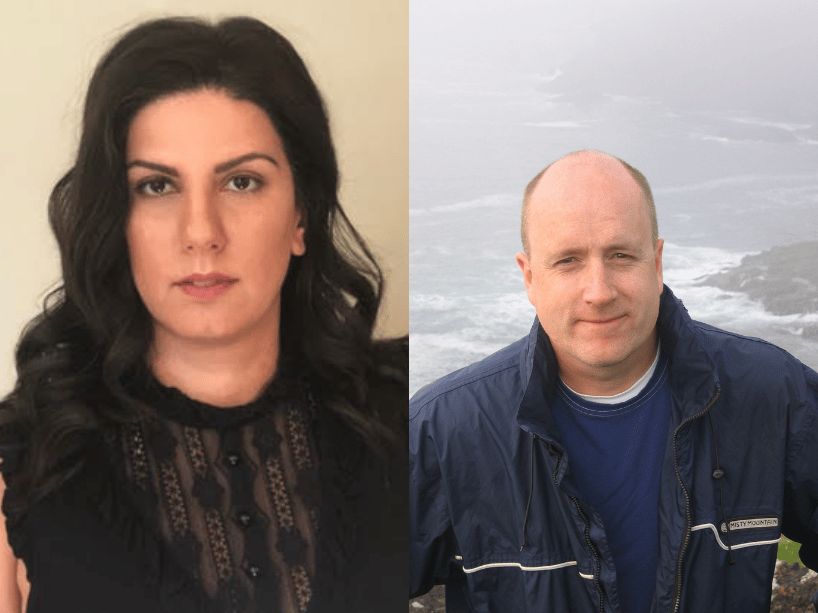
Maral Karimi (left) is a lecturer in the department of politics and public administration. Arne Kislenko is a professor in the department of history.
“Questions of security, speech and political belonging are no longer easily separated from events abroad,” says Maral Karimi.
Karimi says the conflict is also affecting Canadians closer to home, particularly within Iranian-Canadian communities navigating strain across family networks, financial pressures and competing political expectations.
Historically, patterns of transnational repression intensify during wartime, leading to fragmentation rather than cohesion within the diaspora.
These dynamics can also narrow public discourse, making nuanced and reasoned debate more difficult.
“The result is a more constrained discursive space, where the conditions for reasoned debate and
consensus-building are weakened, and critical perspectives become harder to sustain,” says Karimi. “These dynamics are unlikely to remedy themselves without targeted mediation and deliberate policy responses, including stronger monitoring and enforcement against transnational repression, clearer institutional protections for academic and political expression and more structured engagement with diverse Iranian-Canadian communities.”
International relations
“In many ways, the U.S. and Israeli war against Iran represents a major turning point in international relations,” says Arne Kislenko.
Kislenko says one of the key issues to consider is that regional tensions, already at a high point, may get worse given uncertainties around military and political objectives.
That uncertainty, he says, has also affected international relations and shaped public opinion in many countries, viewing the war as unnecessary or illegal, undermining confidence in a global order.
Alliances like NATO and long-standing partnerships — already frayed by Trump’s tariff policies and aggressive foreign policy postures — have been further strained.
“International diplomacy seems to have been displaced by a return to a ‘might makes right’ mentality — which, with history as a guide, has never truly achieved security or peace,” he says. “Despite the rhetoric, there is no tangible ‘victory' to show for any party to this war. Even with a fragile ‘truce’ in place, the only thing gained is more animosity, fear and the prospect of future conflict.”
Contact for media interviews:
Maral Karimi: maral.karimi@torontomu.ca
Arne Kislenko: akislenk@torontomu.ca