How TMU’s co-op programs launch students from classroom to career success
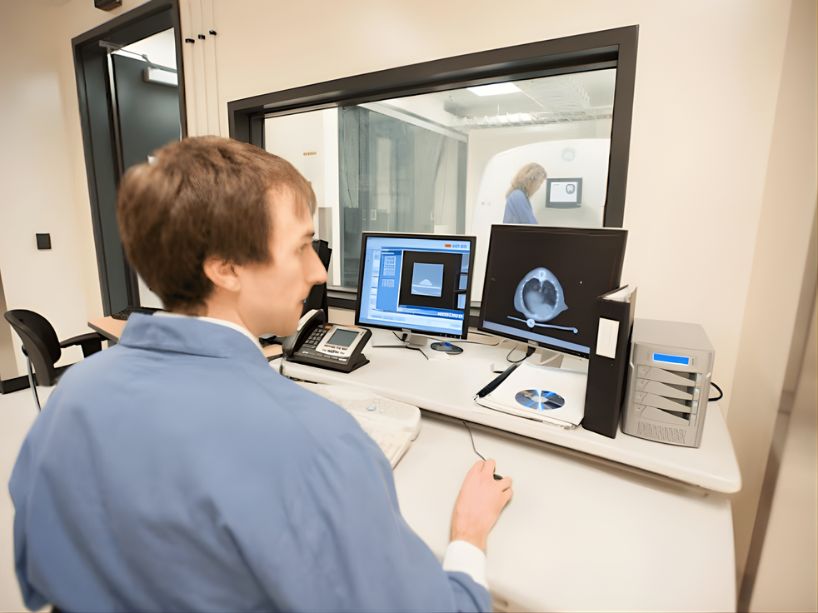
Starting a career can feel overwhelming. For many university students, the gap between what they learn in class and what employers expect can seem hard to cross.
Toronto Metropolitan University’s co-op programs are designed to close that gap. Through paid work terms, students build experience, expand their professional networks and figure out what kind of work suits them – all before they graduate.
Co-op is available to students across the Faculty of Arts, Faculty of Community Services, Faculty of Engineering and Architectural Science, Faculty of Science, Ted Rogers School of Management and The Creative School.
For students like Olamide Oyateru and Maxime O’Toole, their co-op placements were more than a line on their resumes – they were turning points.
“Co-op can help you figure out what you might like or not like to do after you graduate, as well as make connections within your field,” says O’Toole.
From navigating high-stakes hospital environments to adapting to unpredictable situations, their placements offered a firsthand look at what it means to step into the professional world.
From classroom to operating room
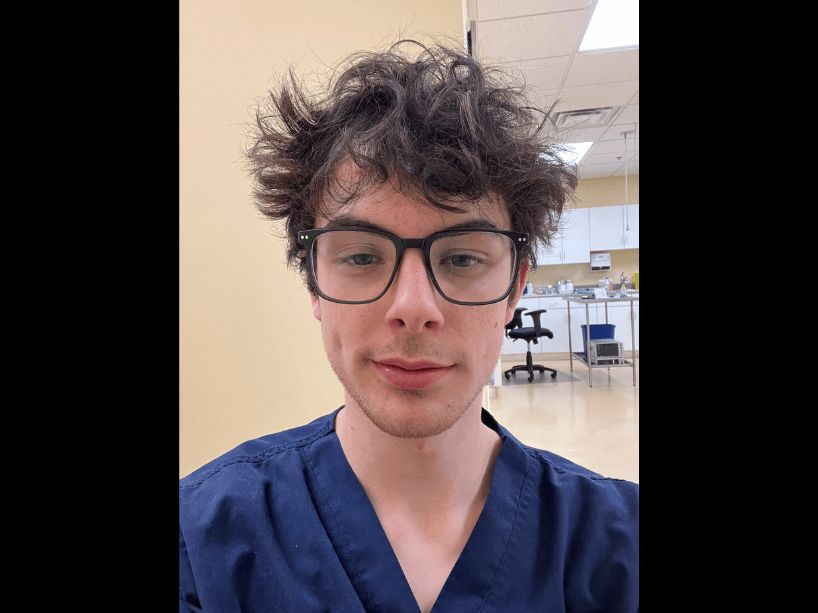
Fourth-year biomedical science student Maxime O'Toole completed his co-op at Toronto General Hospital.
O’Toole, the fourth-year Biomedical Science student has always been drawn to science, but wasn’t sure whether a hospital environment was right for him.
As a clinical assistant with University Health Network (UHN), he worked at Toronto General Hospital’s Ajmera Transplant Centre on the Islet Cell Transplant team, supporting procedures that help treat patients with Type 1 diabetes.
“When I first started, I felt extremely lucky to have gotten this opportunity but also very anxious. I had worked in a clinical setting before but not at a hospital of this scale. The most nerve-wracking part was having to work in the OR (operating room),” says O’Toole.
In the operating room, O’Toole prepared the space before procedures, assisted the team during isolations and made sure all materials met Health Canada inspection standards. When procedures weren’t underway, he managed inventory and restocked supplies.
Learning to juggle it all
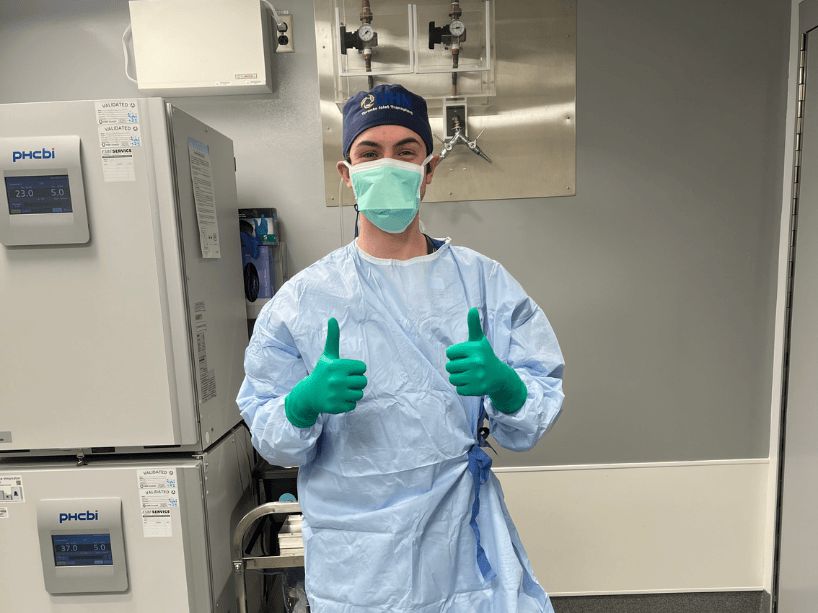
O'Toole says working in a high-stakes clinical environment taught him to multitask under pressure.
The OR is a high-pressure environment. Everything done there must be precise.
“Anything you do in the OR has to be done with care and intent, or you might risk the health of a patient,” says O’Toole. “During the isolation, I usually had five things to do at a time and at least two different people asking me for something.”
Over time, working in the OR became second nature for O’Toole – and he learned his most valuable skill: Multitasking.
The placement also gave O'Toole a personal sense of purpose.
“Coming from a household with two diabetics, it's easy for me to see how it can affect your day-to-day life. It was always nice to hear about the patients who were doing well after an infusion knowing that their life got a little bit easier,” says O’Toole. “I am still open to other types of opportunities but I would say that I am confident that I’m in the right field.”
Adapting on the fly
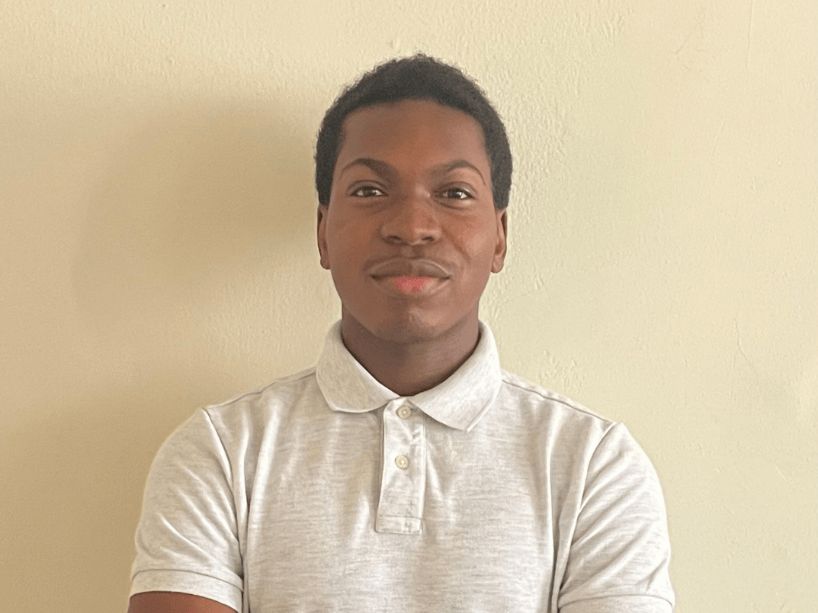
Third-year public health student Olamide Oyateru completed his co-op as an environmental health and safety coordinator.
Oyateru’s co-op placement as an Environmental Health and Safety Coordinator at NextStar Energy pushed him into unfamiliar territory – and helped him grow because of it.
His first week on the job felt surreal.
“The standards NextStar has set for itself and the people who represent it are unlike anything I’ve ever witnessed or been a part of,” he says. “In that first week, I learned so much about the company’s background, its everyday goals and the different roles and processes. It made me question whether I could meet the expectations placed on me as a co-op student.”
No two days were the same. Some days he ran audit inspections to check environmental and worker safety compliance. Others, he collaborated with fellow co-op students to improve systems for current and future employees.
As his placement went on, that early sense of self-doubt gave way to confidence – thanks to a supportive manager.
“My manager guided me through the various tasks assigned to me. She consistently welcomed my questions and encouraged me to seek clarification whenever needed,” says Oyateru. “Rather than discouraging mistakes, she emphasized that they were part of the learning process and motivated me to approach challenges with confidence.”
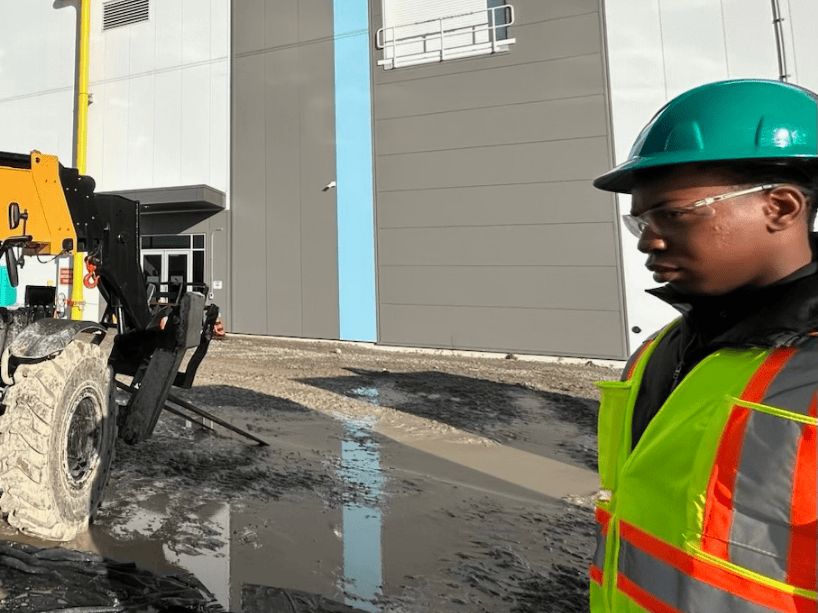
Oyateru says his co-op helped him develop adaptability – a skill he'll carry into his public health career.
One of his biggest challenges was handling tasks he hadn't encountered before.
“The days here at NextStar bring different tasks, tasks that involve responsibilities I am sometimes unfamiliar with or that are highly situational,” says Oyateru. “A skill I’ve developed and constantly honed during my co-op is being adaptive and flexible.”
While the role wasn’t his long-term goal, Oyateru says it brought him closer to where he wants to go – and gave him the skills to get there.
Why co-op
Gain up to 16 or 20 months of full-time, paid professional experience before you graduate (depending on your program)
Build your professional network.
Develop your skills & abilities.
Discover which jobs and industries are a good fit for you and your career goals.
Improve your employment prospects and earnings on graduation.
The Career, Co-op & Student Success Centre prepares students and connects them with employers who are seeking new perspectives and fresh ideas. Every co-op student starts their journey with a preparatory program where they receive training to build their skills and personalized coaching for job preparation.
“I would definitely say that if you can do co-op, you should do it. From the start, you receive so much support from your co-op peer advisor and program specialist. It makes the job search much more manageable,” says O’Toole.
For students considering the program, the first step is finding out the application timelines for their program of study on the co-op webpage.
Related stories: