How a TMU prof is putting climate research in the hands of citizens
Climate change hits Toronto hard, through heat waves, flooding and worsening air quality. And the communities hit hardest are usually the ones with the least say in how cities respond.
Jasmin Bhawra wants to change that.
The TMU public health professor is using digital tools to bring underrepresented communities into climate research on their terms and on their own time.
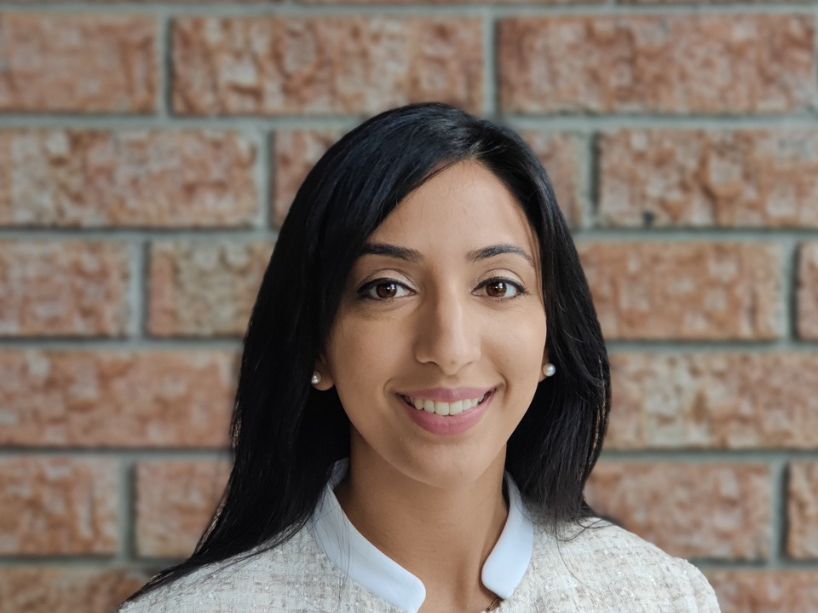
Jasmin Bhawra is a professor at TMU’s school of occupational and public health. In 2022, Bhawra founded the CHANGE Research Lab at TMU and is the principal investigator of Climate Care Toronto, which focuses on equitable climate action and health in urban communities.
Listening to real people, not just data
Her work has led to her appointment as a member of the Expert Panel on the State of Citizen Science in Canada at the Council of Canadian Academies (CCA), which has been tasked by Public Services and Procurement Canada to answer the question: what is the current state of citizen science in Canada and how does it compare internationally?
Citizen science really means research that treats everyday people as partners, not just study subjects. Rather than relying solely on surveys and lab results, she works directly with communities to shape research questions and priorities from the start.
“With community-based participatory research, citizens are not passive participants, we look at them as true partners and co-creators in our research,” says Bhawra. “We engage with them as stakeholders who help inform research questions, determine research project priorities and involve them throughout the research process.”
This matters because it ensures findings are actually useful to the people they affect.
Breaking down barriers with technology
Bhawra’s research also involves working with rural and remote communities where participants may face geographical barriers to participating in research.
That’s where digital tools come in. With her Climate Care Toronto project, she uses online surveys, video calls and a custom platform to reach people where they are.
“Using digital tools allows us to engage them at their convenience,” says Bhawra. “It means people who are typically not part of research have a chance to be part of a variety of community health projects.”
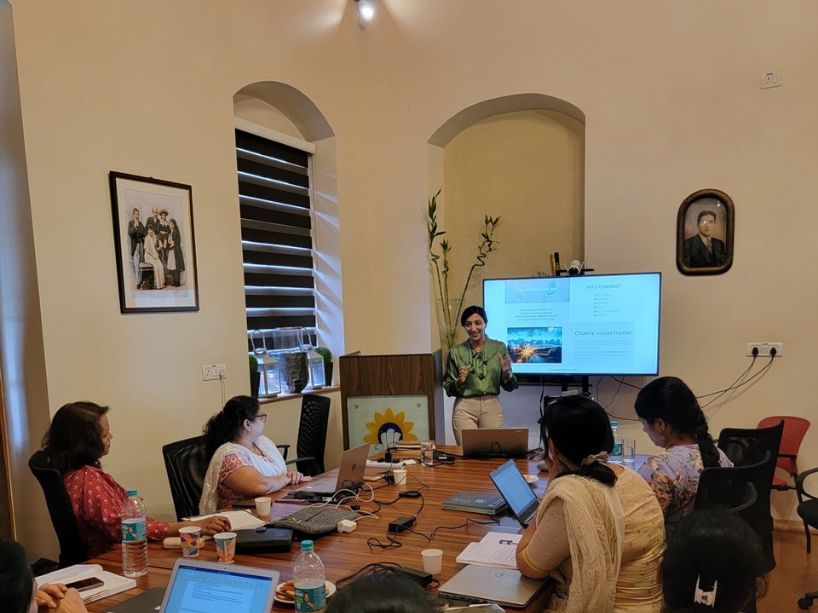
Jasmin Bhawra doing an international presentation about citizen science research conducted by the CHANGE Research Lab.
An app built for communities
At the centre of Bhawra’s work is a digital app originally developed during the COVID-19 pandemic to help northern communities get timely health information. She’s now adapting it for climate change.
“We're no longer just doing data collection with digital platforms – that same platform can be designed for real-time engagement and response to help create awareness and send out alerts about extreme weather events,” says Bhawra. “At their convenience, citizens will be able to log into the app, report local issues, and make informed decisions about their community and health.”
Bhawra is currently in pilot testing, using the Climate Care Toronto project as a prototype.
Starting with communities in Rexdale, Etobicoke and Scarborough, Bhawra is conducting community consultations and a needs assessment to understand how the app can be customized for local priorities.
A key feature of the platform, Bhawra notes, is data sovereignty. Unlike many commercial apps, this one will give users control over how their data is stored or used.
“When we co-create these platforms in collaboration with the communities we intend to serve, we’re able to make decisions in a way that citizens own their own data,” says Bhawra.
Why this research matters
When thinking about the impact of her research, Bhawra has two main goals: to empower citizens and communities and to bring hope to people.
“I hope that people who typically don't participate in research, or who conventionally might not have been part of a climate change health project, are encouraged and able to see themselves in this work,” says Bhawra. “Bringing people together and amplifying community voices through an initiative like this can also alleviate some of those stresses and anxieties to address the growing mental health impacts of climate change.”
Visit the CHANGE Research Lab (external link) to get involved.