Your matcha habit could be making you more tired
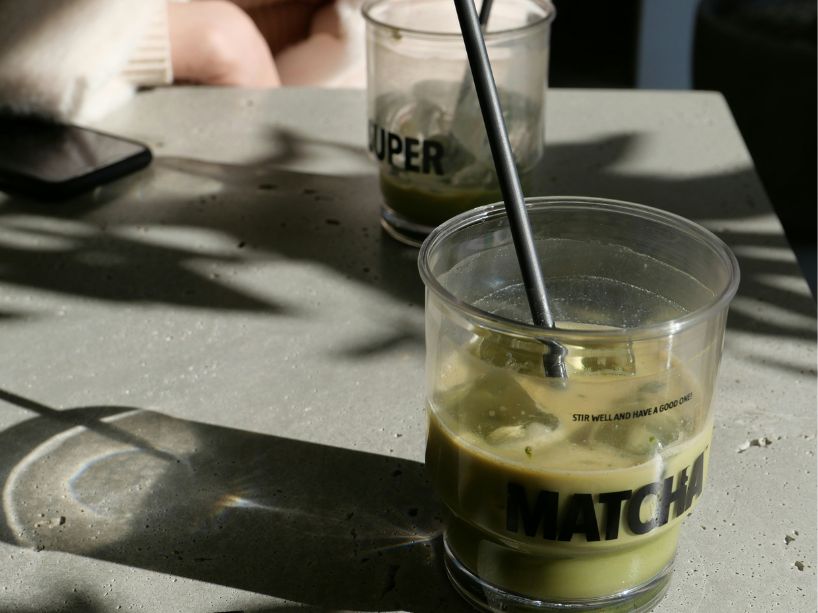
Iron intake isn’t always top of mind for students juggling classes, part-time jobs, and late-night study sessions. For Wellbeing Week, School of Nutrition Professor Jenn Lee explains the risks posed by matcha and other drinks to iron levels. Photo by Hyoshin Choi on Unsplash
It’s 2 p.m. and you’re leaving lecture and heading to tutorial to present a project. The perfect time to perk up with an iced matcha latte.
Turns out, that might be counterproductive.
“Matcha and green tea—and coffee to a lesser extent—are high in compounds called tannins, which block your body’s ability to absorb plant-based iron,” says Jenn Lee, professor at TMU’s School of Nutrition and registered dietician.
Lee researches environmental factors like nutrition policies that can shape our diets and dietary behaviours, and develops communication tools to promote healthier diets.
For Wellbeing Week (Oct. 20-24), Lee is sharing some tips on mindful eating and drinking to boost energy.
Why iron matters

Jenn Lee is an assistant professor in the School of Nutrition. As a public health nutrition researcher her focus is on how food policies, environments and nutrition literacy shape population diets and public health.
Iron keeps your body running. It creates hemoglobin, the protein in your blood that carries oxygen from your lungs to the rest of your body.
Without enough iron, you’ll feel the effects quickly.
“Some symptoms of iron deficiency include fatigue, restlessness, irritability and a general feeling of being unwell,” Lee explains.
Sound familiar? With classes, part-time jobs and late-night study sessions, many students already feel this way. Low iron could be making it worse.
Female students face higher risk because of menstruation. Vegetarians and vegans are also more vulnerable since they rely on non-heme iron from plant-based sources like spinach, which is harder to absorb than the heme iron found in meat.
The bitter truth about matcha
Here’s where your matcha habit comes in.
“Tannins from matcha interfere with how your body processes non-heme iron,” explains Lee.
If you drink matcha with or right after meals, it can significantly reduce how much iron your body absorbs from your meal.
People who rely on plant-based foods as their main source of iron are at higher risk for deficiency, she explains.
It’s not just matcha

Iron is essential for creating hemoglobin and myoglobin, which carry oxygen throughout the body, and it supports energy production, growth, brain function, muscle and organ health, cellular processes and the immune system. Photo by Thirdman from Pexels
Other trendy drinks like dirty sodas pose different problems. Along with other high sugar content drinks, they can cause quick energy spikes followed by crashes. Plus, many lack clear nutritional labels, so you don’t know how much sugar you’re actually consuming.
“You’re satisfying your hunger but not necessarily thinking about the foods your body needs to stay energized and nourished,” Lee says.
During busier periods, students may skip meals or rely on grab-and-go drinks – exactly when your body needs energy the most.
How to enjoy matcha without the downside
Lee says that balance and awareness are key.
“Beverages like matcha can absolutely be part of that enjoyment,” she says, noting that drinks serve a social role too, like catching up with friends at a local café.
Her tips for smarter matcha drinking:
Time it right. Matcha is best enjoyed at least two hours after a meal to mitigate the risk to iron levels since tannins can hinder absorption if consumed with meals. “Try to time it so that you give your body enough time to metabolize the iron and nutrients from your last meal,” she advises.
Watch the clock. “Avoid matcha late in the day. Caffeine can affect your sleep, which impacts energy levels.
Learn more. “We live in an information era, so take charge of your well-being and make informed choices.”
She suggests attending ‘Learn to Cook’ workshops for credible nutrition information. The collaborative program between the School of Nutrition, Student Health and Wellbeing as well as the Recreation & Active Wellbeing hosts cooking events for students interested in learning how to make healthy and affordable meals.
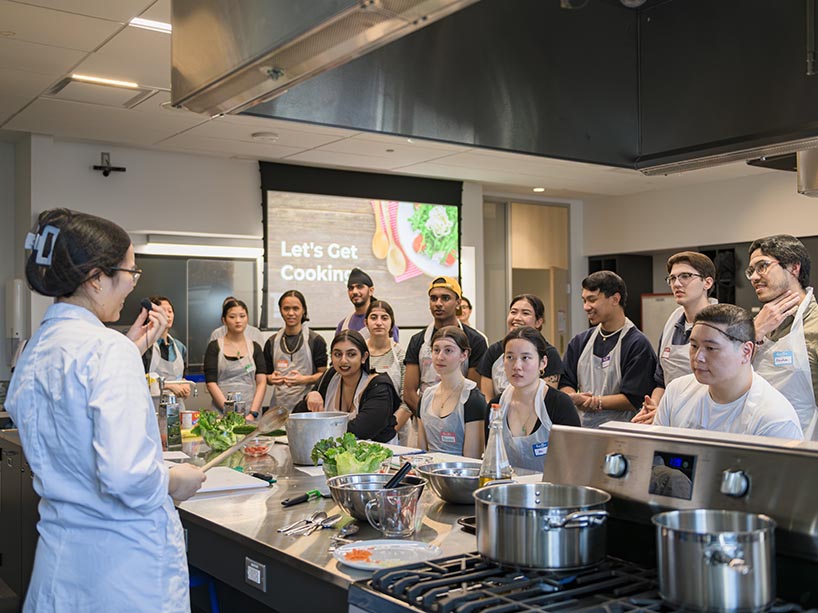
School of Nutrition graduate students teach undergrad students important cooking skills and techniques in TMU’s state-of-the-art Food Service Lab. Photo credit: Alyssa K. Faoro
As for her own afternoon slump? Lee switched to decaffeinated coffee. “It seems to have tricked my body into feeling energized anyways.”
Related stories: