New faculty hires

Get to know the newest professors in the Faculty of Community Services!
Daphne Cockwell School of Nursing

Areas of expertise: Women’s health; Food and housing insecurity; Working with vulnerable populations; Refugees and immigrants research; Social justice; Critical qualitative research; Intersectionality; International health research collaboration.
What are you most looking forward to in your new role? I believe that engaging in research and teaching should have the ultimate goal of making a change to the research, the people and community involved, and the professional values of researchers. This can be achieved by gaining new knowledge and skills in communicating with the community, patients, and health and service providers. I am looking forward to fostering diversity, resilience, and better healthcare for equity deserving groups including immigrant and refugee women.
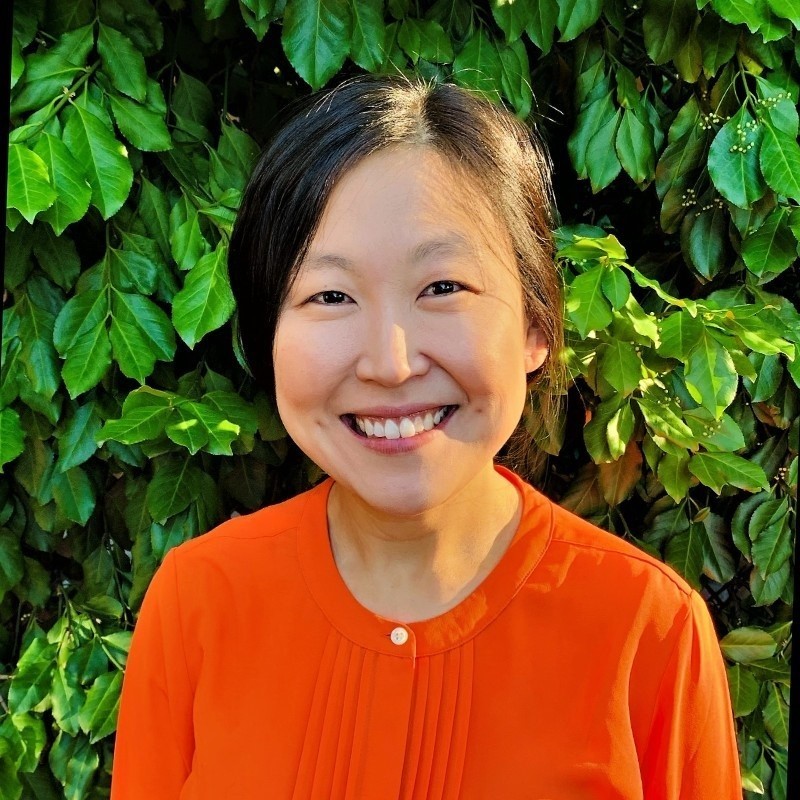
Areas of expertise: Integrated care; Health services evaluation and implementation research; Organizational capability in trauma-informed approaches and workforce resiliency; Integrated concurrent mental health and substance use treatment pathways.
What impact do you hope to have on research? Evaluating the structures and processes that support better, more integrated care for people and communities, especially for whom the system does not work well, is an essential aspect of a learning health system. It is my hope to contribute to this important area of research at TMU to inform policy and delivery of integrated social and health care rooted in evidence of what works and doesn't work for our communities.
School of Child and Youth Care
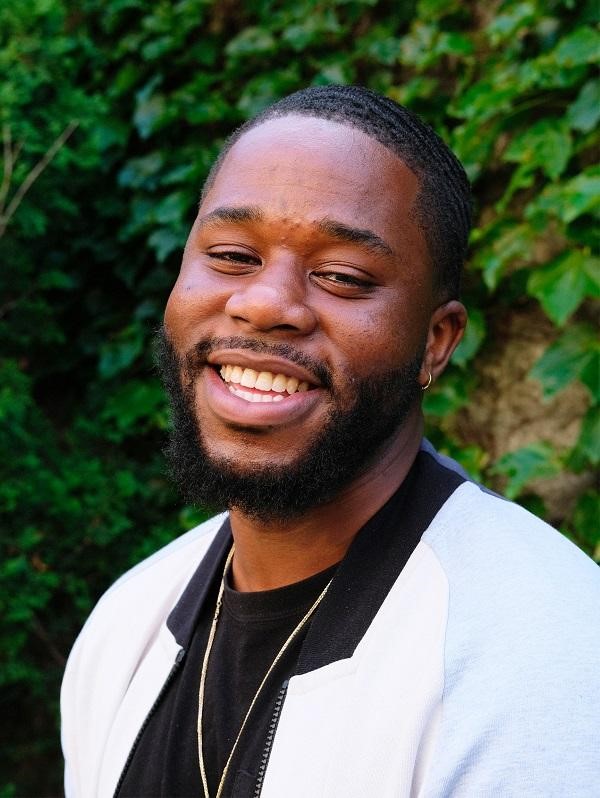
Areas of expertise: Black youth and families; Child welfare; Anti-Black racism; Structural racism; Qualitative research.
What are you most looking forward to in your new role? I am most looking forward to connecting with the students! Getting to create a space of co-learning among eager and passionate practitioners is the most fulfilling part of teaching.
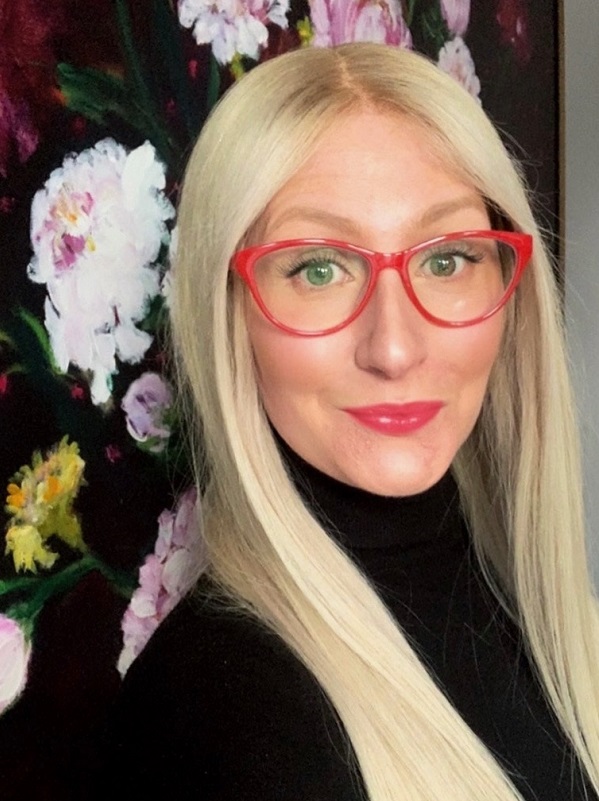
Areas of expertise: Youth justice; Sex and empire; International relations and political theory; Decoloniality; Epistemological violence; Research methodologies; Philosophy of law.
What impact do you hope to have on research? My research is guided by feminist and decolonial ethical principles. I am guided by a desire to undertake research to understand how knowledge is directed by a set of philosophical assumptions about the world and how knowledge is produced, valued, and shared. More so, my pedagogical approaches seek to expose students to how social, legal, and political epistemologies are also guided by certain ethical aspects key to social transformation, thus, centering critical insights of the power/knowledge/coloniality nexus and the possibility of transformative action and thought.
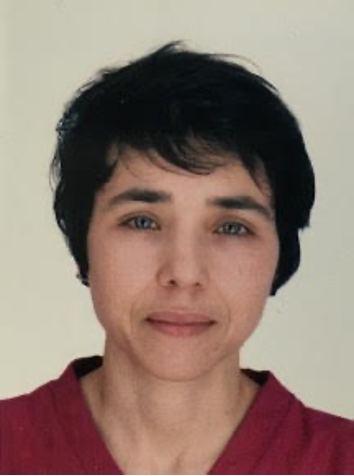
Areas of expertise: Human service policy and program planning and evaluation; Wellbeing/mental health and protection of orphaned, separated, and unaccompanied children and youth; Child supervision and neglect cross-culturally; Ethics and methods in research with children; Access to human services for immigrants and refugees.
What impact do you hope to have on teaching? I aim to inspire and support young and emerging researchers and evaluators in human services in Canada, and in low- and middle-income countries, to generate and use quality information for the wellbeing of children and families.
Midwifery Education Program
Areas of expertise: Management of obstetrical emergencies in out-of-hospital and remote birth settings; Continuing Professional Development (CPD) content design; Midwifery Registration Exam item writing and validation; Medico-legal expert witness reviews; Interprofessional education.
What impact do you hope to have on teaching? I hope to have the opportunity to develop a peer support network for first generation academics who have not had prior exposure to academia. My dream is to impart, in future midwifery students, a confidence in academics that it has taken me a lifetime to acquire. I am unwaveringly committed to the success of all midwifery students, and as part of my commitment to diversifying midwifery across the country, I am fueled by the desire to support first-generation academics on their paths to the successful completion of the program.
School of Nutrition
Areas of expertise: Pediatric nutrition; Nutritional epidemiology; Research methods.
What are you most looking forward to in your new role? I am looking forward to expanding my teaching methods, engaging in self-reflective opportunities, and creating a learning environment that builds confidence in my students. As a clinician researcher and teacher of future regulated health care providers, I feel it is my responsibility to deepen my self-awareness and understanding of health behaviours to better support my students and optimize their learning environment.
School of Occupational and Public Health
Areas of expertise: Digital and e-health; Digital citizen science; Mixed methods; Program and policy evaluation; Public health nutrition.
What impact do you hope to have on research? Research provides an incredible opportunity to bridge gaps in knowledge and enable public access to tools for good health. Building on my Banting Postdoctoral Fellowship, I started the CHANGE Research Lab (external link) which works with citizens to improve community health. My work focuses on addressing population health issues facing communities here and abroad. Using digital tools, I partner with communities to amplify citizen voices which can be used to inform timely and sustainable solutions to many of the population health problems we currently face.
Areas of expertise: Indigenous health and well-being; Environmental health; Hazard and risk assessment; Exposures to metals and environmental pollutants; Geographic information systems; Coding.
What impact do you hope to have on research? I look forward to establishing a research program that places health decisions in the hands of Indigenous community participants using community-based input, rather than solely from an outside Western perspective, and passing this knowledge on to new students. I am also driven by a career end goal that research in Indigenous communities in Canada will be led mainly by Indigenous scholars and researchers from and in their communities. I hope to be a small part of facilitating this outcome when working for our community participants.
School of Social Work
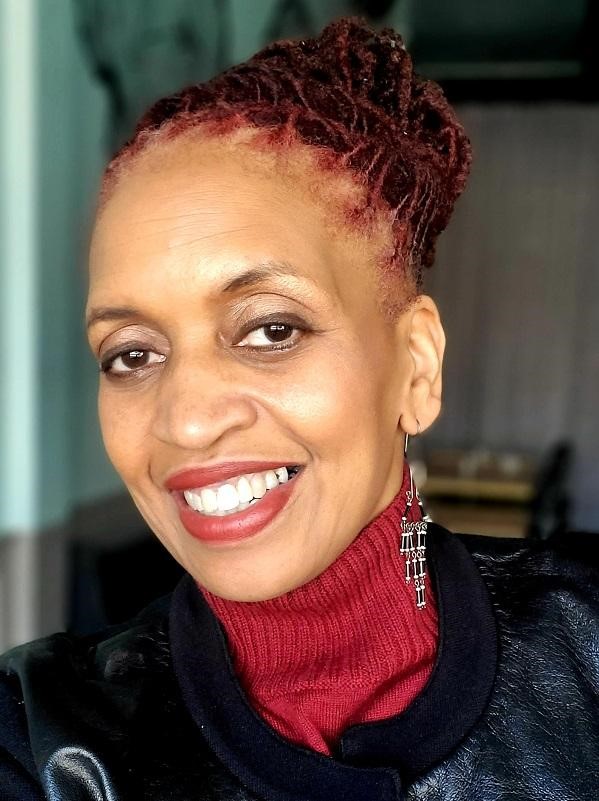
Areas of expertise: Black feminist/womanist/Africana epistemologies; Womanist/African-centered pedagogy; Black women and HIV/AIDS leadership; Structural vulnerability and equity; Black spatial/public humanities; The Black social work movement; Cultural memory work.
What are you most looking forward to in your new role? It is a dynamic time to be joining the TMU greater community! I am honored to engage with the visionary leaders of tomorrow as we re-imagine knowledge production, agency and identity. I represent my family’s 12 generations of aspirations over 400 years as the first college graduate and immigrant to Canada. I believe the collective memories of stolen lands and stolen peoples have been reconstituted to assure liberatory structural pathways where all humanity and our ecological villages are valued. TMU is at this tipping point, and I’m here to be in collaboration as it unfolds!
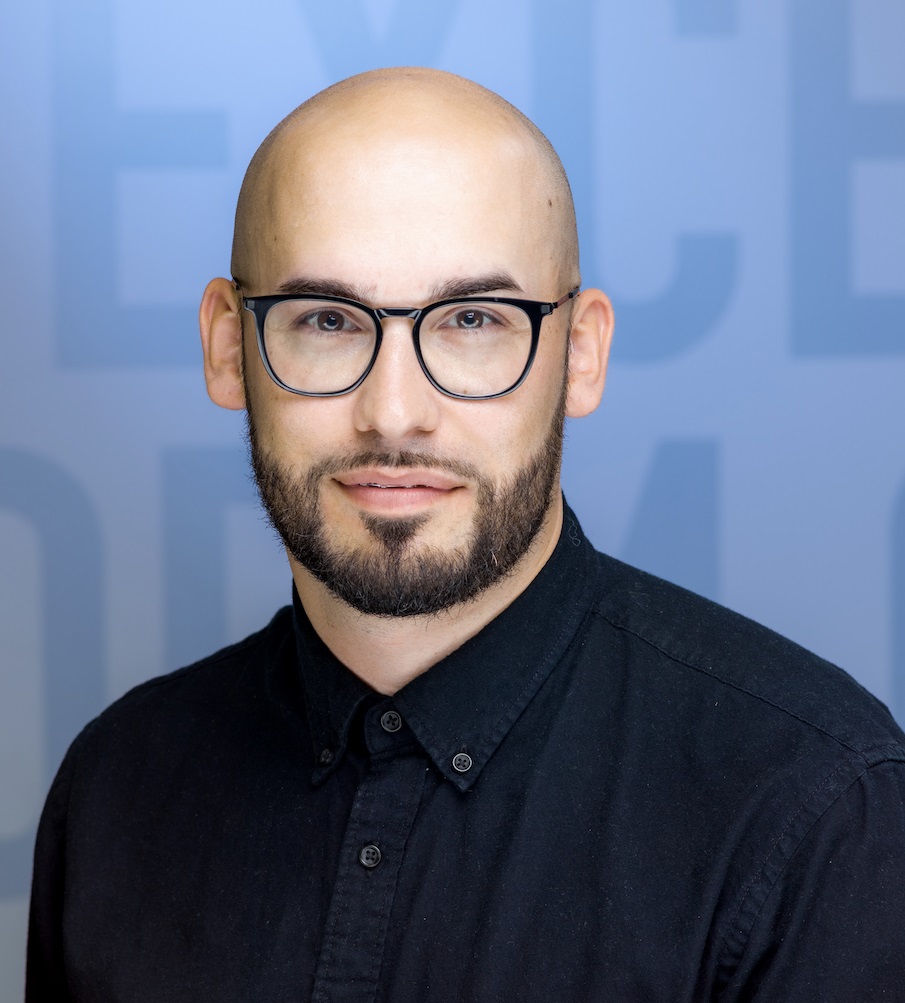
Areas of expertise: Indigenous studies; Critical social work practices; Urban Indigenous identities; Digital culture and society; Anti-Indigenous racism; Qualitative research; Colonial and decolonization theories.
What impact do you hope to have on teaching? In my teaching, I strive to foster an environment for students to see the connections that make up themselves and extend from themselves to the rest of creation. They can see the relationship, for example, that exists between themselves and their fellow students or between themselves and Indigenous communities (or any other communities or topics of study). This, in turn, creates a sense of community and works towards not only a co-creation of knowledge but tangible relationships based on Indigenous teachings of self-determination, non-interference and permission, concepts and practices that help guide us to relationships based on mutual liberation. An emancipatory cause that not only welcomes but creates space for all people regardless of ability, class, race, gender, sexuality, or culture.
Building genuine relationships with the self and others is an integral part of my teaching and finding ways to engage in a more embodied learning experience with students. In the courses I teach, this has meant finding ways to move beyond the standard classroom instruction style and connect the head to the heart and our bodies to the rest of the world.
School of Urban and Regional Planning
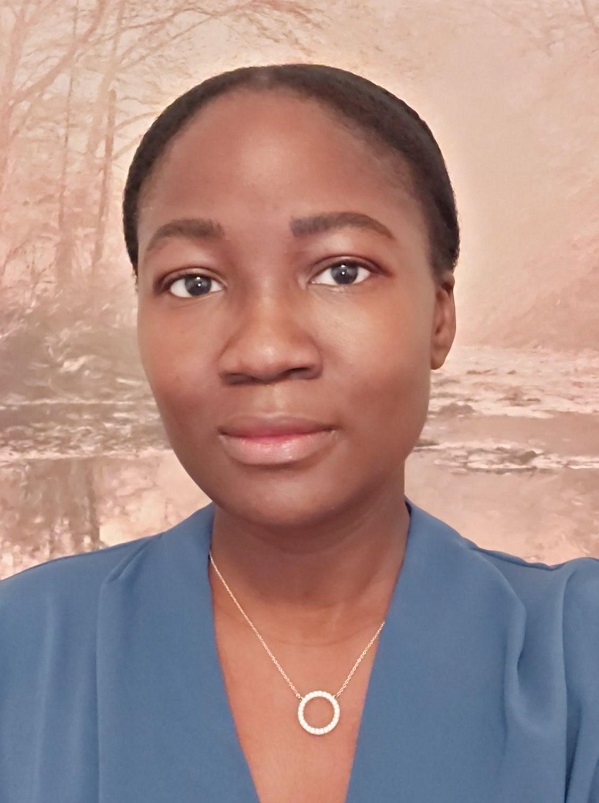
Areas of expertise: Data analytics; Mobility; Land-use.
What are you most looking forward to in your new role? I'm looking forward to engaging my students as persons and hopefully to inspire them to explore how education and knowledge go beyond the pragmatic. I also hope to myself be impacted in this role to deepen my passion for discovery and engagement.