Projects and Programs
Featured projects
Forecasting and Modeling of Distributed Energy Resources, and Models for Distributed System Operator Planning and Operation – Hydro One, Peak Power, Natural Sciences and Engineering Research Council (NSERC) and Mitacs
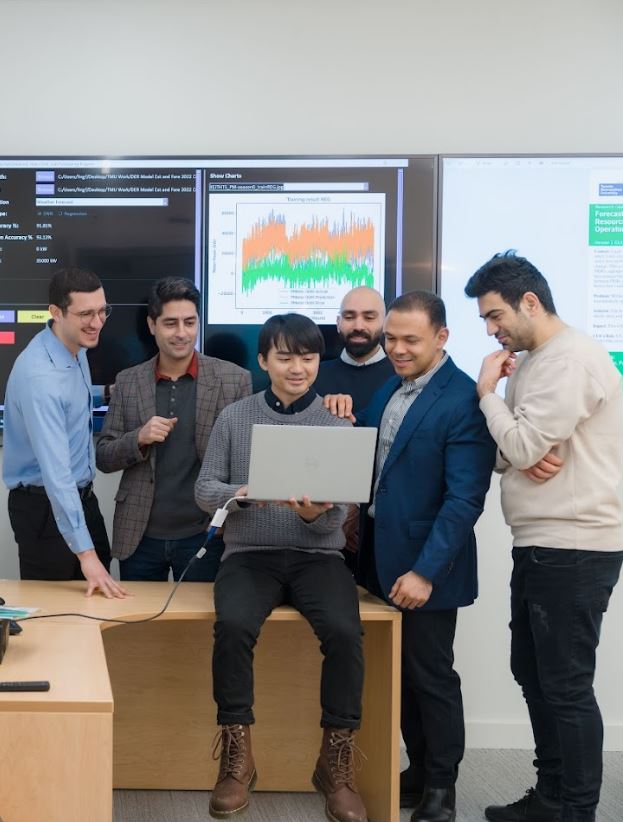
Integrating distributed energy resources (DERs) such as renewables, storage and smart loads into electric power distribution systems is essential for deep electrification and energy transition to a zero-carbon 2050 future. However, predicting, modelling and managing a distribution system connecting innumerable small, intermittent DERs is a challenging task.
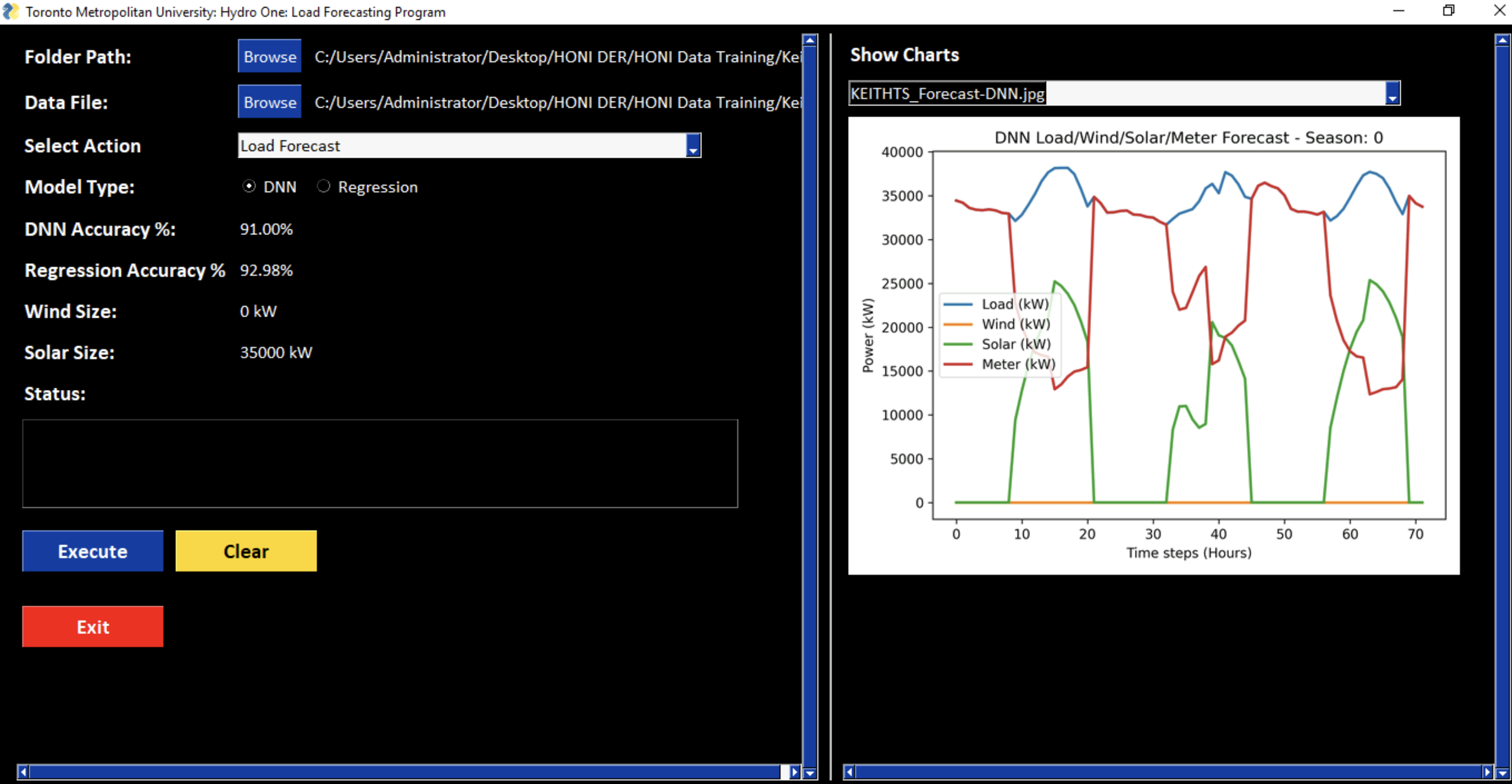
To meet this challenge, CUE has developed aggregate DER models at the distribution feeder level for estimating, forecasting, and engineering studies (steady state and transient). In addition, distribution system operator (DSO) models are being developed. These efforts have resulted in the creation of 12 technical reports and four software modules to date. These tools are poised to enhance operational capabilities, improve grid resilience, and support the integration of DERs, making a measurable impact on the path to a sustainable energy future.
The project is supported by Hydro One and the joint NSERC Alliance and Mitacs Accelerate program.
| 2024 team | 2 postdoctoral fellows, 1 research associate, 7 PhD students, 1 MASc student |
| Timeline | 2022-2027 |
Dual Participation of Local Demand Response Resources – Independent Electricity System Operator (IESO), Toronto Hydro and Power Advisory LLC
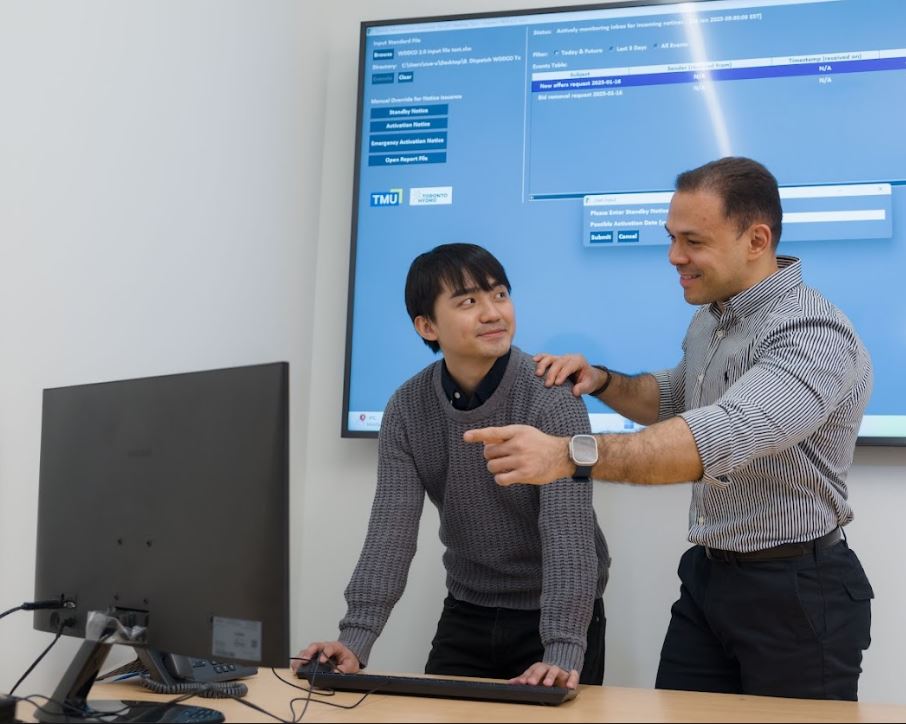
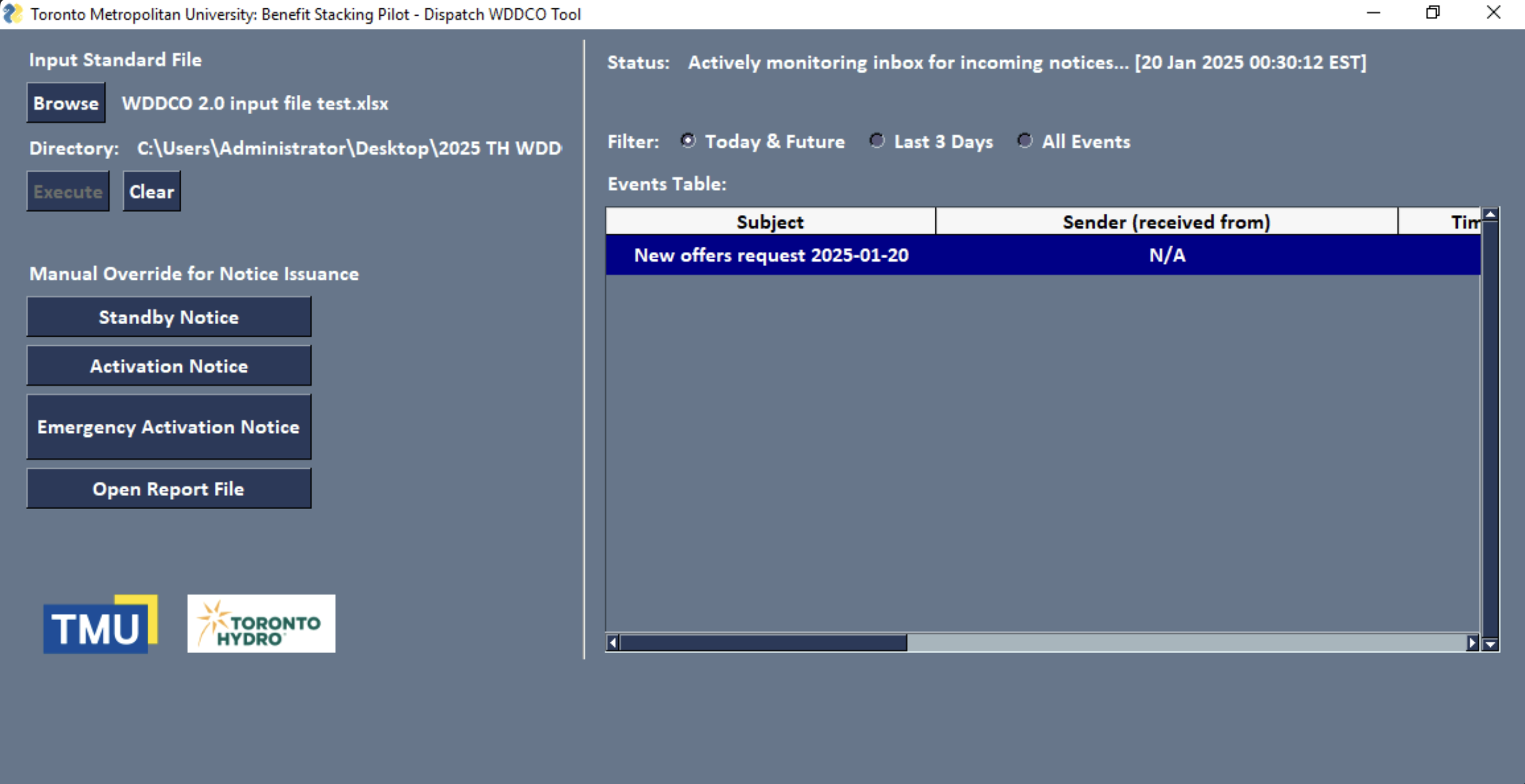
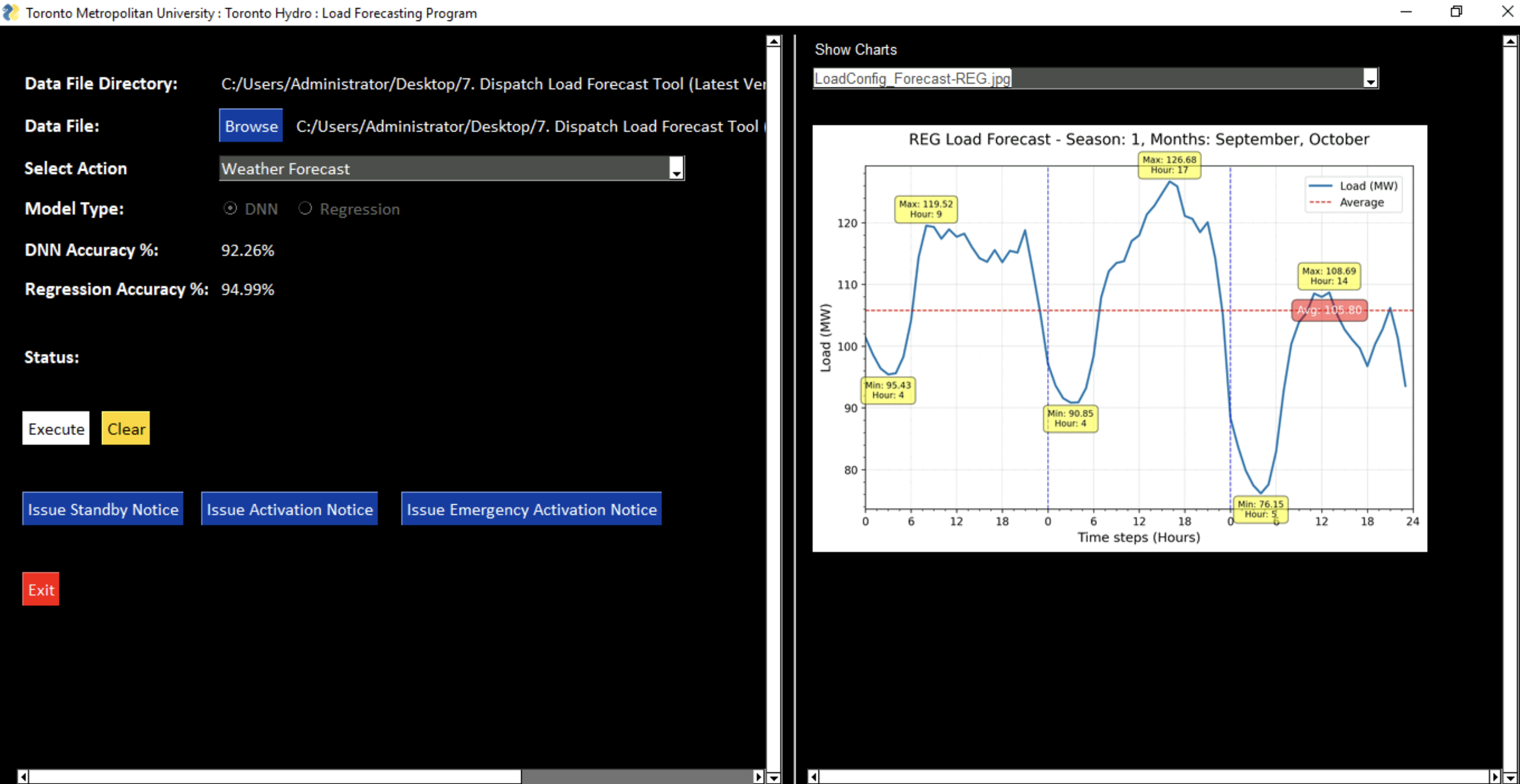
CUE collaborated with Toronto Hydro and Power Advisory LLC, with support from the IESO Grid Innovation Fund and the Ontario Energy Board’s Innovation Sandbox, to identify solutions that will enable the utility to use the same demand response resources simultaneously to meet the capacity needs of both local and provincial grids. CUE developed nine tools and a virtual platform to implement a dual participation model, ensuring seamless coordination between the transmission/bulk system and Toronto Hydro. The overall goals of this program is to build resilient infrastructure, promote sustainability and foster innovation.
| 2024 team | 1 postdoctoral fellow, 2 research associates, 1 undergraduate intern |
| Timeline | 2023-2024 |
Energy Storage Solutions for Zero Carbon 2050 Electric Distribution Systems – Toronto Hydro, Halton Hills Hydro, NSERC and Mitacs
This project aims to address economic, regulatory, and technological barriers to the adoption of electricity storage technologies by utilities, supporting renewable integration, avoiding expensive utility asset upgrades, and advancing smart, intelligent, robust distribution systems.
CUE is currently investigating novel models for ancillary services, focusing on new methods to evaluate and compensate for electricity storage solutions in distribution networks. As part of this effort, work is being completed on microgrid services and their benefits to customers, DER vendors and the utility.
| 2024 team | 2 postdoctoral fellows, 3 PhD students |
| Timeline | 2022-2027 |
Dynamic Reconfiguration and Feeder Power Management – Tata Power-DDL and Mitacs
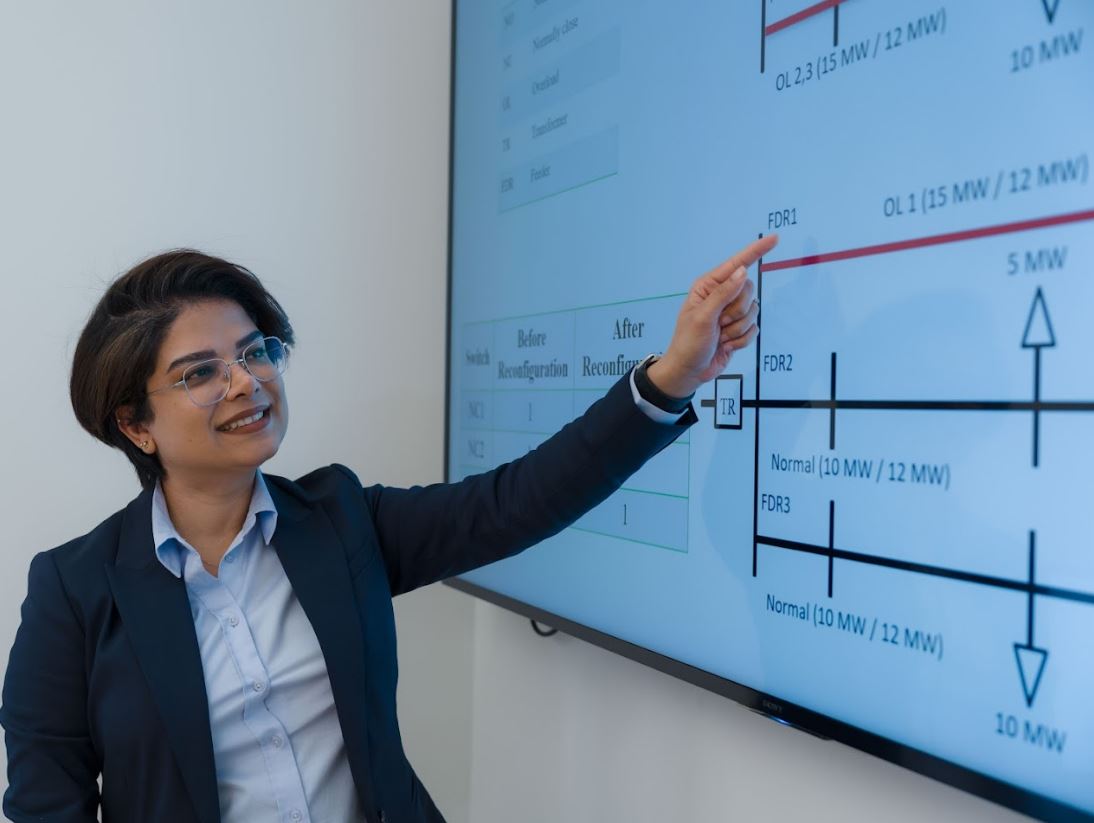
Climate change will drive the transition to deep electrification, leading to increased electric loads. This project develops methods and strategies for dynamic reconfiguration and feeder power management to address operational challenges that utilities such as Tata Power-DDL may encounter.
CUE is actively exploring methods to manage feeder load, including the development of a software tool that can optimally operate sectionalizing switches, enabling the utility to mitigate temporary overloading and enhance grid resilience.
The impact of this work extends beyond operational improvements, contributing to the broader goal of building a sustainable and electrified future, ensuring utilities are equipped to meet the demands of a rapidly changing energy landscape.
The project is supported by funds from the Mitacs Accelerate grant and Tata Power-DDL.
| 2024 team | 2 postdoctoral fellows |
| Timeline | 2023-2025 |
Resilient Distribution System Microgrids – Concordia University, CFREF, Hydro One

In Canada, many rural and semi-urban communities suffer from lower-than-expected electric power supply reliability, as strengthening the supply in these sparsely populated areas often fails the classic return-on-investment test. As a result, these communities turn to polluting, diesel-powered backup supply.
This project seeks to tackle this issue by developing standardized, utility-operated local microgrid solutions that provide reliable, low-carbon electricity during outages. The lack of standardized designs in existing microgrid implementations has been a key barrier to widespread adoption of microgrid solutions by utilities.
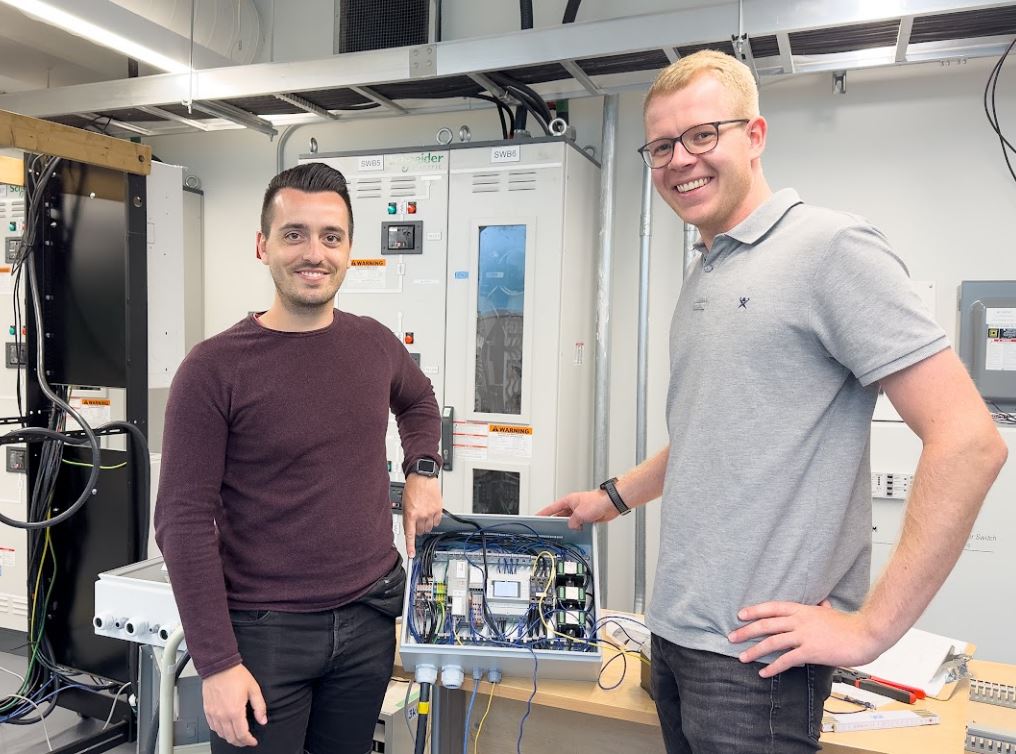
Through this initiative, a microgrid controller-in-a-box was developed and validated by CUE in the Schneider Electric Smart Grid Lab using commercial, off-theshelf equipment. This will ensure readiness for realworld deployment and pave the way for large-scale pilot projects. This approach bridges the technology gap and advances the electrification and decarbonization of underserved communities.
| 2024 team | 1 research assistant, 3 MASc students |
| Timeline | 2024-2026 |
Recently completed project
Study of Metering and Aggregation, and Electrification of Buildings – TCHC
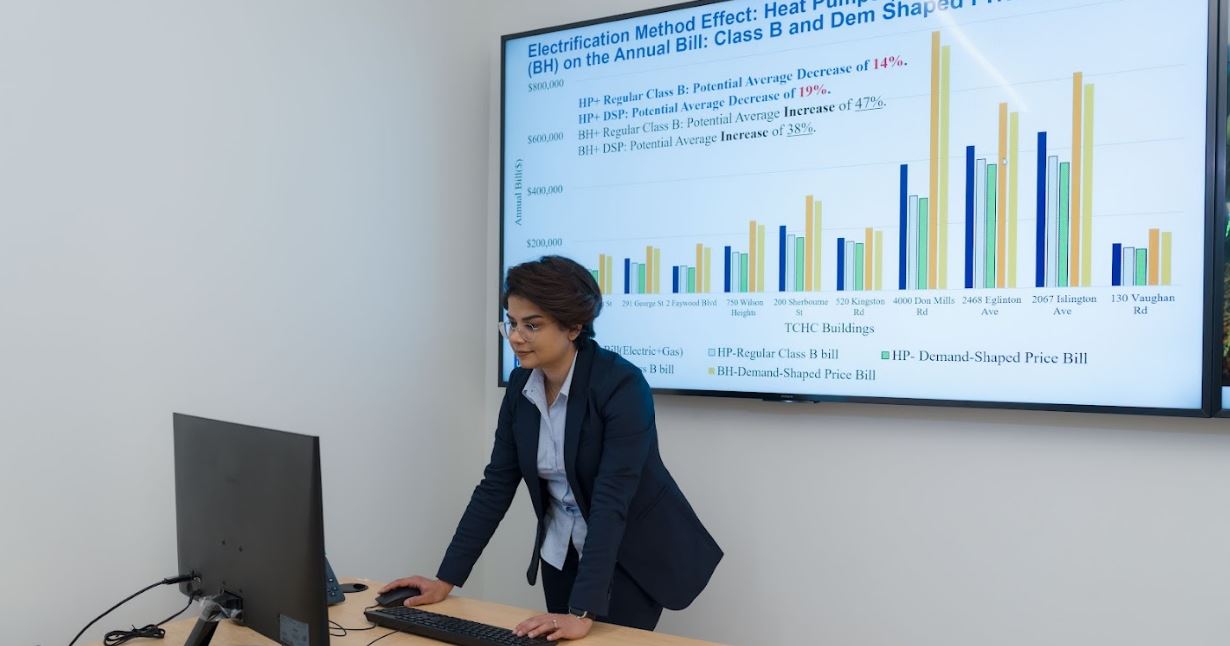
Committed to reducing energy consumption within their buildings, TCHC partnered with CUE on a study to explore opportunities for metering, aggregation and electrification of TCHC’s heating systems across its portfolio of buildings. In 2024, this research project was successfully completed as planned.
| 2024 team | 2 postdoctoral fellows |
| Timeline | 2023-2024 |
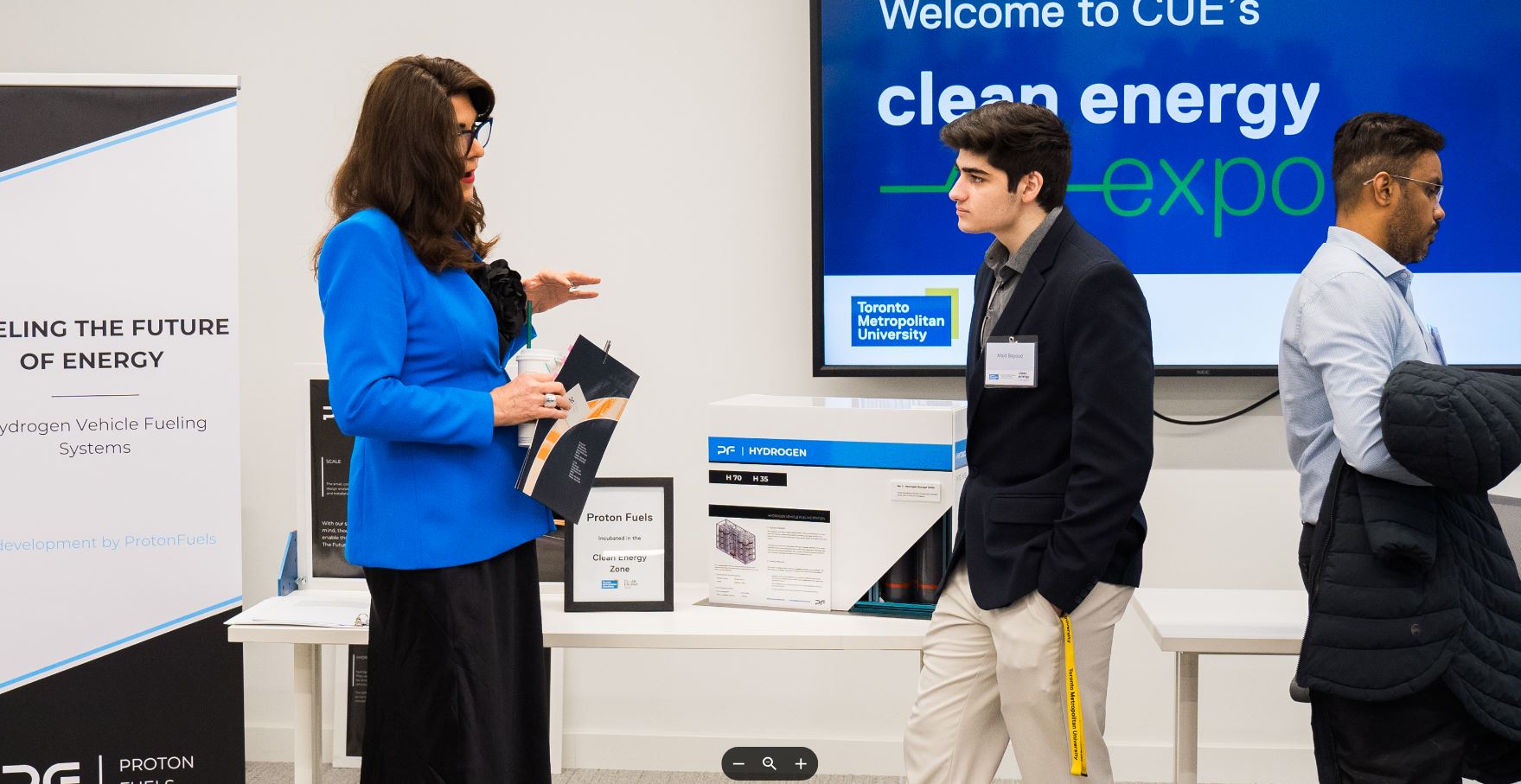
2024 CUE Clean Energy Expo
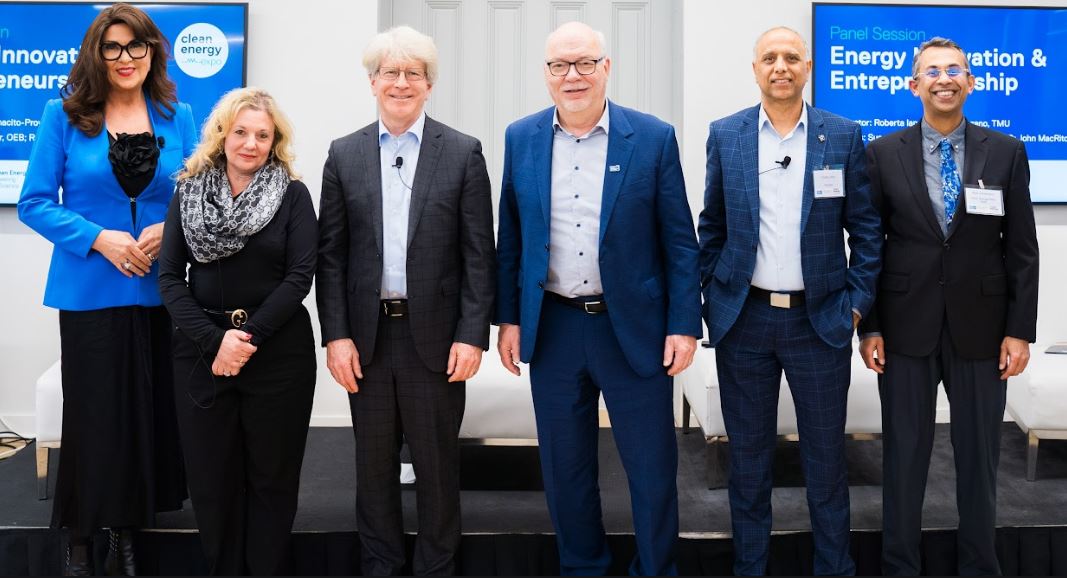
The 2024 CUE Clean Energy Expo was held in April with an attendance of 65 guests. The event included a panel session with Susanna Zagar, CEO of the Ontario Energy Board; Robby Sohi, COO and Vice-President, Markets and Reliability at IESO; John MacRitchie, Assistant Vice-President, Zone Learning and Strategic Initiatives at TMU; and Roberta Iannacito-Provenzano, Provost and Vice-President, Academic at TMU. In addition, posters were presented by researchers and CEZ startup companies exhibited.
| Attendees | 65 |
| Research posters | 7 |
| CEZ startup posters | 5 |
Energy Transition Workshops
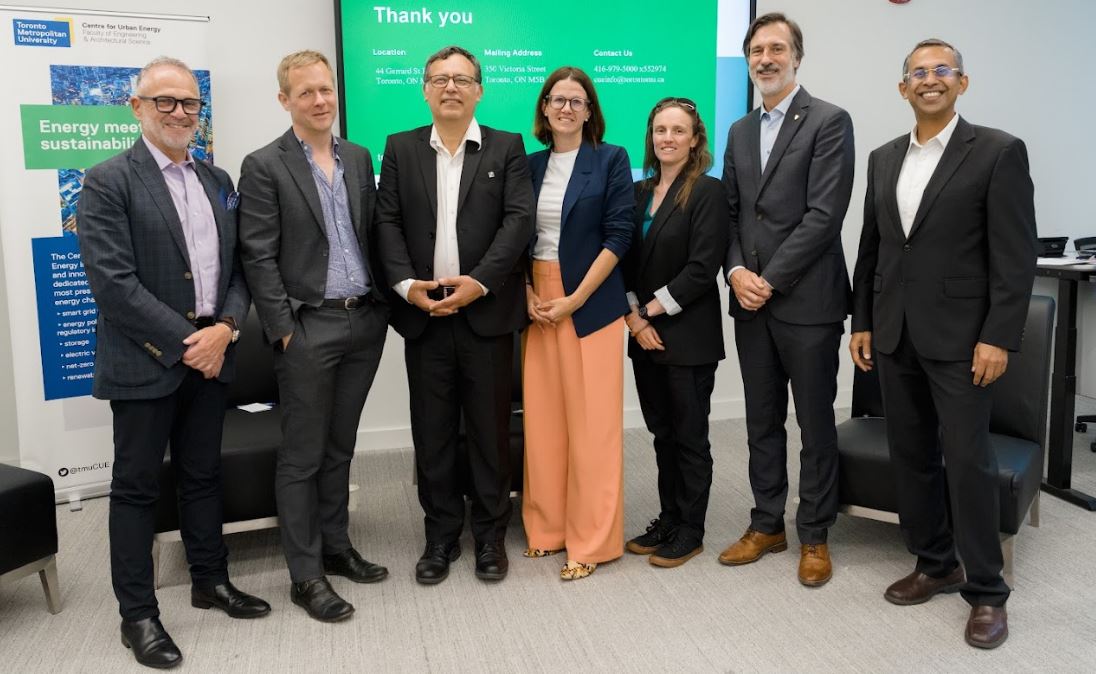
Starting 2023, CUE hosted an energy transition workshop series to build a large international consortium of academic and energy sector specialists. The objective is to foster collaboration on innovative solutions for the future energy system. In 2024, the workshop speakers included Rachele Levin, Board Member, Smart Grid Innovation Network; John Penaranda, Grid Operations Manager, Hydro One; Katherine Sparkes, Vice-President, Grid Solutions, Enwave; and Joerg Wittenbrinck, Manager, Integrated Energy Policy and Research, Ontario Ministry of Energy and Electrification.
Professional Master’s Diploma in Energy and Innovation
The Professional Master’s Diploma in Energy and Innovation program is designed to equip participants with the knowledge and skills required in the fast-growing, rapidly evolving, dynamic Canadian energy sector. Courses include smart grids, energy storage, demand management, electricity markets and a diploma project.
Clean Energy Zone
The Clean Energy Zone (CEZ) is an industry-leading, campusbased incubator located at CUE. 63 startups have passed through CEZ since 2012, including million-dollar companies such as Peak Power and SWTCH.
22 Number of Current Startups
16 Events in 2024
1 New Startup in 2024
2.9M
Revenue Generated by Startups
1 Startup Graduated in in 2024
2.3M
Capital Raised by Startups in 2024
Companies
Cence Power
BKR Energy
DisRAPTOR PAV
Niso Energy
RenMobi
Saturnu Solutions Corp
Electric Autonomy Canada
GREENBMG
Can Grow Here
Renergy Technologies
Proton Fuels
Airgreening (Canada)
13278247 Canada Inc
Innowind
Integrated ClimateTech
Innovia GEO
HEBÉ
InferModel
Alphacor
Kiwi Charge
Liquid Energy
Serenity Power
CleanAir.ai
(graduated in 2024)
Elocity
(graduated in 2024)
Power Up Program
The CEZ’s newest initiative, the Power Up Program, aims to tackle energy entrepreneurship inequity by providing financial support to high-potential student entrepreneurs with promising clean energy–based ideas, in the form of full-time, four-month internships. The Power Up Program provides student entrepreneurs with the tools necessary to build scalable enterprises and bring their clean energy ventures to life.
Featured companies
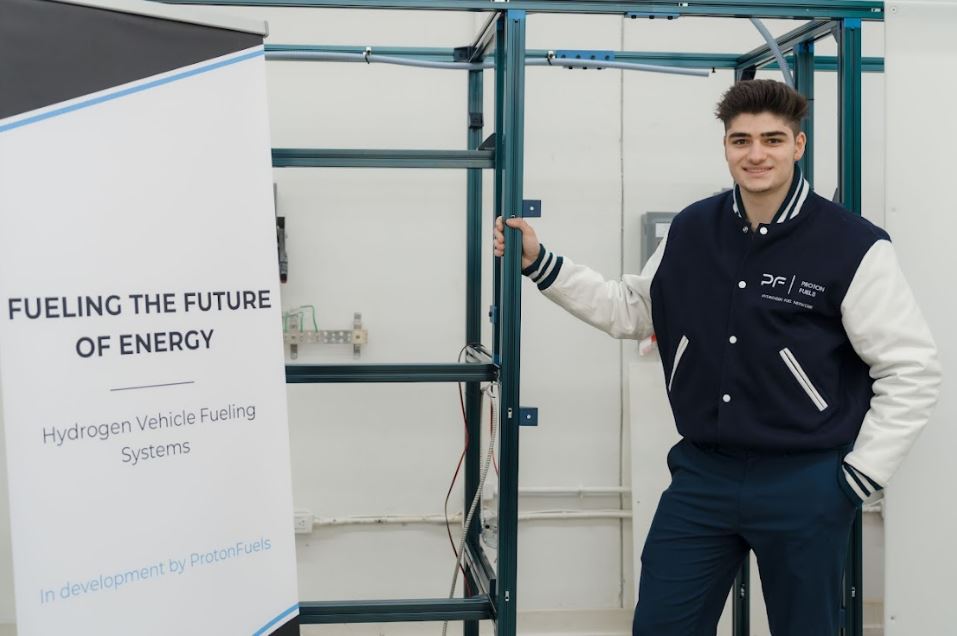
Proton Fuels is an energy infrastructure company focused on the design, manufacturing, and operation of hydrogen vehicle fueling systems. With a focus on modular, flexible, and rapidly scalable fuel systems, Proton Fuels seeks to revolutionize the future of renewable energy, most notably in the transportation sector. By eliminating the prohibiting challenges that have long held back the widescale adoption of hydrogen fuel transportation, Proton Fuels will build out a national hydrogen infrastructure network, thereby unlocking the massive untapped potential of the hydrogen atom
2024 Achievements
- Featured as an exhibitor at the 2024 DiscoveryX Conference
- Awarded SmartTO funding as part of the Smart Mobility Tech Accelerator
- Completed research project with Centennial College School of Engineering Technology and Applied Science • Awarded Mitacs Accelerate Entrepreneur funding for a research project that will produce much- needed real-world data on the operation of hydrogen fueling stations
- Made continued advancements in full-scale prototyping
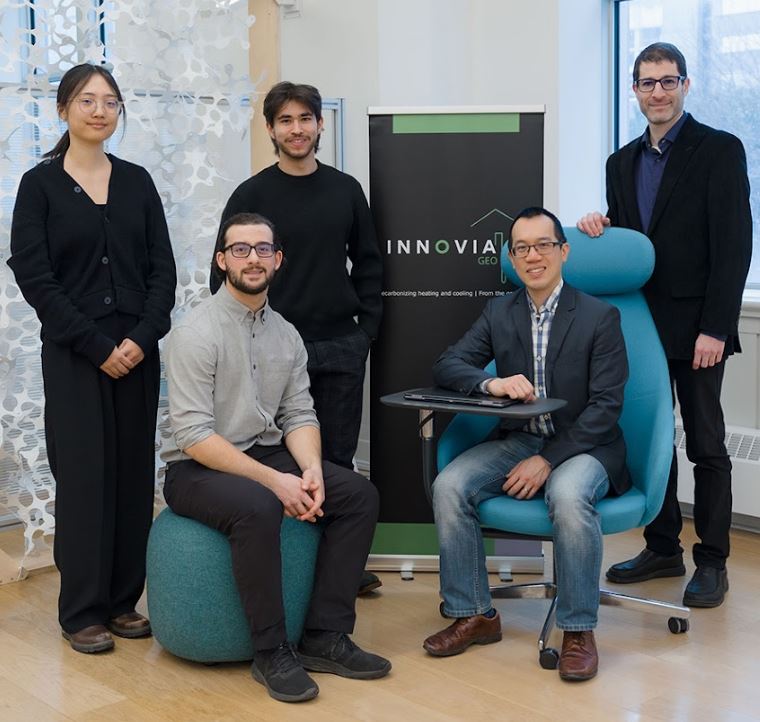
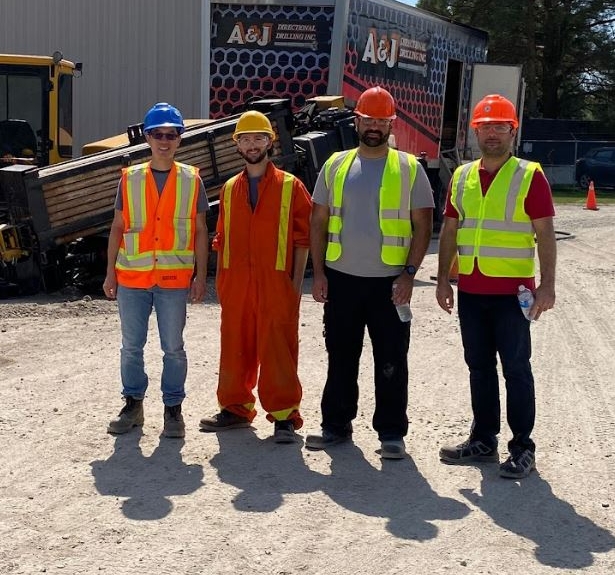
Innovia GEO is unlocking clean geothermal energy with its innovative ultra-shallow geothermal systems, installed at depths of 15 to 100 feet. Using fast, low-cost and widely available shallow drilling methods, their systems can be installed up to 50% cheaper than conventional geothermal systems, while operating up to 25% more efficiently. By cutting the payback of a geothermal system in half, their goal is to enable cost-effective geothermal heating and cooling for new and existing low- to mid-rise buildings.
2024 Achievements
- Filed first patent application
- Installed first paid pilot project
- Awarded a multi-year research grant from NSERC with TMU
- Awarded a multi-year research grant from NSERC with the University of Calgary
- Awarded funding to support up to three pilot projects in New York State beginning in 2025
- Selected to participate in Canada’s Next Sustainable Changemaker Challenge
Have an Idea for an Urban Energy Startup?