Backtalker: a powerful evening with legal scholar Kimberlé Crenshaw
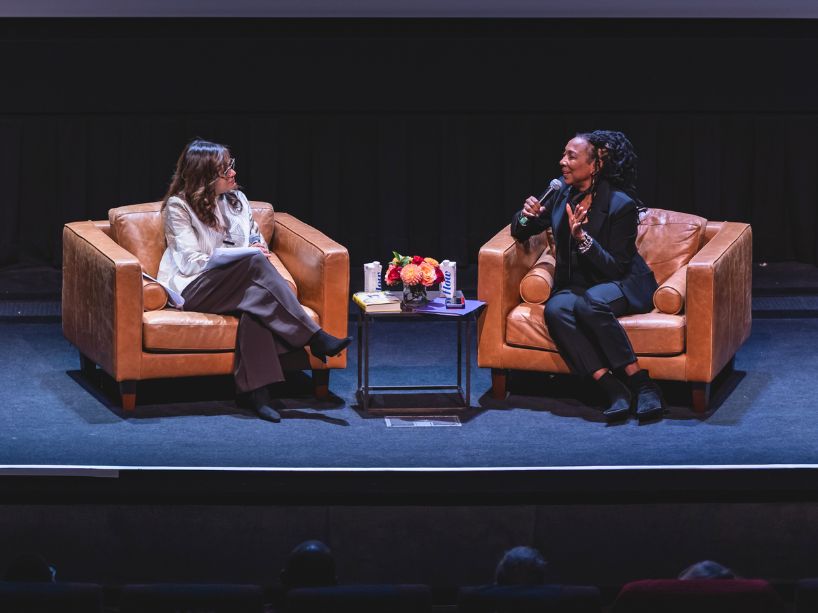
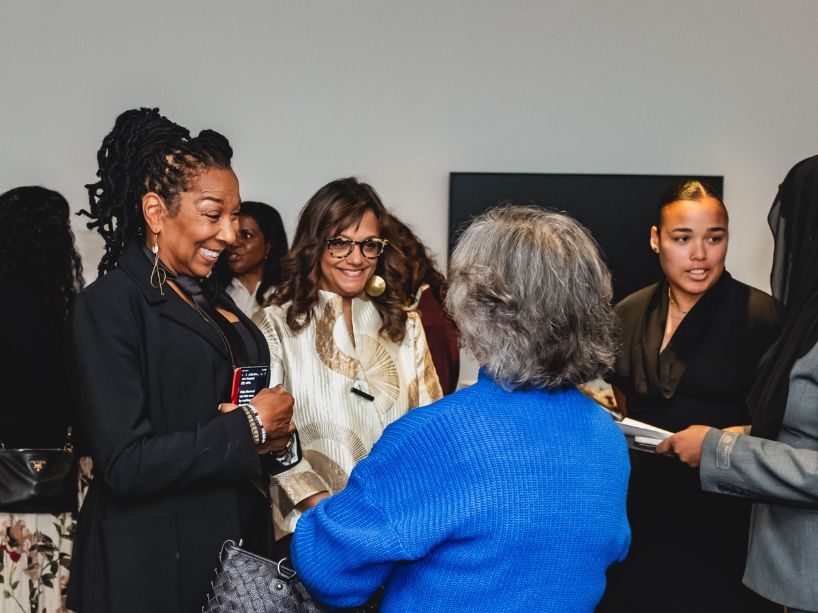
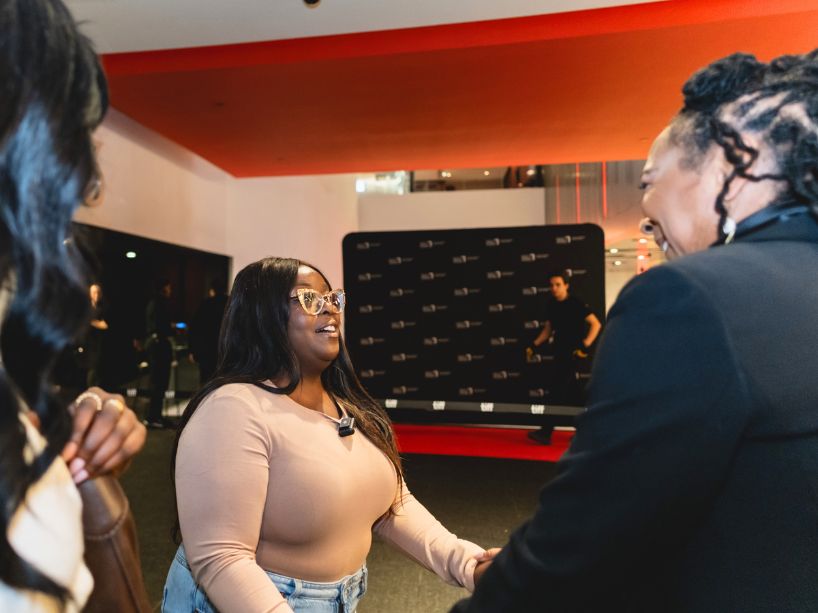
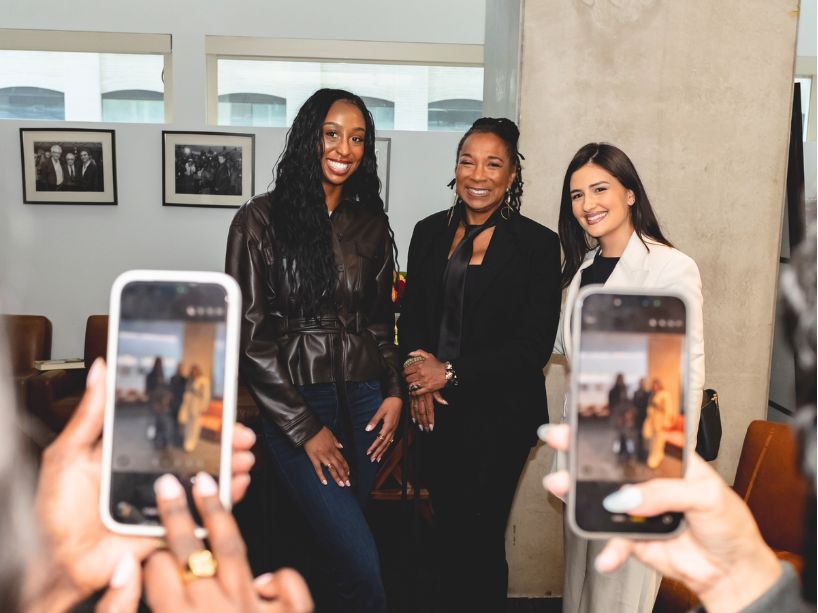
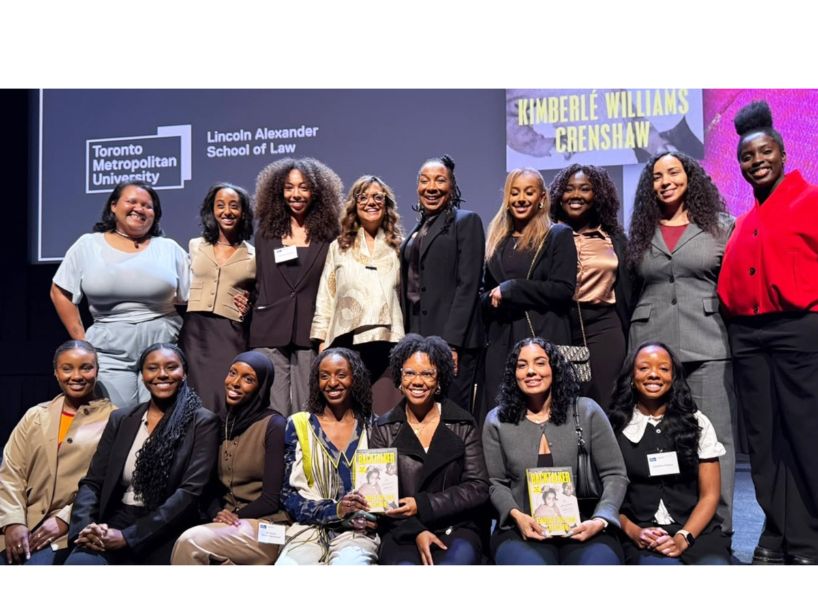
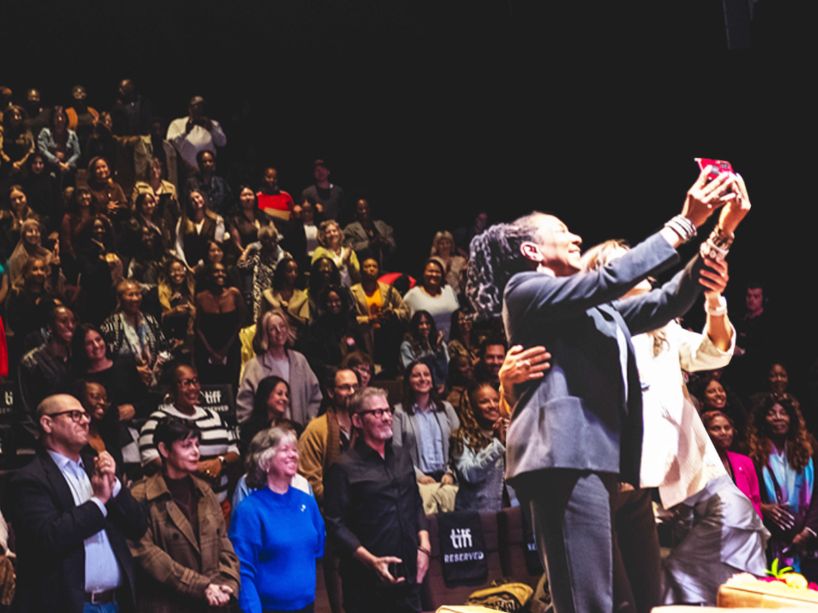
On Saturday, October 24, TMU’s Lincoln Alexander School of Law hosted Kimberlé Williams Crenshaw for a poignant talk about her New York Times bestselling book, Backtalker: An American Memoir (May 2026), at the TIFF Lightbox. The book explores her life and personal journey, her civil rights work and the origins of intersectionality and critical race theory.
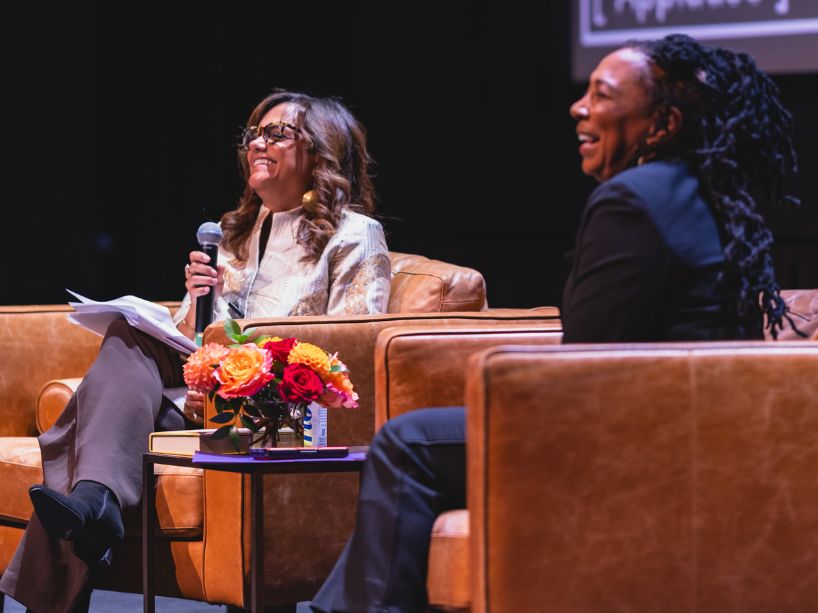
In conversation with the law school’s Founding Dean, Donna E. Young, the discussion delved into some of the significant moments that have defined Crenshaw’s life, work and legacy. The talk included the evolution of Crenshaw's scholarship and the enduring relevance of her work in confronting inequality and advancing justice.
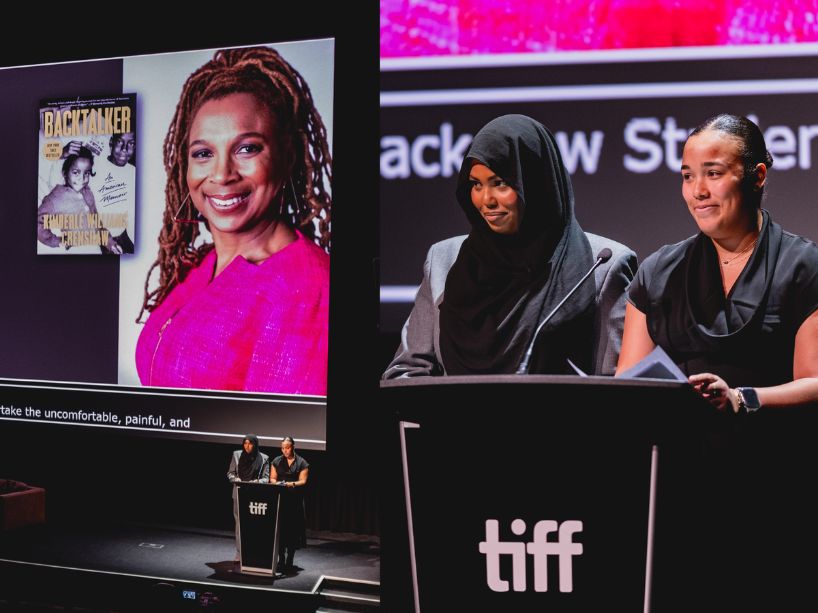
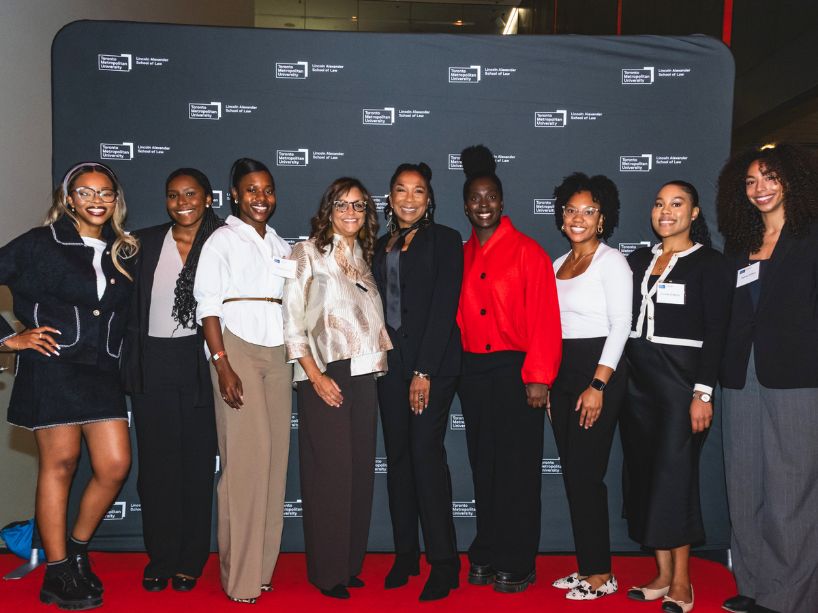
The evening opened with remarks from Souban Youssouf and Brianna Rennie, co-presidents of the Lincoln Alexander Black Law Students' Association (BLSA - Lincoln Alexander). In their introduction, they highlighted how legal systems can perpetuate oppression and the importance of engaging critically in legal education and practice – underscoring a commitment to using the law as a tool for meaningful change and a more equitable society.
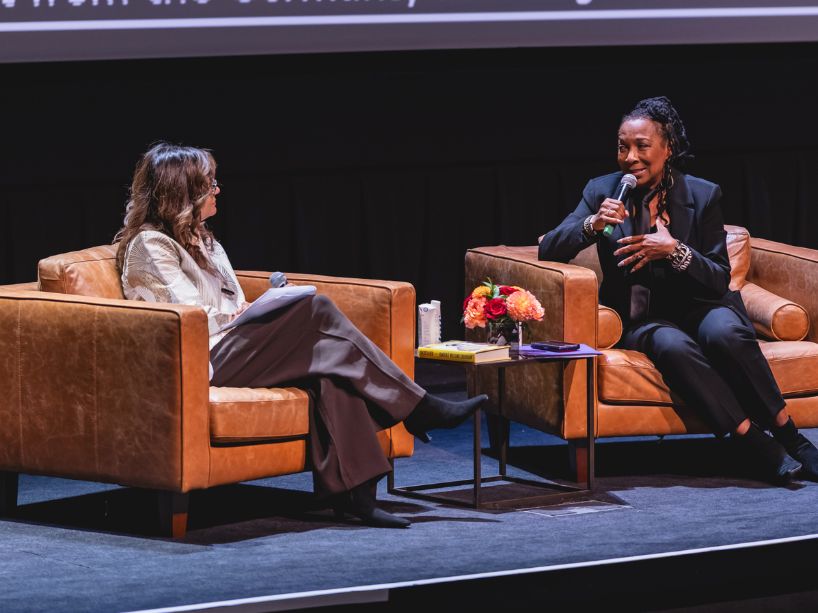
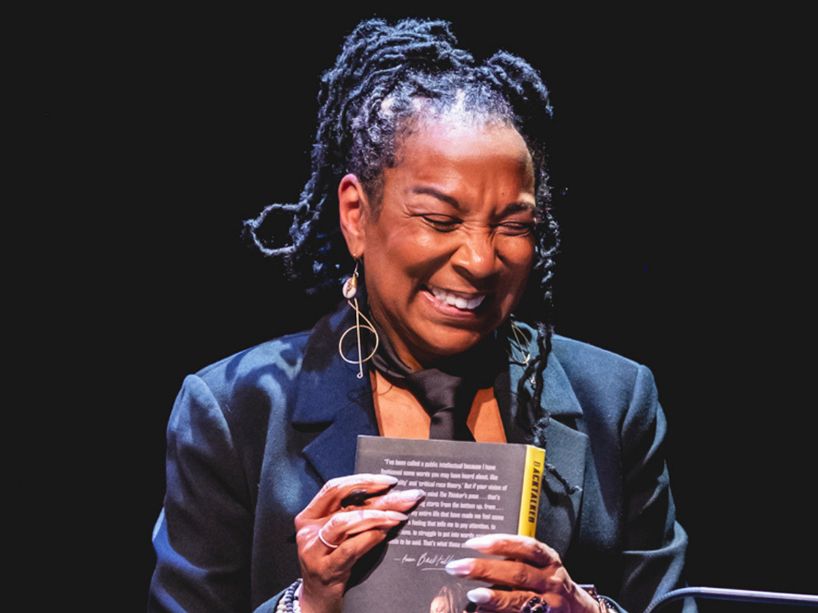
In a thought-provoking discussion with Lincoln Alexander Law’s Dean Young, Crenshaw powerfully shares the experiences that gave rise to the groundbreaking ideas that have transformed how we understand race, gender, power and equality. Backtalking in this context means agitation and activism. It means challenging what has long been accepted and shaping laws to change social realities.
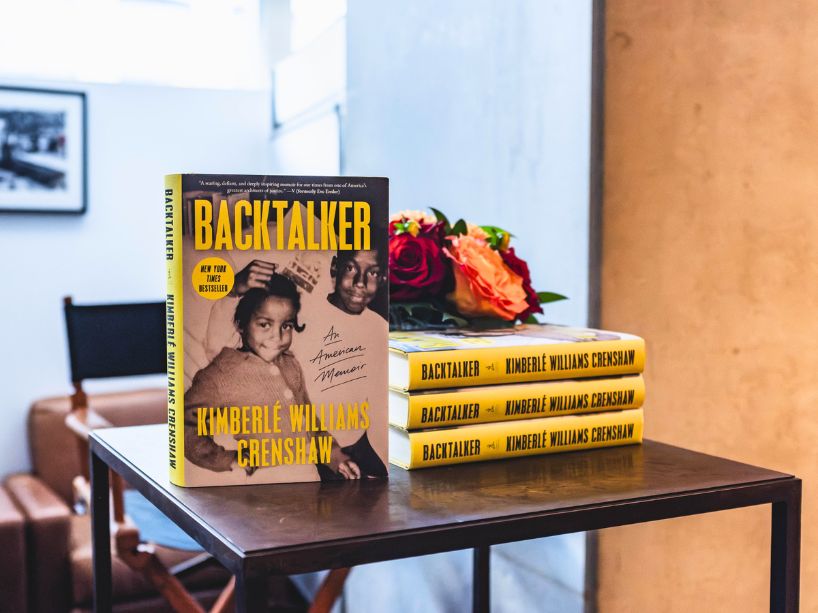
Crenshaw defines backtalking as the act of turning a critical eye to things we are told are fixed, and to challenge any status quo that perpetuates inequality, injustice and indignity. One of the world's most influential public intellectuals, Crenshaw introduced critical race theory and coined the term intersectionality. Backtalker requires us to ask ‘who informs legal systems?’, ‘who does it give voice to?’ and ‘who does it serve?’.
The title frames the book as an “American memoir” to resist the erasure of Black American history, identity and the foundational contributions of Black Americans – particularly Black American women – to the nation.
Born in the midst of the civil rights movement, Crenshaw recognized patterns of inequality and developed the theory of intersectionality to explain how overlapping systems of discrimination shape people's experiences.
Similarly, critical race theory examines the historical roots of racial inequality to better understand how power operates and is reproduced in society. Together, these frameworks help us understand systemic inequality and identify ways to challenge and address it. While the work of achieving true equity and safeguarding democracy remains ongoing, examining past resistance remains crucial to protecting civil rights today.
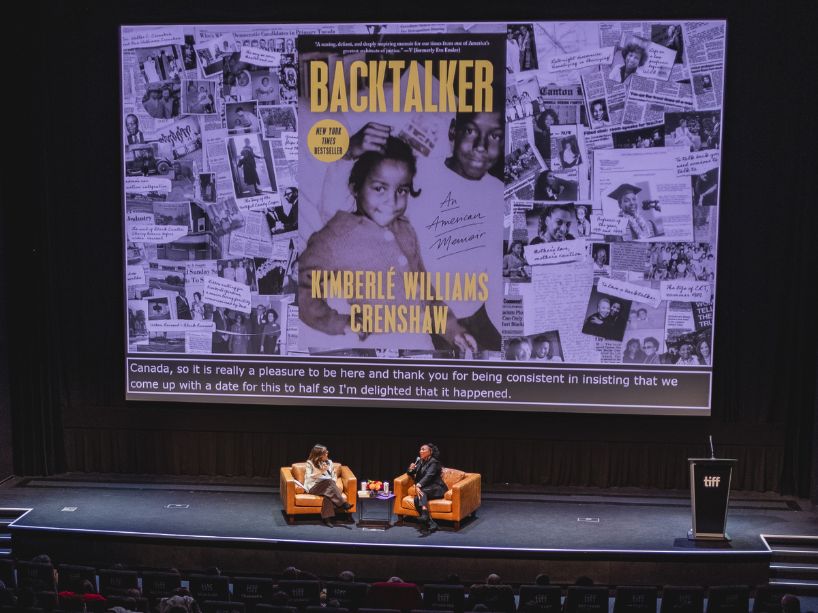
Founding Dean Donna E. Young reaffirmed the law school’s commitment to advancing racial and social justice, announcing that she will teach a course on Critical Race Theory in the new year. Young, a former graduate student of Crenshaw’s at Columbia Law School, also shared a full-circle moment: her son recently completed a law course taught by Crenshaw at UCLA.
You can watch the full conversation online at 'Backtalker: An Evening with Kimberlé Crenshaw (external link) '.