Commute smarter: tips from TMU, a 2026 global leader in sustainability
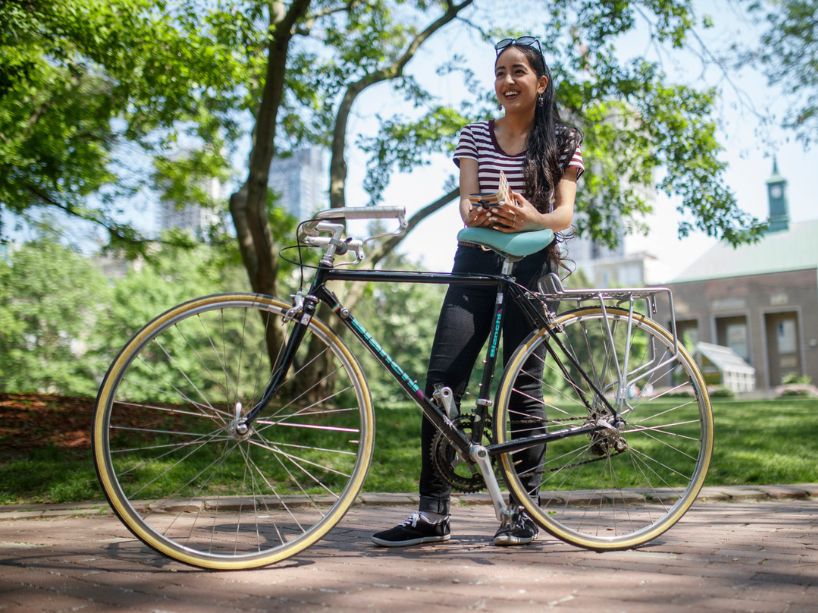
Key takeaways:
- TMU earns top global ranking for sustainable transportation
- Accessible and sustainable transportation options make TMU stand out
- Commuter tips for students, staff and faculty including public transportation options and discounts for transit and Bike Share
- Be the change: Participate in a research survey related to music and transit at the end of the article for a chance to win a $100 gift card
Toronto Metropolitan University was named a Top Performer in Transportation in the 2026 Sustainable Campus Index (external link) , published by the Association for the Advancement of Sustainability in Higher Education (AASHE).
The index ranks the world’s most sustainable post-secondary institutions across 17 areas. Rankings are based on the Sustainability Tracking, Assessment & Rating System (STARS).
TMU ranked first for three things:
- Transportation modes used by its campus community
- The sustainability of its campus vehicle fleet
- Its programs promoting low-impact travel
Commuting habits that set TMU apart
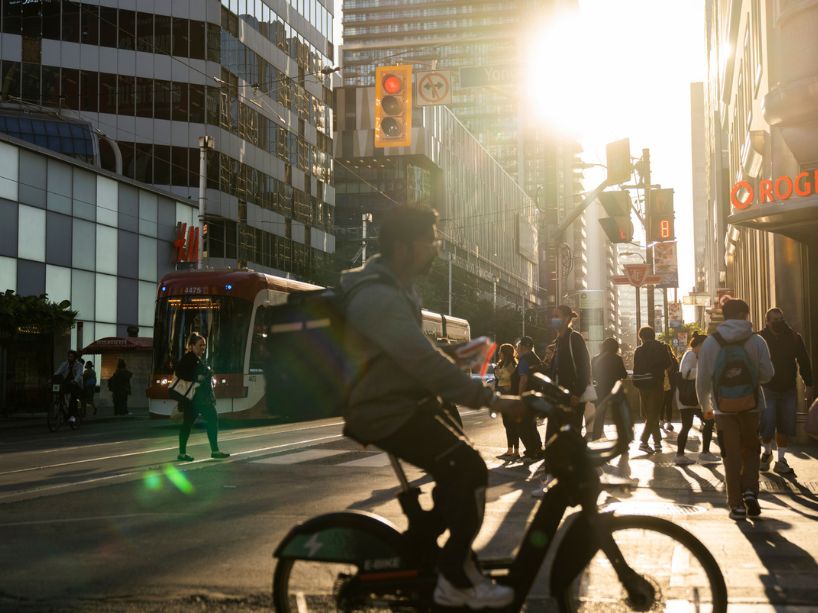
TMU’s urban location means more sustainable commuting options for its students, staff and faculty.
TMU’s downtown location gives students, faculty and staff more ways to commute sustainably.
The biggest factor in TMU’s ranking is its Commute Modal Split score. This score recognizes institutions where people use multiple sustainable ways to get to campus, like walking, bicycling, car sharing, ride sharing and public transit.
TMU’s score at a glance:
- Commute Modal Split score: 4.65/5
- Based on 2021 Transportation Survey
- Key stat: 92% of community uses lower-carbon transportation
- 58% public transit
- 30% walking
- 4% carpool
- Only 8% single-occupancy vehicles
These habits cut air pollution, traffic congestion and greenhouse gas emissions. That’s a big reason why TMU stands out.
Student discount for Bike Share:
Using your OneCard, students, faculty and staff can save 20% off the cost of an annual Bike Share Toronto membership.
The downtown advantage
TMU's downtown location was a major factor in its ranking. The campus sits close to low-impact transportation options.
Students, faculty and staff can reach campus by TTC subway, streetcar and bus, plus nearby GO Transit. That means fewer people need to drive, reducing emissions.
Public transportation options include:
- TTC subway lines and buses
- GO Transit
- UP Express
- Eglinton Crosstown LRT connects to TTC subway line
Fun fact: The Toronto Transit Commission (TTC) officially renamed Dundas Station to TMU Station on December 7, 2025, as part of a research partnership with TMU.
How transit discounts work for TMU students:
- GoTrain: full-time post-secondary students of any age can save 40 per cent with PRESTO on GO. Learn more about the GO Transit Student ID Card.
- TTC: TMU students get discounted rates on TTC Studen
Infrastructure and programs supporting sustainable travel
TMU also earned points for infrastructure and programs supporting sustainable travel.
The university pairs sustainable infrastructure with year-round campaigns to shrink its footprint.
Transportation-supporting infrastructure highlights:
- Access to Bike Share Toronto stations surrounding campus
- Partnerships with Enterprise CarShare and Zipcar
- EV charging stations
Annual engagement initiatives:
- Healthy Commute Week
- Bike Month
These programs make low-carbon travel an easy choice for students, faculty and staff.
Good habits start young. TMU makes sustainable transportation an easy and accessible option for the campus community.
Over 1,100 spots for your bike
TMU has over 1,100 bicycle parking spots across campus. That includes 98 secure spaces in the Daphne Cockwell Health Sciences Complex, with washrooms and showers for permit holders.
The bike racks are part of a campus-wide bicycle program built with the City of Toronto’s bicycle friendly campuses project.
TMU commuter resource: TMU offers an on-campus Commuter Hostel for short-term stays during midterms, exams or late-night study sessions.
TMU sustainability in motion
AASHE released the2026 Sustainable Campus Index results in September. This marks the third time TMU has been named a Top Performer in Transportation, following earlier recognition in 2022 and 2023.
Transportation plays a big role in campus sustainability because of its impact on emissions. The ranking aligns with TMU’s 2020–2030 Strategic Vision, which lists sustainability as one of its five core values.
TMU's Sustainability Office works with students, faculty and staff to build sustainability into campus life. Visit the sustainability office website for ways to get involved.
Participate in a transit-related research survey
Creative Industries Professor Charlie Wall-Andrews is working on a study about how the TTC Underground Sounds Subway Musician Program (external link) impacts rider mood and perceived station safety, while exploring whether buskers can serve an expanded safety function.
The project investigates the operational feasibility of integrating licensed musicians into a supportive safety or observational capacity in designated transit hubs.
The survey is now live: https://kobmbdisbyw.typeform.com/to/bF4ukZHS (external link)
