Shining Today and Shaping Tomorrow: Ted Rogers School’s 2025 Rising Stars
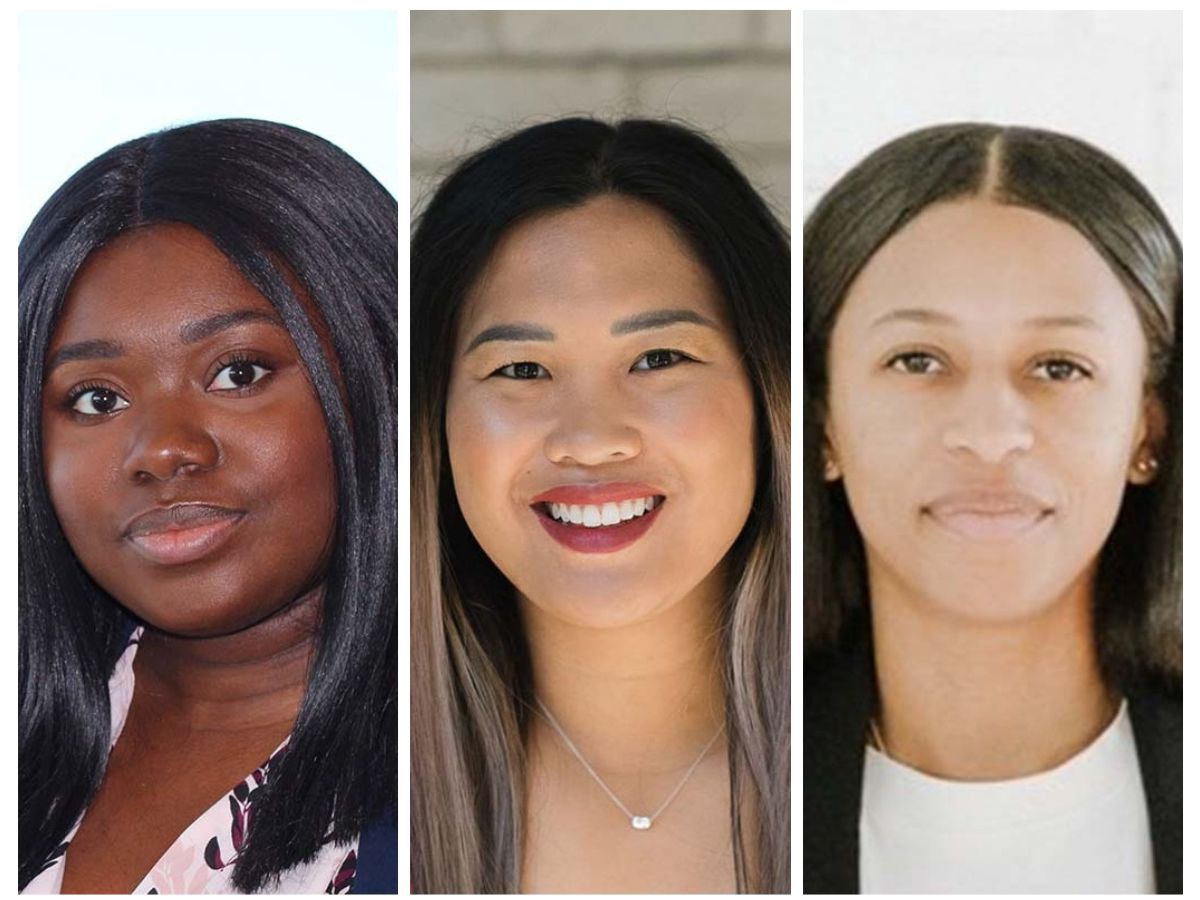
Six graduates from the Ted Rogers School of Management (TRSM) have been named among TMU’s Rising Stars for 2025, a recognition celebrating recent alumni who are setting new standards in leadership, innovation, and service. Honoured as Innovators, Changemakers, Emerging Leaders, and Community Builders, these TRSM graduates are reshaping their industries and driving meaningful change. Their stories embody the school’s spirit: bold ambition, fresh ideas, and a lasting commitment to community impact. In this Q & A, three of the Rising Stars reflect on their time at the school, discuss lessons from their career path and offer advice for aspiring business leaders.
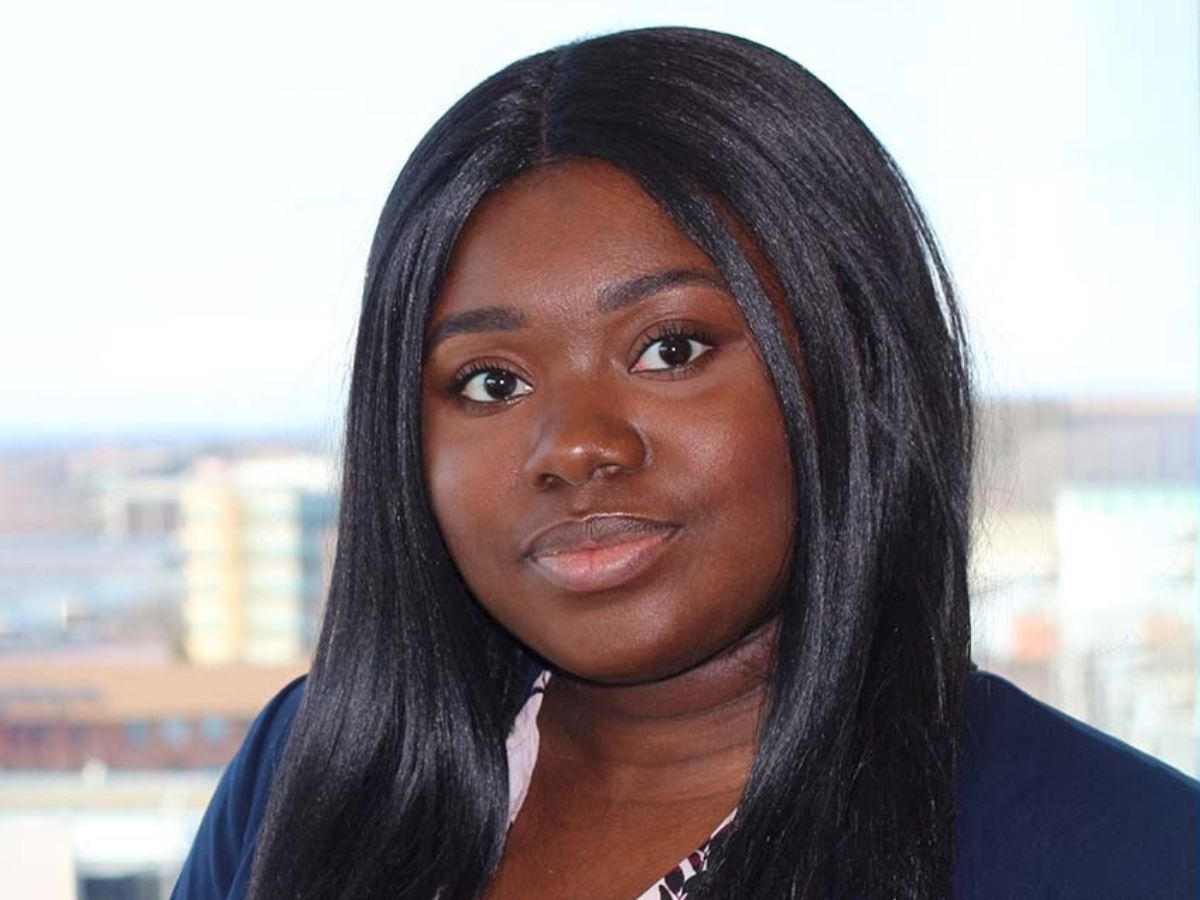
Belinda Bonsu: Human Resources Management ’15
Belinda Bonsu is a human resources leader with over a decade of experience in organizational development, talent management, and strategic HR initiatives. She has led key efforts to enhance employee engagement, improve talent acquisition, and implement learning and development programs that foster high-performing, inclusive work environments. Bonsu is also a passionate advocate for diversity, equity and inclusion in the workplace. Her mentorship and community involvement support underrepresented groups in navigating and thriving within the HR field. With a focus on equity and organizational growth, she continues to drive meaningful change across both corporate and community landscapes.
In times of uncertainty, as an HR leader, what do you see as the biggest challenge in creating a culture of diversity, equity, and inclusion in the workplace?
One of the biggest challenges is the tendency for organizations to scale back DEI efforts during uncertain times in favour of initiatives with a clearer impact on the bottom line. But this is exactly when inclusion matters most. We need to amplify marginalized voices and stay committed to equity throughout the employee experience.
As an HR Business Partner, I focus on making sure DEI stays part of both strategy and everyday culture. It takes ongoing accountability, transparency, and honest conversations to keep this work meaningful and consistent.
Based on your career experience, what advice would you offer to students who are eager to take the next step in their professional journey? What qualities or actions do you think help candidates stand out?
Be curious, be coachable, and be committed. You may not have all the answers at the start, but the willingness to learn and adapt goes a long way. Early in my career, I often felt unsure, but I realized every skill I needed could be learned.
Now, when hiring, I look for people who take initiative and follow through. Whether it's asking for help or teaching yourself something new, that effort speaks louder than a resume. What stands out most is someone who shows they are willing to grow and contribute.
Low employee engagement has become a global issue. What are some key actions organizations can take to help address this challenge?
In today’s landscape, one of the most critical actions organizations can take is to truly listen. Engagement surveys are helpful, but what matters is how the organization responds. People want to feel heard, not just measured.
Leadership also plays a key role. Throughout my career, I’ve seen how engagement is directly tied to how leaders show up: their openness, their consistency, and how well they connect with people. Organizations should invest in developing leaders who communicate authentically and recognize contributions in ways that matter.
Lastly, employees disengage when they don’t see a future. Whether it's through learning opportunities, internal mobility, or mentorship programs, we need to find ways to show our people how they can grow with us, instead of just working for us.
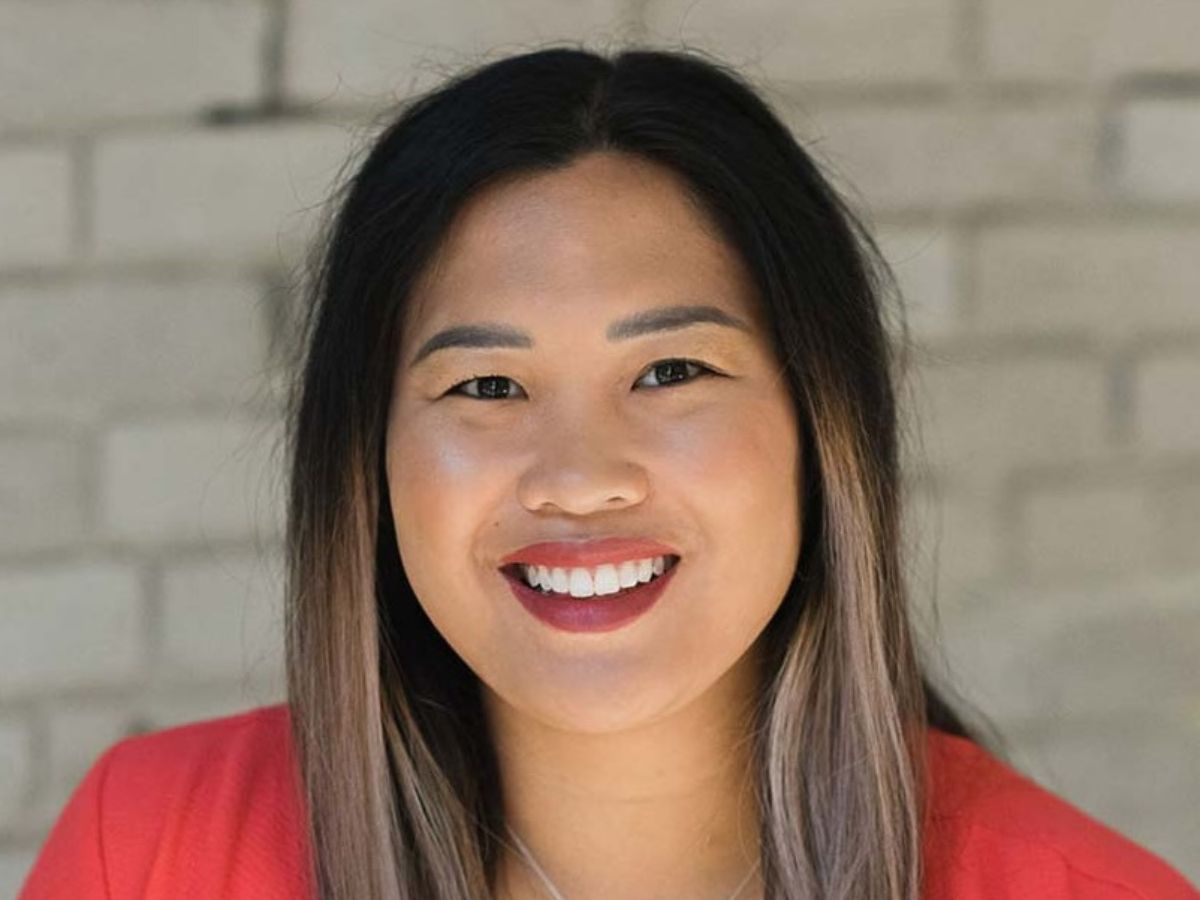
Nella Brodett: Law and Business ‘15
Nella Brodett is head of Integrated Markets, Company Support and Partnerships, and a founding team member of the CAN Health Network, where she supports the adoption of emerging Canadian health technologies across the country through private and public partnerships. She previously served as director of investment and partnerships at the Alberta Machine Intelligence Institute, advancing global AI adoption in business. Brodett earned a Bachelor of Commerce in Law and Business while serving as captain of the women’s hockey team and was involved as an executive on various TRSM student groups. She later established the Nella Brodett Empowerment Award to support female-identified student-athletes in the TMU Bold community. In 2022, Brodett and her sister, Franca, became the first Filipina-Canadian duo on The Amazing Race Canada, placing third in Season 8.
You once described leadership as "camaraderie, genuine relationship building, authenticity, and building trust." How has this view influenced your professional management style and approach?
Those values have guided me since my time at TMU, inspired by former president Sheldon Levy, who once told me, “I’m in the business of trust. And if you have trust, then you have a lot.” That message stayed with me. I try to lead with authenticity because when people see who you truly are, it builds trust.
With trust, it's easier to navigate mistakes and offer feedback without it feeling personal. Leading with authenticity creates a strong foundation for every relationship. People connect with who you are, and that connection builds confidence on both sides.
Balancing leadership roles in student groups, athletics, and academics at TMU required significant time management. What strategies did you develop, and how do they serve you today?
I’ll admit, I wasn’t the best at it. I prioritized my sport and leadership roles, and leaned on teammates and friends to help manage my time. That experience helped me understand what I value and how to prioritize accordingly.
It also taught me that leadership is evolving. As millennials step into management, our values differ from previous generations. Recognizing those differences has shaped how I approach time, priorities, and balance today.
What message of support or guidance would you offer to TMU students currently struggling with mental health challenges?
Number one, don't hold it in! Talk to somebody. We all face mental health challenges in different ways, and holding it in only makes it harder. Find the right people and professionals who can support you, that’s what helped me.
Mental health affects everything. You need your mind, emotions, and self-worth to keep moving forward. When I opened up to my community, their support reminded me that I didn’t get here alone. So be yourself, speak up, and trust that the right people will be there to help you through it.
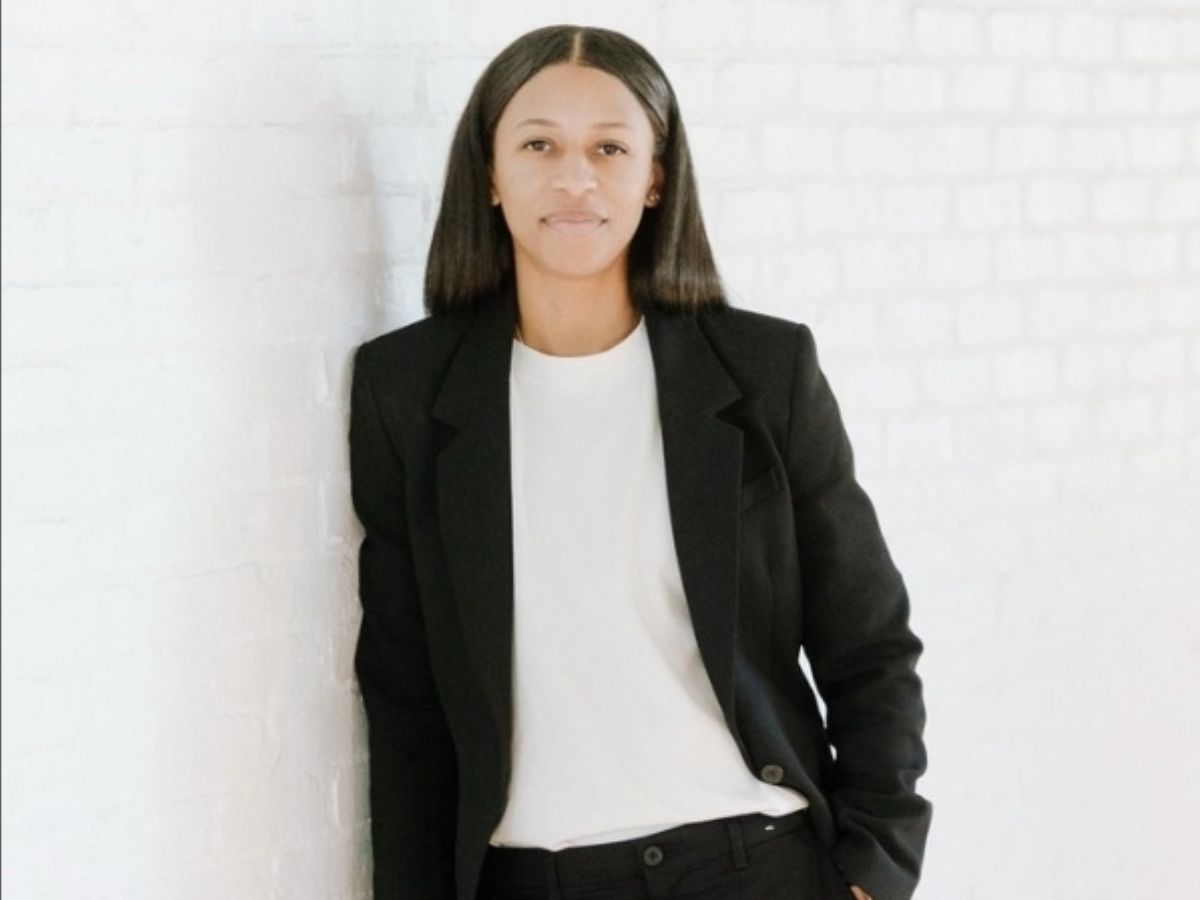
Dakota Whyte: Business Administration (MBA) ’22
Dakota Whyte is executive director of the PS43 Foundation, where she leads programs that support underrepresented youth through sports and education. A former professional basketball player and youth Olympian, she played Division 1 basketball at the University of Wisconsin before transitioning to a career that bridges sport, branding and community engagement, including time at Nike. Whyte is also the founder of a sport philanthropy firm focused on creating sustainable, athletics-based solutions for social impact. Her work is rooted in athlete advocacy and the belief that sport can drive meaningful change. Through her leadership, Whyte continues to amplify the role of athletes in advancing equity and opportunity beyond the court.
As both a former professional athlete and a Ted Rogers MBA graduate, what key experiences or lessons helped you connect the worlds of sports and business?
Oh, man, that's a loaded question! But to keep it short, there are a lot of similarities between sports and business.
During my MBA at the Ted Rogers School, I learned how important it is to network and strategize to reach an outcome through people. As a point guard, I had a similar role where I brought people together and focused on creating the best result.
Being an athlete and leading in business both require teamwork, trust, and clear direction. That has been my biggest takeaway from the MBA, and I use it every day in my leadership role.
In your role as executive director of the PS43 Foundation, what actions or initiatives do you believe Toronto should take to empower the next generation?
That's such a great and loaded question! I’ll highlight our most recent program, the Siakam EdTech Engine, co-founded by Pascal Siakam and developed with TMU. It supports innovative founders and startups that help teachers and youth better understand the world of technology.
I believe the city of Toronto should continue investing in tech solutions that accelerate youth learning. That kind of funding can open rare and meaningful opportunities for the next generation.
What single piece of advice would you share with young people who feel marginalized or powerless in pursuing their dreams?
Focus on what you can act on each day. Big dreams can feel overwhelming, but progress often comes from consistent, small actions.
There’s power in the idea of impacting one person. If you focus your efforts on making a difference, even in a small way, that momentum builds over time. Use the opportunities and resources around you to create that impact, and it will grow into something much greater.