First in class: More students shaping medicine's future (Part 2)
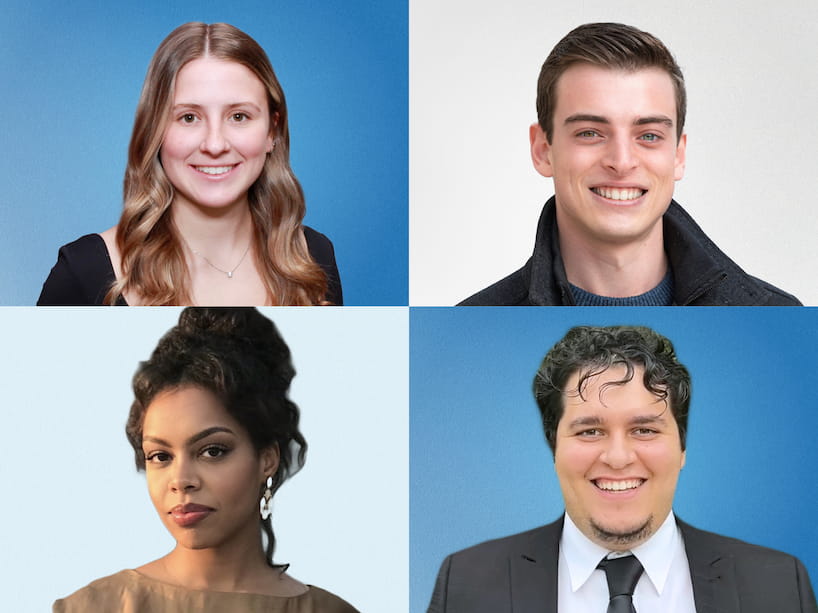
Discover more of the remarkable students chosen from over 6,400 applicants to join TMU's inaugural School of Medicine class and help transform health care across Canada. From top left: Olivia Beausoleil, Devon McAlpine, Samah Osman and Adrian Sejdijaj.
No two paths are the same. Find out what makes TMU’s inaugural MD class extraordinary, how their journey to medicine took shape and what inspires them. In part two of TMU’s School of Medicine ‘Meet the inaugural class’ series, we introduce you to four more students whose diverse backgrounds, passions and experiences are defining what it means to be a TMU medical student.
Olivia Beausoleil
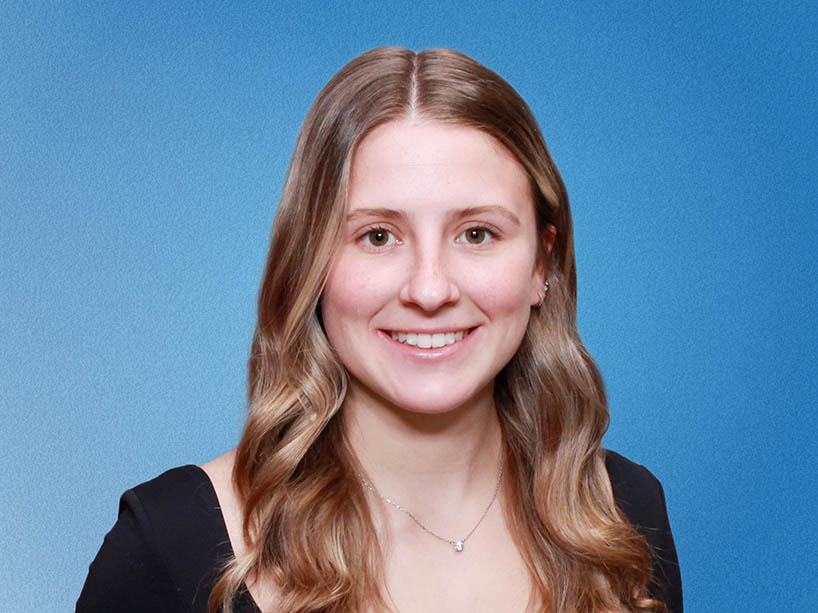
With a Bachelor of Science in kinesiology and focus on improving access to physical education for Indigenous youth, Olivia Beausoleil brings both academic rigour and community leadership to medicine. As a research practicum student in McMaster’s Department of Kinesiology, she investigated systemic barriers that limit Indigenous youth’s access to physical literacy and sport. She also helped to pilot the McMaster Physical Literacy for All Youth program, which builds physical confidence and skills in children with disabilities through inclusive programming.
Her leadership efforts are equally impactful. As co-president and co-founder of McMaster's Indigenous Student-Athlete council and community learning coordinator with the Indigenous Health Movement, Beausoleil advocated for culturally responsive health care and equitable access to resources that support Indigenous students’ academic and personal development.
Beausoleil’s impact extends beyond university through her work with the Métis Nation of Ontario as a facilitator for both the Infinite Reach and summer youth programs, where she mentors Métis students and amplifies youth voices through engaging in cultural activities. She also supports incoming Indigenous students through her work with McMaster’s Indigenous Student Services.
Recognized with awards including the Gen7 Indigenous Scholarship, Aboriginal Health Initiative Medical Award, RBC Indigenous Youth Future Launch Scholarship and the Ted Rogers Scholarship Award, Beausoleil has also earned a place on the McMaster Dean’s Honour List for four consecutive years. Her excellence in balancing academic and athletic commitments was recognized with the President’s Award of Excellence in Student Leadership upon her McMaster graduation.
Beausoleil is committed to improving health outcomes through inclusive education, advancing culturally competent health care and advocating for systemic change – values deeply aligned with TMU’s School of Medicine and its mission to train socially responsible physicians.
Devon McAlpine

Devon McAlpine discovered his passion for health care while volunteering in the emergency department at Royal Victoria Hospital in Barrie during high school.
He pursued a Bachelor of Science in biology at McMaster University, with a minor in psychology, where he was named to the dean’s honour list for academic excellence. A student job at Chigamik Community Health Centre in Midland and a course on the social determinants of health inspired him to pursue a Master of Public Health at the University of Guelph. There he focused on health communication, published peer-reviewed research, completed a practicum at the Public Health Agency of Canada and received a scholarship for Graduate Student Excellence.
After graduating, McAlpine worked as an epidemiologist, contributing to pan-Canadian efforts to enhance representation in death investigation data. Currently working as a researcher, he coordinates and contributes to CIHR-funded research projects at Sunnybrook Health Sciences Centre to improve culturally safe communication aimed at advancing health equity within the provincial cancer screening programs and mobilizing knowledge to inform practice and policy.
As a student, McAlpine was awarded the Dr. John Hastings Student Award by the Canadian Public Health Association for his survey of the public health workforce examining public health communication competencies.
He envisions a career as a primary care physician, integrating his public health expertise to deliver compassionate, trustworthy and patient-centred care.
“I have seen the critical role that family doctors play in delivering health education, interventions and advocating for patient and community needs,” he says.
Samah Osman
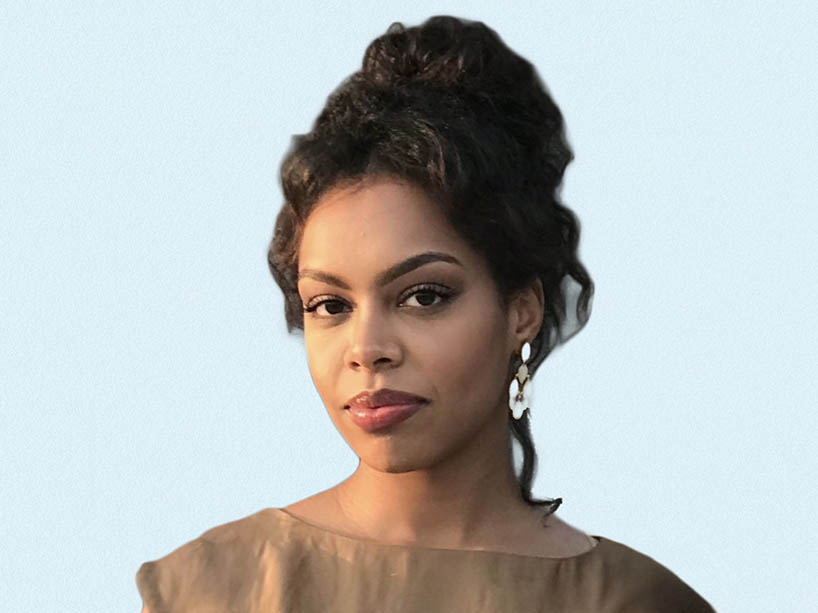
Samah Osman is a committed public health advocate focused on equity, global health and community empowerment. She holds a Bachelor of Health Sciences from Western University and a Master of Public Health from the University of Toronto’s Dalla Lana School of Public Health, where she was honoured with the prestigious Drs. Jeanne Ikeda Douglas & Foch Douglas Fellowship for academic excellence in graduate public health studies.
Her research impact is proven. Osman helped lead a student team that earned first place at Western University’s World’s Challenge Challenge for their innovative solution to reduce cholera infections in vulnerable communities. Their project, ‘Tayeb for Change’, focused on accessible, low-cost interventions developed in collaboration with affected communities. She also received the Lewis Coray Trailblazer Award and PEACE Scholarship from the London Police Service for advancing community well-being and demonstrated academic distinction.
Currently working as a health promotion specialist at the Middlesex-London Health Unit, Osman develops, implements and evaluates health promotion programs to improve population health and create healthy communities. Her professional experience demonstrates her ability to translate research into practical, community-informed solutions.
Born in Sudan and arriving in Canada as a refugee, Osman often served as translator for her parents during medical appointments, providing firsthand insight into systemic barriers within health care systems. Later experiences as a young Black woman in health care settings reinforced her understanding of how physicians can either heal or marginalize patients.
Osman chose to pursue medicine to be part of the solution. She is committed to driving systemic change and creating a health-care environment that is accessible, inclusive and responsive to the needs of all patients.
Adrian Sejdijaj
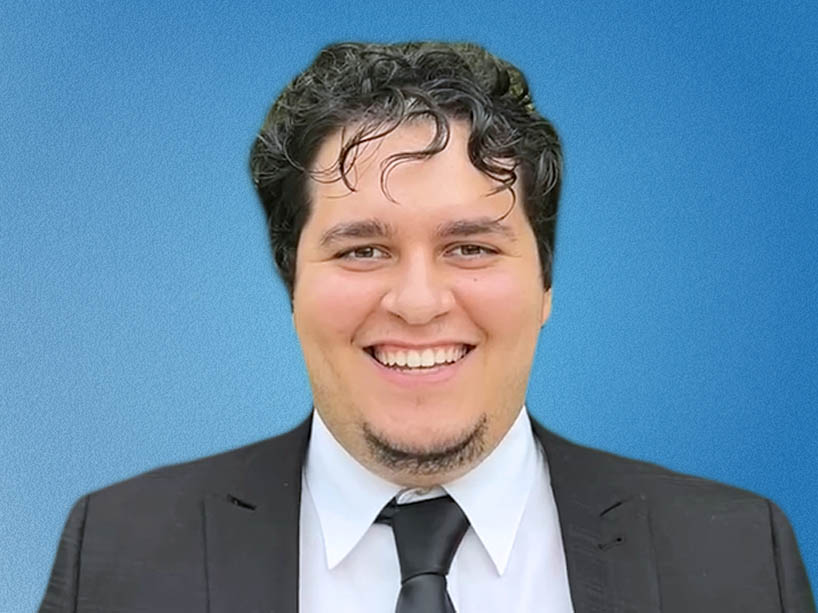
Adrian Sejdijaj combines Armed Forces leadership with academic excellence. He achieved exceptional MCAT scores while working full-time as a first-generation student.
Sejdijaj completed his undergraduate studies in biomedical science with a minor in psychology at TMU. For him, continuing on to TMU’s new School of Medicine felt like a seamless progression.
As the son of Albanian and Brazilian immigrants, Sejdijaj was inspired at an early age by the sacrifices his parents made to build a better life for him and his brother – experiences that instilled in him a deep sense of commitment and service.
He served on TMU’s Medical School Advisory Committee, and as the director and president of TMU’s Mental Health Science Association, leading mental health and well-being initiatives that support thousands of students. He also volunteers as a peer note taker and crash course tutor, aiding students with disabilities and mentoring over 120 peers. Throughout his academic career, he has remained deeply engaged in health advocacy, from student council involvement to peer support.
His four years as a medic in the Canadian Armed Forces further were also very formative, giving him direct experience in clinical settings and reinforcing the importance of collaborative care. Currently working at a military Health Service Centers supporting active service members, Sejdijaj is leaning toward a future in family medicine.
Recognized with awards including the Michael Pautler Leadership Award, the Local Liuna 183 Scholarship and the Land Force Command Surgeon Trophy for top military candidate, Sejdijaj brings integrity to every role. He is committed to advancing equity in health care and building trust with diverse patient communities as he embarks on his medical career.