Author Naomi Klein advocates for pandemic renewal focused on climate justice
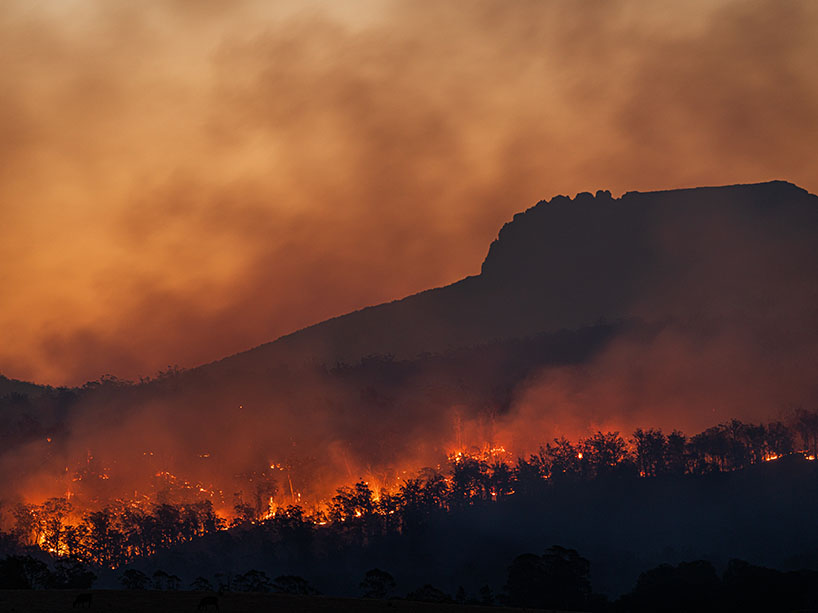
There is a greater role for post-secondary institutions, says Naomi Klein, as we chart a path to a climate action rooted in justice, grounded in Indigenous ways of knowing and accountable to the best science.
To fully and ethically recover from the COVID-19 pandemic, Canada must radically reimagine its society to prioritize climate justice over economic growth.
That was the well-considered and urgent message prominent social activist and bestselling author Naomi Klein shared last week with the university’s community. The online event took place on Sept. 27 as part of Alumni Week and was facilitated by climate organizer and former Ryerson Leadership Lab CanStudyUS fellow Puninda Thind.
In her talk, Klein illuminated the anti-planet logic of the capitalist system and its growth before everything imperative. When the stakes are this high, she said, we cannot rely on the private sector to take bold action on climate. To rebuild an equitable and sustainable society, what’s needed is a non-market, commons-based approach that is co-created by and serves all.
“We are in a period of overlapping and intersecting crises, with roots in an extractive, rapacious worldview -- extractive of people, labour and the planet. We need climate action that simultaneously addresses the crises of social and economic injustice that cleave our nation and our world,” said Klein, the author of eight critically acclaimed books on disaster capitalism, shock politics and globalization.
“The responses must be rooted in the demands of Indigenous rights movements for land back, in demands for Black liberation and migrant rights’ movements, for disinvestment in policing surveillance, incarceration and warfare, accompanied by massive investments in good schools that celebrate diversity of identities, investments in green social housing, investments in union jobs, in the care economy and public transit and community-controlled renewable energy.”
These are issues Klein has thoroughly reported on and analyzed in influential books such as On Fire: The (Burning) Case for a Green New Deal; This Changes Everything: Capitalism vs. the Climate; and her first offering for young readers, this year’s How to Change Everything: The Young Human’s Guide to Protecting the Planet and Each Other. This month, she joined the University of British Columbia as UBC professor of climate justice, where she will focus on how the climate emergency can and must be catalyzed to advance bold, justice-based social transformation.
The one-hour event featured a screening of Klein’s October 2020 animated film, A Message from the Future II: The Years of Repair (external link) , which imagines a future where the lessons of the COVID-19 pandemic and global uprisings against racism propel us to build a better society in which no one is sacrificed and everyone is essential. It’s an inspiring vision of a world with healed ecosystems, green public housing and worker cooperatives cultivated by and for the people.
Weighing in on the results of Canada’s recent federal election, Klein noted how climate action became a signature issue among the Liberals, NDP and Green parties. The election of another minority Liberal government offers us a “malleable moment,” she said, where politicians may be more receptive to demands for a green new deal made by the public, including new grads and others associated with academia.
“There is a greater role for our post-secondary institutions as we chart a path to a climate action rooted in justice, grounded in Indigenous ways of knowing and accountable to the best science. As scholars, as students, as experts in your respective fields, we need you to be part of this conversation.”
Related stories:
- Author Naomi Klein takes on capitalism in the climate change fight at Alumni Week
- What shifts are needed for real impact on climate change?
- Expanding scientific thinking to include traditional teachings