New digital game provides firsthand experience of accessibility challenges
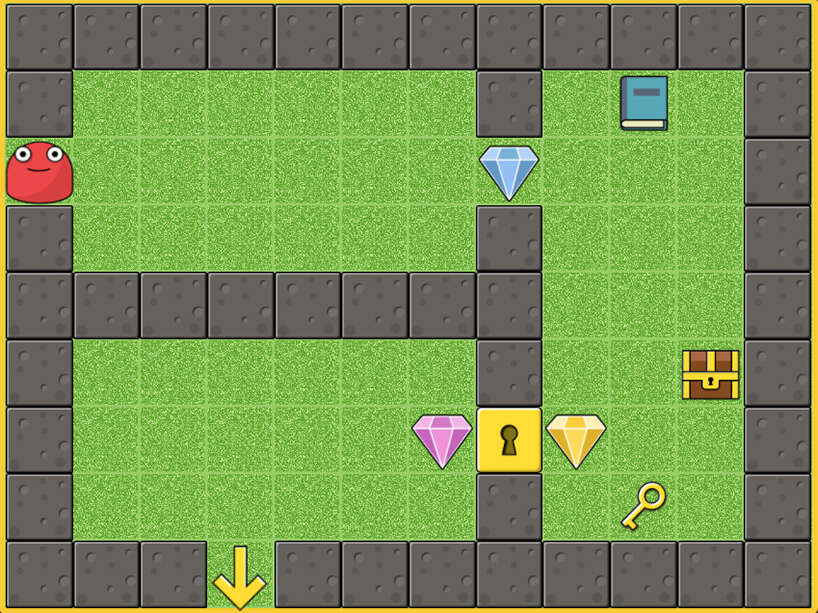
Created by experts in digital education strategies at The Chang School of Continuing Education, the accessibility maze builds empathy and awareness among those who do not experience barriers.
For better or worse, the upward trend in the amount of digital content we consume is probably here to stay, making it increasingly important to prioritize digital accessibility and inclusion to improve the online experience of people with disabilities.
Thursday, May 20 marks the 10th Global Accessibility Awareness Day (external link) that inspires action around digital accessibility – enabling people with disabilities or impairments to experience web-based services and digital content as successfully as people without disabilities.
“As much of learning moved online due to the pandemic with little or no access for students to labs or hands-on activities, games and simulations are an important part of delivering experiential learning opportunities. It is more important than ever that they be accessible to all students, including those with disabilities who may be using assistive technology to access their online learning materials,” said Greg Gay, IT accessibilty specialist at The Chang School of Continuing Education’s digital education strategies unit.
Accessibility Maze
Honoured with the Accessibility Challenge Award at the 18th International Web for all Conference (external link) , the Accessibility Maze is a game created by the digital education strategies team to help people who don’t experience barriers understand how it feels to encounter them regularly as a result of a disability.
With Gay as the subject matter expert, Igor Karasyov led the game design and development and Lars Svekis served as project manager.
“Players will often feel just the right amount of frustration. The game helps build empathy and awareness, so that people remember to apply accessibility principles when they create their own web content, by recalling the experience they had with the game,” Gay explained.
Another purpose of the game, Gay said, is to demonstrate how all games can be made accessible to those using assistive technology, such as a screen reader used by people who are blind to access their computers and surf the web.
The maze introduces many common barriers for players to work around, mirroring the experience of those who encounter these obstacles daily and providing quick lessons on how to avoid or correct them.
Play the game and get firsthand experience of facing barriers on the web at the Accessibility Maze website.
More digital accessibility teaching and learning resources are available at The Chang School’s digital accessibility page.