Democratic engagement will determine how we recover from COVID-19
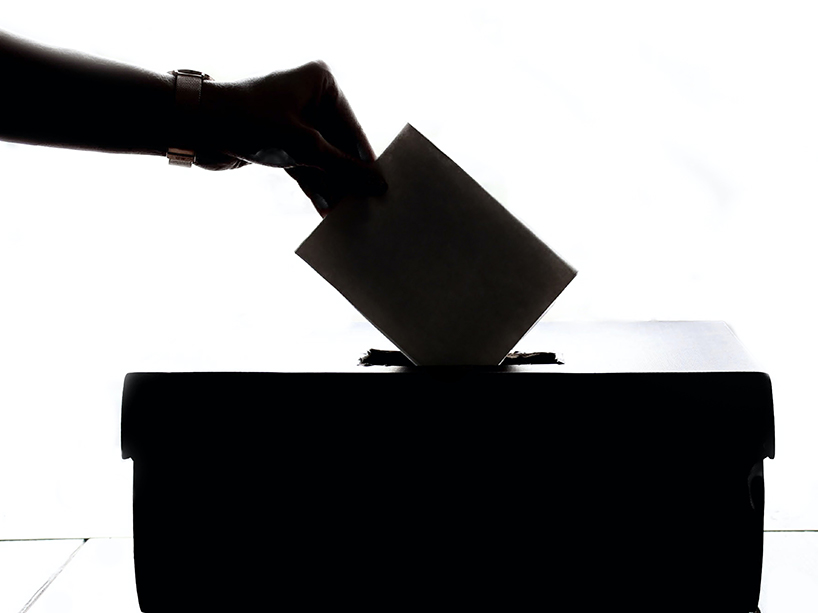
Your voice matters now more than ever, as we find inclusive solutions to today’s biggest social and economic challenges. Photo credit: Element5 Digital.
If there was ever a time for democratic participation, it is now. From public health, systemic racism, economic collapse and unemployment to the spread of disinformation, 2020 has indeed been a year of reckoning. The events of this year have not only brought to the forefront a multitude of civil and social issues that have permeated politics for generations, but have also made increasingly clear the important role of democratic participation in our recovery from COVID-19. Without significant and meaningful civic engagement, how can we demand accountability and action from our elected representatives?
If you’re wondering how you can use your voice to advocate for change, influence public policy and contribute towards strengthening the integrity of our democracy, there are many events happening right here at Ryerson to help you get started.
Reach across differences with the DemocracyXChange Summit
The Ryerson Leadership Lab is confronting these issues through DemocracyXChange (external link) – Canada’s democracy summit being co-hosted with the Open Democracy Project (external link) . The summit is being held virtually from Oct. 13 to 15, followed by a democracy festival from Oct. 16 to 22. Hundreds of leaders, policymakers, activists and thinkers will gather to connect with each other, and to hear the most important and hopeful ideas for making our democracy stronger and more inclusive.
“We still have deep problems of colonialism, racism and inequality in our democratic structures, and the pandemic is driving too many people to isolation, rather than togetherness. That's one of the reasons we're hosting DemocracyXChange, to tackle these issues head-on, and to bring people together in the process," says Karim Bardeesy, executive director of the Ryerson Leadership Lab.
It also provides a chance to engage with people practising democracy in Canada and around the world – enabling us to find new ways to learn, build power and reach across differences. Offering 12 panels with 60 keynote speakers and panelists, the summit will facilitate insightful conversations about matters like the economy, technology and disinformation, digital communication, racial injustice, public health and more.
"The summit aims to help people get enlightened, get connected, and feel hopeful,” Bardeesy added. “We have speakers and participants from across the political spectrum, from across North America and beyond. We're tackling democracy both as an issue (how can we make our democracy stronger?) and democracy as expressed through issues (how can we make our economy, our public health systems, our media more inclusive?) to help build that better democracy.”
The summit uses a virtual, interactive platform where people can listen in on sessions, engage with speakers, or talk with each other. It’s during reading week, and tickets are pay what you can, which allows a larger audience to participate and get connected to the big ideas shaping the conversation about democracy in Canada and around the world.
Engage with experts and community leaders
The Democratic Engagement Exchange in the Faculty of Arts is hosting the Canadian Vote Summit (external link) with events throughout October, bringing together cross-sectoral and interdisciplinary leaders. Each session includes academics who study elections, community leaders who work on the frontlines to help strengthen the voice of people in their community and foster democratic engagement, and public sector leaders committed to making voting safe and accessible.
This year also marks the 10th anniversary of the Ryerson Social Justice Week (SJW), taking place from Oct. 26 to 30. Since its inception, SJW has brought together Ryerson students, staff and faculty, and the broader community on topics related to social justice and solidarity. This year’s theme is Beyond Walls, Beyond Borders and includes events focusing on justice, democracy, political mobilization, labour, global resistance, and feminist activism.
Earlier this month, the Faculty of Arts also launched its fall virtual Democracy Forum (external link) series, with sessions featuring Ontario’s NDP Black Caucus, Premier Doug Ford, Calgary mayor Naheed Nenshi, and former ambassador to the United States, David McNaughton. The topics discussed ranged from the marginalization of racialized communities, protests against racial injustices and police abuses, challenges to post pandemic recovery, and the effects of American politics in Canada.
The underlying message of each event is how these issues can and have led to a rise in democratic engagement. You can still catch the last session of the Democracy Forum on Nov. 12, focusing on the lives and stories of Tibetan refugees.
Our voice matters now more than ever
These actions, conversations and events make one thing clear – we haven’t lost hope. The value of our vote remains intact, and it’s our duty to leverage our voices and elect officials who are willing to fight systemic issues, and have both their community and the country’s best interests at heart.
"The state of democracy may appear dire, if we wallow in despair at the information pollution coming from the United States and the authoritarian trends elsewhere. But in Canada, there are reasons for hope,” says Bardeesy. “Our political parties are becoming more representative. Our political system has worked to get benefits to people who need them during the pandemic. Where the pandemic response has been lacking, communities have rallied from the ground up to press for change, to demand that their rights be respected.”
For most of 2020, the public health emergency posed by the onset of the COVID-19 pandemic has shed light on an array of deep-rooted socio-economic issues, leading to heightened division and civil unrest. This fall, join us in learning more about how our values and opinions can be adequately reflected in the policies and laws that we are subjected to. For a full list of events addressing the issues that directly affect our community and beyond, visit ryerson.ca/news-events/events/.