Namibia
The Namibia Child & Youth Research Collaborative (NCYRC) brings together researchers and research users committed to advancing knowledge and evidence-based decision-making for the wellbeing of children and young people in Namibia. We foster collaboration among scholars, advocate for research and evaluation that inform policies and programs and mobilize resources to strengthen research capacity.
Members
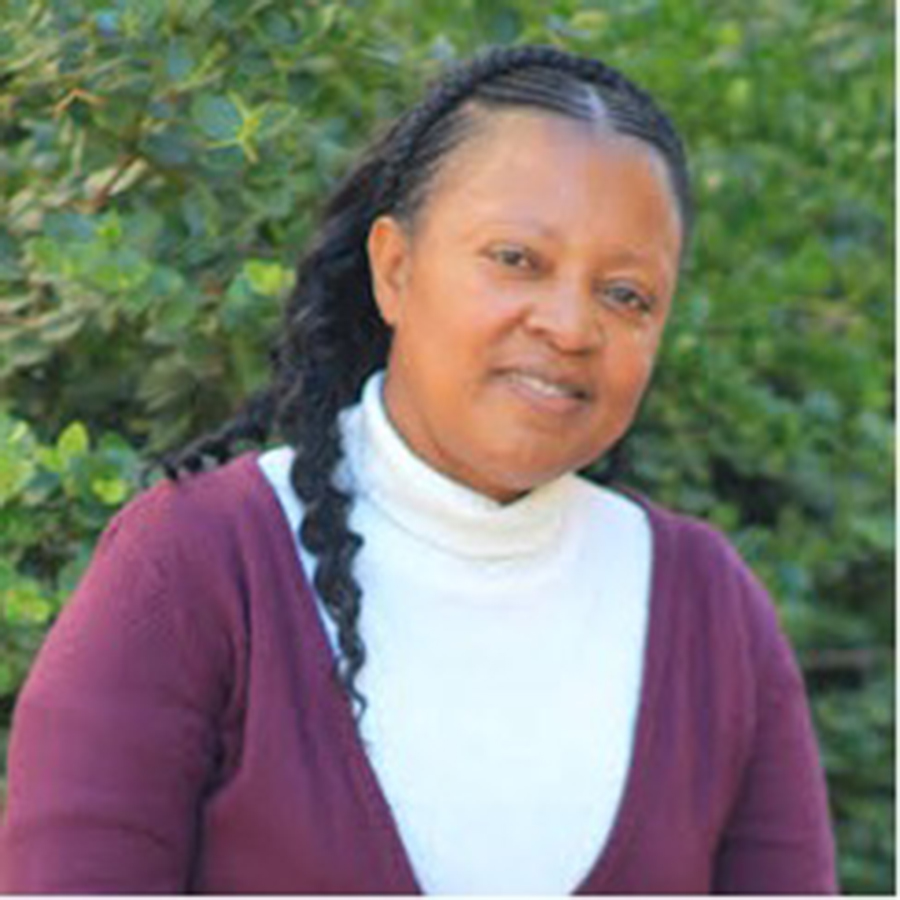
Janet Agnes Ananias, PhD
Associate Professor
University of Namibia

Jill Brown, PhD
Professor
Creighton University
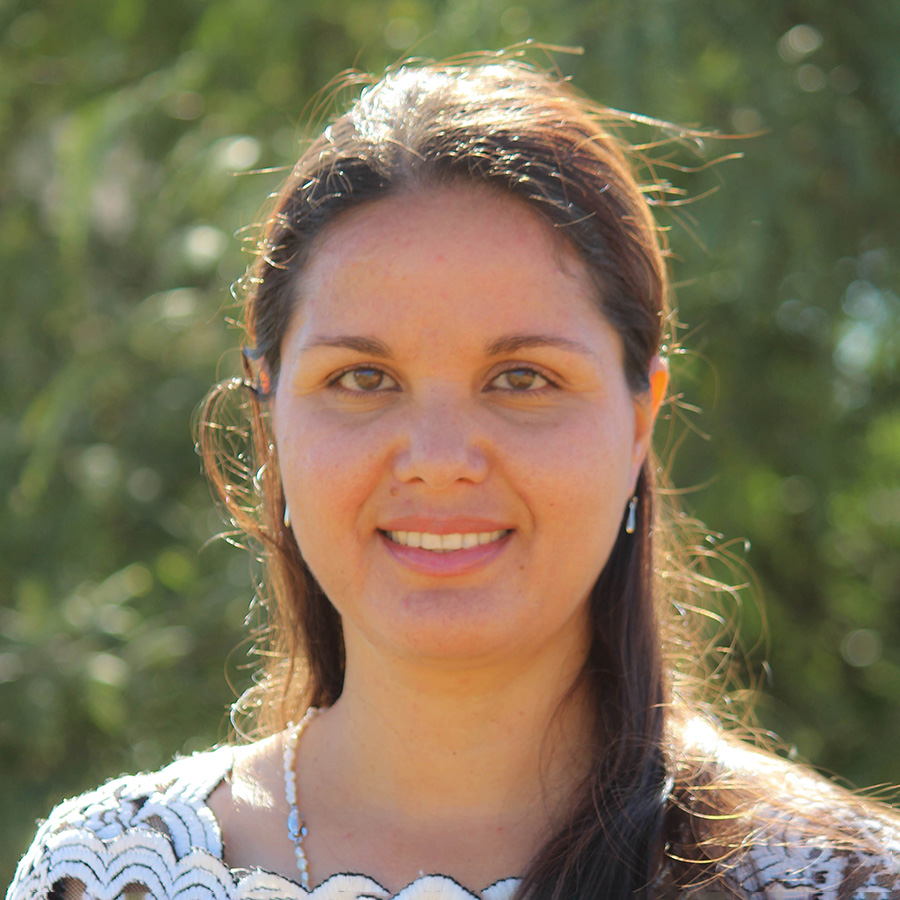
Shelene Gentz, PhD
Associate Professor
University of Namibia
Janet is teaching in the Social Work program at the University of Namibia. She holds a PhD from North West University, South Africa. She is teaching a wide range of courses such a as Introduction to Social Work and Social Welfare, Family Therapy, Narrative Therapy, Social Work Management and Field Education. Her research interest includes child and family care, mental health, and intergenerational care. She has presented numerous papers on these topics in national and international conferences.
Ananias, J., Bromfield, N., Kamwanyah, N. J., & Leonard, E. (2023). Reconsidering social work education in Namibia: past, present, and future, (external link) Social Work Education, DOI: 10.1080/02615479.2022.2161504
Ananias, J., Leonard, E., Sharley, V. (2021). The role of the extended family in alleviating child poverty and inequalities in Namibia. International Federation of Social Work-IFSW Africa 2021 Ubuntu social work conference, Virtual conference Kigali, Rwanda. 23rd to 26th November 2021.
Gibson, P., Ananias, J., Freeman, R., & Chilwalo, N. (2022). Social Work and Social Policy in Namibia. Encyclopedia of Social Work. (external link) Retrieved 29 May. 2022.
Leonard, E., Ananias, J. & Sharley, V. (2022). ‘It takes a village to raise a child: everyday experiences of living with extended family in Namibia’ (external link) , Journal of the British Academy, 10(s2): 239–261.
Sharley, V., Ananias, J., Leonard E. Ottaway, H. (2020). Professional Understandings of Child Neglect in Namibia (external link) . Policy Briefing 90. Policy Bristol.
Sharley V., Ananias, J., Leonard E. Ottaway, H. (2020). Children in Informal Care Arrangements with Extended Family: messages for best practice in Namibia (external link) . Policy Briefing 89. Policy Bristol
Jill is a scholar, a mother, and a poet. She was trained at the University of Nebraska-Lincoln in developmental psychology and anthropology. Today, she serves as the Executive Director of the Kalahari Peoples Fund that supports the rights of the indigenous San communities to health, education, livelihood, land and language, in southern Africa. She also works as a Professor of Psychological Science at Creighton University in the USA. As a child, she was adopted into a farm family in rural Nebraska, on the traditional lands of the Pawnee. She has lived in this land most of her life but spent some significant years living in Namibia and India. Most of her work over the last 25 years has examined kinship and childcare practices, specifically the gifting of children and alloparental care in and out of times of crisis in communities in southern Africa. She has learned how children are gifted, and shared, how parents refuse and negotiate and how beliefs about suffering and perseverance shape these practices. Her current research explores how worldview informs sharing practices cross culturally and our evolutionary developmental nests.
Brown, J., Kamwanyah, N., & Budesheim, T. (2023). A Stranger Has Big Eyes But Sees Nothing: How Indigenous Social Welfare Systems Endure and Survive the Dark Side of International Aid. (external link) Community Development.
Brown, J., Kennedy, O., Rangel-Pacheco, A., Kamwanyah, N. (2019). Parenting into two worlds: How practices of kinship fostering shape development in Namibia, southern Africa. Ashdown, B & Flaugherty, A (Eds). Parents and Caregivers Across Cultures. Springer (#*)
Talamente, D., & Brown, J. (2019) Decolonizing Psychology: Lessons from the classroom and the bush (external link) . Eye on Psi Chi., 24 (1). (#*)
Brown, J. & Bartholomew, T. (2019). Entering the ethnographic mind: A theory of using ethnography in psychological research. (external link) Qualitative Research in Psychology
Brown, J. (2018). “Raising another’s child”: Gifting, communicating, and persevering in northern Namibia. de Guzman, M. R. T., Brown, J., & Edwards, C. P. E. (Eds.) Parenting from Afar and the Reconfiguration of Family Across Distance. New York: Oxford University Press.
Edwards, C.P., Ren, L., and Brown, J. (2015). Early contexts of learning: Family and community socialization during infancy and toddlerhood. In L. Jensen (Ed.). Oxford Handbook of Human Development and Culture: An Interdisciplinary Perspective. Pp. 1-19. New York: Oxford University Press.
Brown, J. and Bartholomew, T. (2014). Mothering, brothering and othering. Child fosterage and kinship among Ovambo families in northern Namibia. K. Rhine, J. Janzen, G. Adams, and H. Aldersey (Eds.) Medical Anthropology in Global Africa. Pp: 119-128. Lawrence, KS: University of Kansas Press
Brown, J. (2013). Morals and maladies: Life histories of socially distributed care among Aaumbo women in Namibia, southern Africa. Journal of Critical Southern Studies, 1(1), 60-79.
Brown, J. (2013). When all the children are left behind: An exploration of fosterage of Ovambo orphans in Namibia, Southern Africa. In R. Hitchcock and D. Johnston (Eds). Vulnerable Children: Global Challenges in Education, Health, Well-Being and Child Rights. pp: 185-202. New York: Springer
Brown, J. (2011). Child fostering chains among Owambo families in Namibia. Journal of Southern African Studies, 31(1), 155-176.
Brown, J. (2009). Child fosterage and the developmental markers of Ovambo children in Namibia: A look at gender and kinship. Childhood in Africa: An interdisciplinary journal, 1, 4-10.
Brown, J. Sorrell, J., & Raffaelli, M. (2005). An exploratory study of sexuality, masculinity, and HIV/AIDS in Namibia, Southern Africa. Culture, Health & Sexuality 7(6), 585-598.
Books
de Guzman, M. R. T., Brown, J., & Edwards, C. P. E. (Eds.) (2018). Parenting from afar: Reconfiguring family across distance. New York: Oxford University Press.
Shelene is an Associate Professor in the Psychology and Social Work Department at the University of Namibia, where she teaches on both the undergraduate and Master’s programmes in Clinical Psychology. Her research advances knowledge in the areas of child and adult mental health and cross-cultural psychology, focusing specifically on child well-being and investigating factors such as the effects of HIV, parenting practices, and child trauma. Drawing on her prior experience as a clinical psychologist in child protection, trauma, and community psychology, Shelene integrates practitioner insights directly into her teaching and research methodologies. She currently serves as the Vice Chairperson of the Social Work and Psychology Board of Namibia, contributing to professional governance and standards across the nation.
Bartholomew, T. T., Gentz, S. G., Uupindi, V., Abadi, T., Suigihara, A., Joy, E. E., Robbins, K. A., Maldonado Aguiñiga, S., & Asino, E. (2025). Perceptions of suicide and mental illness causes/treatments among Aawambo Namibians: An urban-rural vignette study. International Perspectives in Psychology: Research, Practice, Consultation.
Gentz, S., Ruíz Casares, M., & Casas, F. (2024). The self-reported well-being of children in Namibia: Testing hedonic and eudaimonic instruments (external link) . Journal of Psychology in Africa, 34(3), 274–284.
Van Schalkwyk, J. And Gentz, S. (2023) Factors affecting resilience in Namibian children exposed to parental divorce: A Q-Methodology study. Frontiers in Psychology. 14:1221697. Doi:10.3389/fpsycg.2023.1221697.
Gentz, S., Chouinard, L.J. and Ruiz-Casares, M. (2022). Time use and time use satisfaction: An examination of children’s out of school activities in Namibia. Journal of the British Academy, 10(s2): 1-24.
Gentz, S., Zeng, C. and Ruiz-Casares, M. (2021). The role of individual-, family-, and school-level resilience in the subjective well-being of children exposed to violence in Namibia, (external link) Child Abuse & Neglect, 119 (2), doi:/10.1016/j.chiabu.2021.105087.
Bakare, K. & Gentz, S.G. (2020) Experiences of forced sterilisation and coercion to sterilize among Women Living with HIV (WLHIV) in Namibia: An analysis of the psychological and socio-cultural effects. Sexual and Reproductive Health Matters.
Bartholomew, T.T., & Gentz, S.G. (2019) “How can we help you”: Mental Health Practitionars’ experiences of service provision in Northern Namibia. (external link) Cult Med Psychiatry 43, 496-518.
Gentz, S.G., Calonge-Romano, I., Martínez-Arias, R., Zeng, C. & Ruiz-Casares, M.(2018). Mental health among adolescents living with HIV in Namibia: the role of poverty, orphanhood and social support, (external link) AIDS Care, 30:2, 83- 91 DOI: 10.1080/09540121.2018.1469727
Gentz, S. G., Calonge-Romano, I., Martínez‐Arias, R., & Ruiz‐Casares, M. (2017). Predictors of mental health problems in adolescents living with HIV in Namibia. (external link) Child and Adolescent Mental Health, 22(4), 179-185. doi:10.1111/camh.12247
Gentz, S. & Ruiz-Casares, M. (forthcoming). Namibia. In J.S. Hong, R. Thornberg, V.J. Llorent, & Z. Han (Eds.), Bullying of children and adolescents: A global perspective. Edward Elgar Publishing, Ltd.
Ruiz-Casares, M., Gentz, S., & Beatson, J. (2018). Children as Providers and Recipients of Support: Redefining Parenting Among Child-Headed Households in Namibia. In R. de Guzman, J. Brown & C. Pope Edwards. (Eds.), Parenting from Afar: The Reconfiguration of the Family Across Distance (pp219-244). New York: Oxford University Press
Gentz, S. & Ruiz-Casares, M. (2016). Gender and HIV in Namibia. The Contribution of Social and Economic Factors in Women’s HIV Prevalence. In James S. Etim (Ed.) Introduction to Gender Studies in Eastern and Southern Africa: A Reader. Rotterdam, The Netherlands: Sense Publishers.
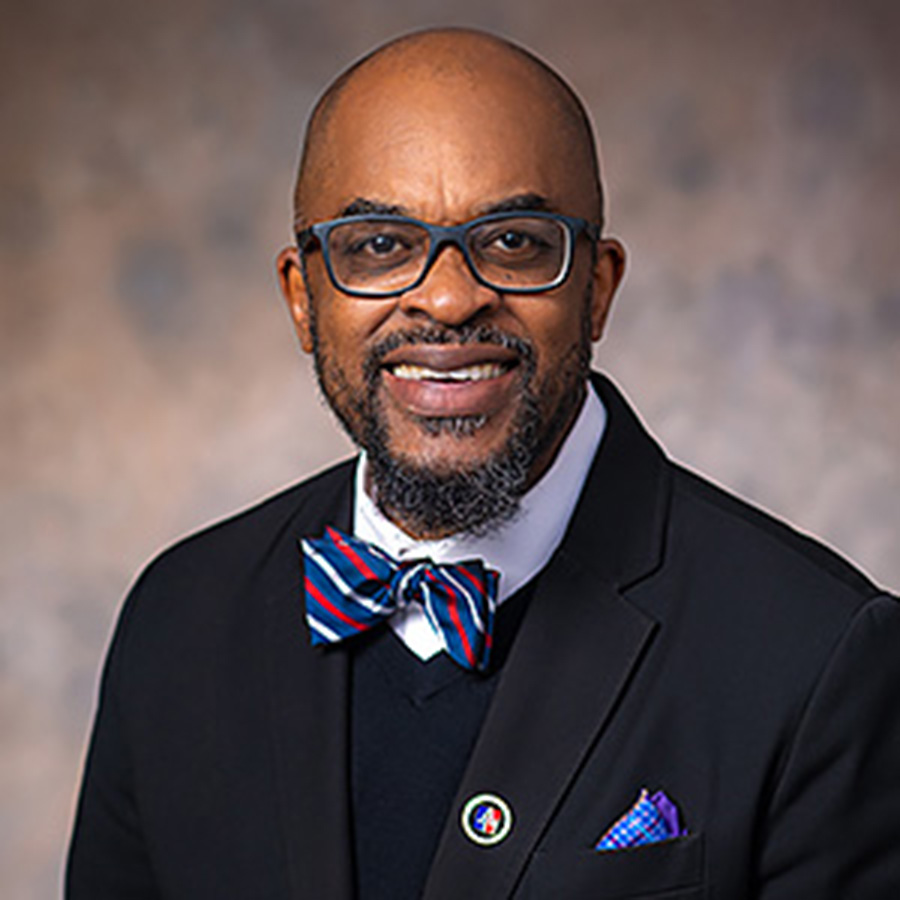
Rodney KM Hopson, PhD
Interim Dean and Professor
American University
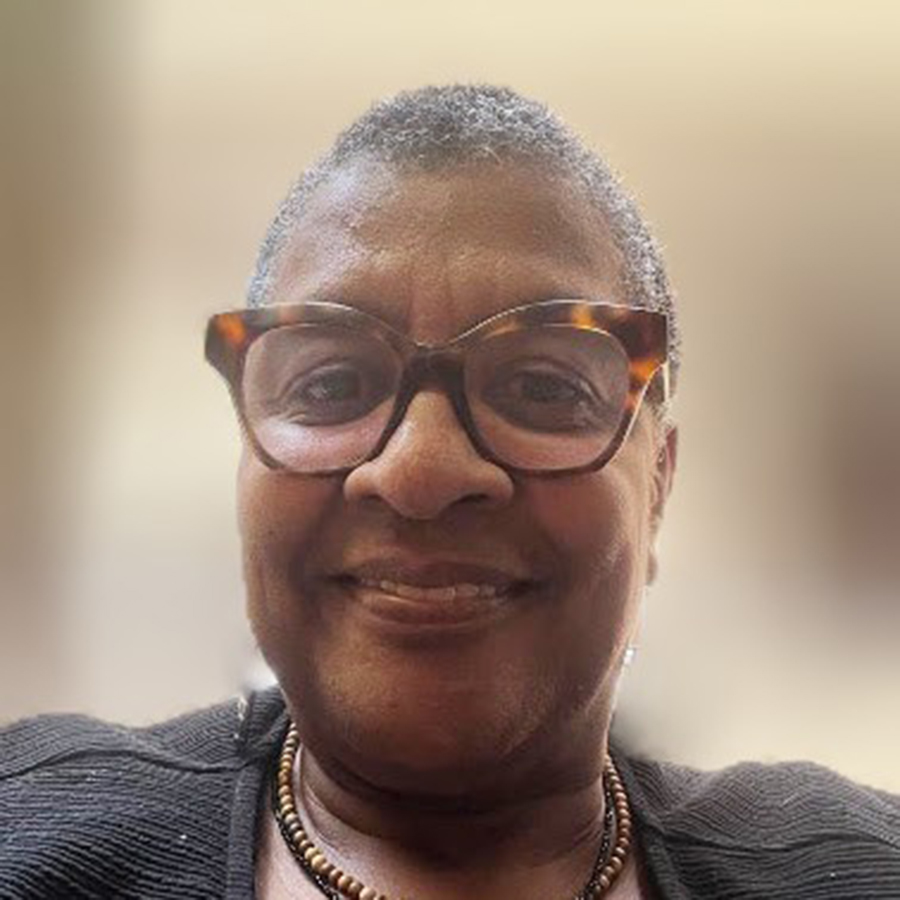
Rosa Marina Johnson, PhD
Research Associate and Office of the Vice Chancellor
University of Namibia

D. Christine Massing, PhD
Associate Dean and Professor
University of Regina
Rodney is an accomplished scholar, academic leader and thought partner who serves as Interim Dean and Professor, School of Education where he served in other dean roles since arriving in August 2023. He received his doctorate from the Curry School of Education, University of Virginia, with major concentrations in educational evaluation, anthropology, and policy, and sociolinguistics.
Central to his research agenda over the last 25 years are questions that analyze and address the differential impact of education and schooling on marginalized and underrepresented groups in diverse global nation states. Rodney’s cumulative work is driven by quests to understand the role of language as a harbinger of social and educational change, especially in post-apartheid and postcolonial nation states that wrestle with the tensions and opportunities of democracy and freedom. Rodney has affiliated previously in the Faculty of Education, University of Namibia as a JW Fulbright Scholar and the Centre of African Studies, Cambridge University (UK).
Hopson, R. (2010). Language Rights and San in Namibia: A fragile and ambitious but necessary proposition. International Journal of Human Rights, 15(1), 111-126.
Books
Hopson, R., Yeakey, C.C., & Boakari, F. (Eds.) (2008). Power, voice and the public good: Schooling and education in global societies. Elsevier.
Brock-Utne, B. and Hopson, R. (Eds.) (2005). Languages of instruction for African emancipation: Focus on postcolonial contexts and considerations. The Centre for Advanced Studies of African Society/Mkuki na Nyota.
Book Chapters
Hopson, R. (2011). Reconstructing ethnography and policy in colonial Namibian schooling: Historical perspectives of St. Mary’s High School at Odibo. In McCarty, T.L. (Ed.). Ethnography and language policy (pp. 99-118). Routledge/Taylor & Francis Group.
Hopson, R. (2009) “Oshinglisha oshapi eyi etia teka” English, colonial power, and education in the 20th and 21st century Owambo, Namibia. In Brock-Utne, B. & Garbo, G. (Eds.). Language and power: Implications of language for peace and development. Mkuki na Nyota/ABC.
Hopson, R.K. & Hays, J. (2008). Schooling and education for the San (Ju|’hoansi) in Namibia: Between a rock of colonialism and the hard place of globalization. In Hopson, R.K. , Yeakey, C.C., & Boakari, F. (Eds.). Power, voice and the public good: Schooling and education in global societies (pp. 171-197). Emerald.
Hopson, R.K. (2005). Child protection and survival in southern Africa: Focus on child welfare policy in Namibia. C.C. Yeakey, T.A. Reed, & J.W. Richardson, Eds. Suffer the little children: National and international dimensions of child poverty and policy. (pp. 307-334). Elsevier.
Hopson, R. (2005). Paradox of English-Only in post-independent Namibia: Toward whose education for all? In B. Brock-Utne. & R. Hopson (Eds.). Languages of instruction for African emancipation: Focus on postcolonial contexts and considerations(pp. 89-118). The Centre for Advanced Studies of African Society/Mkuki na Nyota.
Hopson, R.K. (2001). Transformation of higher education in Namibia:
Challenges and opportunities for the University of Namibia. R. O. Mabokela & K. L. King, Eds. Apartheid no more: Case studies of Southern African universities in the process of transformation (pp. 121-138). Greenwood Publishing Group.
Hopson, R.K. (1993). Language utilization in social science research. H.H. Prah, ed. Social science priorities for Namibia (pp. 192-189). Creda Press.
Reports
Hays, J. & Hopson, R.K. (2010). Evaluation of the Norwegian Association of Namibia San Education Project. Elverum, Norway: NAMAS.
Rosa is an experienced Medical Anthropologist, with expertise in contemporary social issues, gender and vulnerability studies, and social inequality and well-being. She also has a background in adult education, including e-learning and distance education. She has designed curriculum for Sociology/Anthropology programmes in her capacity as senior academic at the University of Namibia and as Head of Department for more than 15 years. She has coordinated exchange programmes of academic staff and students with universities around the world and provides technical advice on reproductive health education to UNDP and UNICEF, and on child marriage and violence to the Namibia Ministry of Health. She has taken various roles as Lead Investigator to research during COVID-19 with universities within Namibia and currently Lead researcher with a study in the Bwatha Park Kavango region working on transfer of Indigenous knowledge. Her current work also extends to children, nutrition, and sustainability. She is IKS Academic partner for networks working in Social Behavior Change (SBC) with UNICEF through cultural heritage, identity and community-led innovation, especially in relation to children’s rights and inclusive development.
Christine researches in the fields of migration studies and early childhood education, focusing on how educators, early childhood students, and families from immigrant and refugee-backgrounds experience the tensions between their own culturally-constructed knowledges, beliefs, and values and the Western dominant early childhood care and teaching practices. Relatedly, she was part of a team researching the ways in which globalization and colonization have influenced the inclusion or exclusion of local, indigenous knowledges and practices in the context of teacher education in Canada, Colombia, and Namibia. She is the former President of the Canadian Association for Research in Early Childhood, Professor of Education, and Associate Dean in the Faculty of Graduate Studies at the University of Regina, Canada. As a teacher, instructor, and curriculum developer, she previously lived and worked in Guatemala, Mexico, Japan, Egypt, and Colombia.
Prochner, L., Cleghorn, A., Kirova, A., & Massing, C. (2014). (PDF file) Culture and practice in early childhood teacher education: A comparative and qualitative study. The International Journal of Multidisciplinary Comparative Studies, 1(1), 8-34.
Books
Prochner, L., Cleghorn, A., Kirova, A., Massing, C. (2018). La formación de docentes en contextos diversos: Crear un espacio para el encuentro de cosmovisiones. Universidad del Valle Press.
Prochner, L., Cleghorn, A., Kirova, A., & Massing, C. (2016). Teacher education in diverse settings: Making space for intersecting worldviews. Sense Publishers.
Book Chapters
Kirova, A., Massing, C., Prochner, L., & Cleghorn, A. (2018). Rethinking insider-outsider views in research processes across cultures. In S. Madrid, M.J. Moran, R. Brookshire, & M. Buchanan (Eds.), Collaborative research methodologies in diverse early care and education contexts. Routledge Press.
Prochner, L., Cleghorn, A., Kirova, A., & Massing, C. (2017). Preparing early childhood educators in diverse settings: Making space for integrated worldviews. Invited chapter in F-M Konrad, P. Erath, & M. Rossa (Eds.), Der Kindergarten als Bildungseinrichtung: Pädagogische, didaktische und methodische Aspekte einer bildungstheoretischen Vertiefung der Arbeit mit Kindern (pp. 151-168). Klinkhardt.
Prochner, L., Cleghorn, A., Kirova, A., Massing, C. (2015). Early childhood teacher education in Namibia and Canada. In N. Popov, & A.W. Wiseman (Eds.), Comparative sciences: Interdisciplinary approaches (pp. 83-95). Emerald.
Conference Proceedings
Prochner, L. Cleghorn, A., Kirova, A., Dachyshyn, D., & Massing, C. (2014). Culture and education in early childhood teacher education in Namibia and Canada. In N. Popov, C. Wolhuter, K. Ermenc, G. Hilton, J. Ogunleye, O. Chigisheva (Eds.). Education's role in preparing globally competitive citizens, volume 12 (pp. 39-46). Sofia, Bulgaria: Bureau for Educational Services.

Marika Oikarinen, PhD
University Teacher
University of Oulu
Mónica Ruiz-Casares, PhD
Professor
Toronto Metropolitan University & McGill University

Maria Helena Saari, PhD
Postdoctoral Research Fellow, Faculty of Education & Psychology
University of Oulu
Marika is a teacher educator and researcher currently working at the University of Oulu in the Intercultural Teacher Education Program. She has worked over a decade as a project coordinator and a teacher educator in Southern Africa, particularly Namibia. Her Phd focused on educational marginalization and explored how to develop a more just education in the hard-to-reach and hard-to-teach contexts. She is actively involved in north-south higher education institutional collaboration and is passionate about developing meaningful partnerships that spearhead transformation and inspire sustainable and equitable (teacher) education.
Eta, E. A., Tiensuu, M., Brito Salas, K., Georges, A., Kontio, H., Lehtomäki, E., Oikarinen, M., Nghikembua, T., & Shingenge, N. F. (2025). Towards good higher education partnerships: A co-constructed model. (external link) Nordic Journal of Comparative and International Education, 9(3).
Oikarinen, M., Jonas, M., Haihambo, C. K., Likando, G., & Sheyapo, M. (2025). Culturally responsive teacher education for all: Review of teachers and teaching in public schools from San communities’ perspectives. (external link) Knowledge Cultures, 13(2), 133–156.
Matengu, M., Korkeamäki, R.-L. & Cleghorn, A. (2019). Conceptualizing meaningful education: The voices of indigenous young children. (external link) Learning, Culture and Social Interaction, 22 (Art. 100242), 1-9.
Matengu, M., Cleghorn, A., & Korkeamäki, R.-L. (2018). Keeping the national standard? Contextual dilemmas of educational marginalization in the view of Namibian policy actors. (external link) International Journal of Educational Development, 62(September), 128-135.
Matengu, M. (2018). Learning in the most marginalized contexts: Namibian teachers' folk pedagogy in pre and lower primary classrooms. (external link) Journal for Studies in Humanities and Social Sciences, 7(2), 121-139.
Publications for professional communities
Publications for the general public
Poulton-Busler, R., Shingenge, F. & Matengu, M. (28.6.2023). Imagining global education and learning for a just, peaceful, and sustainable world (external link) (article published in GINTL website).
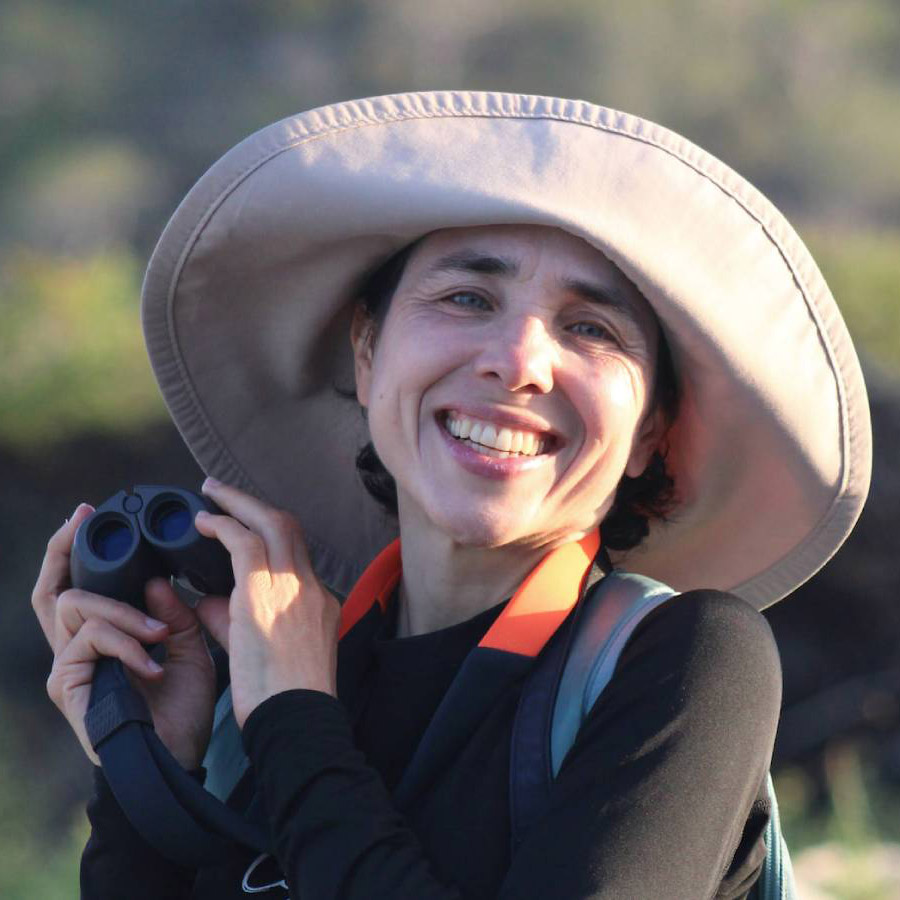
Mónica has trained in Law, evaluation of human services, policy analysis & management, international development, and transcultural child psychiatry. She leads mixed-methods studies and evaluations on children’s rights and well-being internationally, primarily in low- and middle-income countries, with migrants and refugees, and in contexts of parent–child separation. In Namibia, her research addresses child protection and well-being in diverse cultural settings. She conducted the first studies on child-headed households and child depression in Namibia in the early 2000s and continues to lead research on child-to-child care and children’s subjective well-being, including the International Survey of Children’s Subjective Wellbeing with Dr. Gentz. This survey featured a unique module on children’s experiences home alone, aligning with her global research program on non-adult child supervision. Mónica is a Credentialed Evaluator with the Canadian Evaluation Society, and Co-Chair of the International Society for Child Indicators.
Gentz, S. & Ruiz-Casares, M. (forthcoming). Namibia. In J.S. Hong, R. Thornberg, V.J. Llorent & Z. Han (Eds.), Bullying: Global case studies in policy and prevention for young people. Edward Elgar Publishing, Inc.
Gentz, S., Ruiz Casares, M., & Casas, F. (2024). The self-reported well-being of children in Namibia: Testing hedonic and eudaimonic instruments. (external link) Journal of Psychology in Africa, 34(3), 274–284.
Gentz, S., Chouinard, L.J., & Ruiz-Casares, M. (2022). Time use and time use satisfaction: An examination of children’s out of school activities in Namibia. (external link) Special Issue “Searching for the Everyday in African Childhoods”, Journal of the British Academy, pp. 59-82.
Gentz S, Zeng C, & Ruiz-Casares M. (2021). The role of individual-, family-, and school-level resilience in the subjective well-being of children exposed to violence in Namibia. Child Abuse Negl. (external link) 119(Pt 2):105087. doi: 10.1016/j.chiabu.2021.105087. Epub 2021 May 13. PMID: 33992423.
Gentz, S., Calonge Romano. I., Martínez Arias, R., and Ruiz-Casares, M. (2018) Mental Health Among Adolescents Living With HIV in Namibia: the Role of Poverty, Orphanhood and Social Support. (external link) AIDS Care, 30(sup2), 83-91. doi:10.1080/09540121.2018.1469727 †
Gentz, S., Calonge Romano, I., Martínez-Arias, R., & Ruiz-Casares, M. (2017). Predictors of Mental Health Problems in Adolescents Living with HIV in Namibia. (external link) Child and Adolescent Mental Health, 22(4), 179-185. doi:10.1111/camh.12247.
Gentz, S. & Ruiz-Casares, M. (2016). Gender and HIV in Namibia. The Contribution of Social and Economic Factors in Women’s HIV Prevalence (pp. 247 – 256). In James S. Etim (Ed.) Introduction to Gender Studies in Eastern and Southern Africa: A Reader. Rotterdam, The Netherlands: Sense Publishers.
Ruiz-Casares, M. (2020). Child-Headed Households. SAGE Encyclopedia of Children and Childhood Studies, 1, 296-298. Daniel Thomas Cook (Ed.). Thousand Oaks: SAGE Publications. ISBN: 9781473942929
Ruiz-Casares, M., Gentz, S., & Beatson, J. (2018). Children as Providers and Recipients of Support: Redefining Parenting Among Child-Headed Households in Namibia. In Maria Rosario T. de Guzman, Jill Brown, Carolyn Pope Edwards (Eds.) “Parenting From Afar: The Reconfiguration of the Family Across Distance.” Oxford University Press.
Ruiz-Casares, M. (2013). Finding the balance between protection and participation: What do you do when follow services are not readily available? (pp.13 – 133). In Graham, A., Powell, M., Taylor, N., Anderson, D. & Fitzgerald, R. Ethical Research Involving Children. Florence: UNICEF Office of Research - Innocenti.
Ruiz-Casares, M. (2013) Knowledge without harm?: When follow-up support is not readily available. In Negotiating ethical challenges in youth research, edited by K. te Riele & R. Brooks. New York: Routledge Press, pp. 84 – 95.
Ruiz-Casares, M. (2012). Building Trust, Enhancing Research: Carrying Out Fieldwork in Namibia. In L.-H. Smith and A. Narayan (Ed.), Research Beyond Borders: Multidisciplinary Reflections (pp. 75 – 93). Lexington, MA: Lexington Press.
Ruiz-Casares, M. (2010). Kin and Youths in the Social Networks of Youth-Headed Households in Namibia. Journal of Marriage and Family, 72(5), 1408 – 1425.
Ruiz-Casares, M. (2009). Between Adversity and Agency: Child and Youth-Headed Households in Namibia. Vulnerable Children & Youth Studies, 4 (3), 238 – 248.
Ruiz-Casares, M. (2008). Namibia. In The Encyclopedia of Africa and the Americas, edited by R. M. Juang and N. Morrissette. Santa Barbara: ABC-CLIO, pp. 799 – 802.
Ruiz-Casares, M. (2007). How did I become the parent? Gendered Responses to New Responsibilities Among Namibian Child Headed-Households. In Unraveling Taboos: Gender and Sexuality in Namibia, edited by Dianne Hubbard and Suzanne LaFont. Windhoek, Namibia: Legal Assistance Centre, pp.18 – 166.
Ruiz-Casares, M. (2007). Namibia. In Worldmark Encyclopedia of the Nations, edited by Tim Gall and Susan Gall. Cleveland, OH: Thomson Gale.
Ruiz-Casares, M. (2006). Strengthening the capacity of child-headed households to meet their own needs: A social networks approach (Doctoral dissertation, Cornell University). Cornell University.
Ruiz-Casares, M. (2005). Meeting Their Own Needs: A Study of Child-Headed Households in Namibia. In 3rd National Conference on Orphans and Vulnerable Children: “Are We Meeting the Needs of Our OVC?” Full Report. Windhoek, Namibia: Ministry of Women Affairs and Child Welfare.
Ruiz-Casares, M. & Gentz, S., with Gouin, S. (2021). Children’s Worlds Survey – Khomas Region 2018. Windhoek, Namibia and Montreal, Canada: McGill University and University of Namibia.
Ruiz-Casares, M. & Gentz, S. (2019) Subjective Wellbeing Among Children in NAMIBIA: Children’s Worlds Country Report. Montreal, Canada; Windhoek, Namibia: McGill University and University of Namibia.
Ruiz-Casares, M., Thombs, B., and Rousseau, C. (2009). The Association of Single and Double Orphanhood with Symptoms of Depression Among Children and Adolescents in Namibia. European Child & Adolescent Psychiatry, 18(6), 369 – 376.
Talbot, K., Talavera, P., Schutz, F., & Ruiz-Casares, M. (2023). Pre-/Post-Assessment of a sexual and reproductive health training program for young people in Namibia. (external link) Global Journal of Health Science, 15 (1): 47-57. doi: 10.5539/gjhs.v15n1p47.
Maria is a Postdoctoral Research Fellow at the University of Oulu, specialising in environmental education research. With an interdisciplinary background spanning education, translation and interpreting studies, and animal law, she has spent a decade advancing theory and practice at the intersections of international relations, animal law, and environmental education. She is currently Co-lead of the Education WP in the MUST: Enabling Multispecies Transitions project and Co-lead of the Strategic International Partnership (2025-26) between the University of Oulu and the University of Namibia focusing on human-animal coexistence, environmental education, youth leadership, and community-led governance. She has led international environmental education research initiatives, developed curriculum for the International Baccalaureate Organization, and founded teacher education courses on environmental education. Passionate about transdisciplinary collaboration, she works with NGOs, schools, and other actors to build communities of practice for multispecies flourishing. Maria served as Co-lead of the Environmental Education Working Group in the Global Innovation in Teaching and Learning project (2021-24) between UNAM and Oulu.
Saari, M. H., Poulton-Busler, R., & Vladimirova, A. (2024). (PDF file) Does sustainability really start with teachers? Reflections on integrating environmental education in pre-service teacher education in Namibia and Finland. The Journal of Environmental Education, 55(6), 494–508. https://doi.org/10.1080/00958964.2024.2375210

Victoria Sharley, PhD
Senior Lecturer
University of Bristol

Philippe Robert Jean Talavera, PhD
Director
Ombetja Yehinga Organisation (OYO)
Victoria is a Senior Lecturer in Social Work in the School for Policy Studies, and Co-Director of the Centre for Childhoods & Social Justice at the University of Bristol. She is an active member of the Perivoli Africa Research Centre (PARC) at the University where she supervises doctoral candidates undertaking sensitive research with children and families in Zimbabwe and Kenya.
Her research interests lie primarily in child welfare, care, and protection inter-disciplinary and international social work practice. Victoria is a registered Social Worker and has a background in children and families’ practice: early-help, assessment, family support and child protection. Victoria completed her doctorate at Cardiff University which explored interprofessional responses to child neglect in Wales (UK). Since 2014, Victoria has been collaborating with colleagues at the University of Namibia (UNAM) in relation to children’s care, care systems, and the role of education in children’s welfare. This included a 3-year qualitative study titled ‘The Perivoli Schools Trust Early Child Care and Education Model: exploring lived experiences and wider social impacts’ (2025) funded by the Perivoli Foundation.
- Institutional Profile
- University of Bristol: Research Profile (external link) & School for Policy Studies (external link)
- LinkedIn (external link)
- ResearchGate (external link)
- ORCID (external link)
- Google Scholar (external link)
Ananias, J., Leonard, E Ngololo, E., Sharley, V. (2025) (PDF file) Policy Briefing - The Perivoli Schools Trust Early Child Care and Education - Messages for Early Years Programming, Training & Policymaking in Namibia (external link) [2 pages].
Sharley, V., Leonard, E., Ananias, J., Ngololo, E. (2025) (PDF file) Technical Report for the Perivoli Foundation (external link) (University of Bristol/University of Namibia). [80 pages].
Sharley, V., Leonard, E., Ananias, J., Ngololo, E. (2025) (PDF file) Perivoli Schools Trust Project: Executive Summary (external link) (University of Bristol/University of Namibia). [16 pages]
Leonard, E., Ananias, J., and Sharley, V. (2022). ‘It Takes a Village to Raise a Child: everyday experiences of living with extended family in Namibia’. Special Issue: Searching for the Everyday in African Childhoods. British Academy. 10(s2) pp239-261.
Sharley, V., Ananias, J., Leonard, E., & Ottaway, H. (2020) Child Fosterage in Namibia: the impact of informal care arrangements on children’s health and welfare. Children and Youth Services Review. Special Issue-Children’s Participation in Developing Countries. Vol 118. OA, 12 pages.
Sharley, V., Ananias, J. Rees, A. & Leonard, E. (2019) ‘Child Neglect in Namibia: Emerging Themes and Future Directions’. British Journal of Social Work. Vol 49(4) pp.983-1002 (19 pages)
Sharley, V. (2018) ‘Understanding Child Neglect in Namibia: Challenges and Strategies’. International Social Work. Vol 62(3), pp.1159-1164.
Blogs & Media
Podcast: Innovation in early childhood development – a transformative research collaboration: the Perivoli Schools Trust Research Project - An interview with the Co-Principal Investigators (external link)
Cross-institutional Webpage UNAM & University of Bristol: The Perivoli Schools Project in Namibia. (external link)
Blog - Sharley, V., Ananias, J. Leonard, E. Ngololo, E. (2025) Blog. The Perivoli Schools Trust Early Child Care and Education Model: International Dissemination & Engagement. (external link)
Sharley, V., Ananias, J., Leonard, E., and Ngololo, E. (2024) Findings from the Perivoli Schools Trust Research Project. (external link) Short Film. Nuka Nuka: Namibia.
Born in France, Philippe moved to Namibia in 1997 where he still lives. He has a PhD in Veterinary Science, a DEES in Human Biochemistry and he studied Performing Arts. He established in 2001 the Ombetja Yehinga Organisation (OYO), a Namibian Trust aiming at creating social awareness using the Arts. He also established in 2009 the OYO dance troupe for whom he is also the lead choreographer. He produced and directed many international award-winning films and dance pieces. OYO specializes in working with teenagers. Most of Philippe’s work has focused on Sexual and Reproductive Health related issues, including Gender-Based Violence, with teenagers and/or minority groups, in particular the Ovahimba community.
Sarantou, M. & Talavera, P. (2022). Performance and Fashion-Based Activities in Social Design. The International Journal of Social, Political and Community Agendas in the Arts 17 (1): 19-36. doi:10.18848/2326-9960/CGP/v17i01/19-36.
Talavera, P. (2022). Involving boys and men to challenge violence against girls and women in Namibia. (external link) ALIGN.
Talavera, P. (2007). Past and present practices: sexual development in Namibia. In Unraveling Taboos: Gender and Sexuality in Namibia, edited by Dianne Hubbard and Suzanne LaFont. Windhoek, Namibia: Legal Assistance Centre.
Talavera, P. (2007). The myth of the asexual child. In Unraveling Taboos: Gender and Sexuality in Namibia, edited by Dianne Hubbard and Suzanne LaFont. Windhoek, Namibia: Legal Assistance Centre.
Talavera, P. (2002). Sexual cultures in transition in the northern Kunene – is there a need for a sexual revolution in Namibia? In V. Winterfeldt, T. Fox, & P. Mufune (Eds.), Namibia society sociologie. University of Namibia.
Talavera, P. (2002). Challenging the Namibian perception of sexuality – a case study of Ovahimba and Ovaherero culturo-sexual models in Kunene North in an HIV/AIDS context. Gamsberg MacMillan.
Talavera, P. (2001). =Hira//os, the Hyena’s Disease, written with the children of Kunene Region. Gamsberg MacMillan.
Talbot, K., Talavera, P., Schutz, F., & Ruiz-Casares, M. (2023). Pre-/Post-Assessment of a sexual and reproductive health training program for young people in Namibia. (external link) Global Journal of Health Science, 15 (1): 47-57. doi: 10.5539/gjhs.v15n1p47.