Community leaders edition - part two
Faculty of Community Services (FCS) students tell us how they live out “FCS In Action” in their communities.
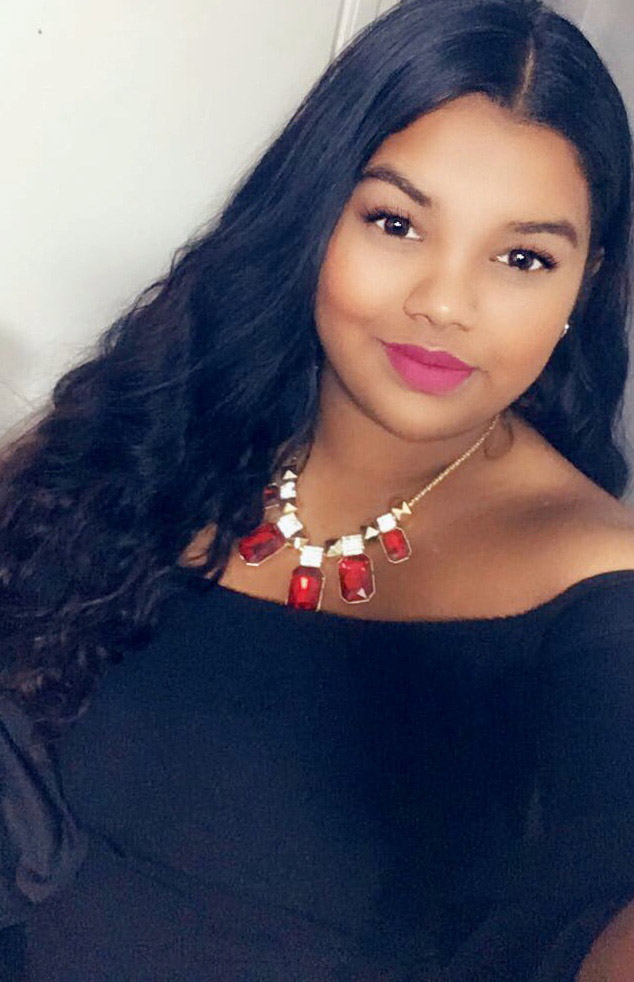
Tell us about your community involvement and your leadership roles outside of Ryerson. What groups are you involved with and what is your role?
Outside of Ryerson, I am a child life volunteer at the Hospital for Sick Children (SickKids).
Tell us why this work is important to you and the impact you are making for your chosen community:
Being in a hospital can be an anxiety-provoking encounter, especially for children. Similarly, the experiences we face in childhood have lifelong impacts which is why it is important to ensure that children and families have support when faced with tribulations. As such, providing respite, spending time with patients and getting to know them, as well as assisting in facilitating fun activities truly makes a difference to help children and families feel more at home, and improve quality of care. It is truly the moments that make a difference, whether it’s engaging in medical play to help a child feel more comfortable about a procedure, or spreading kindness.
How have your studies at FCS helped you in your community leadership roles?
My studies at FCS provided theoretical frameworks needed to understand and contextualize micro/meso/macro level issues within healthcare. Various courses such as Social Policy, Professional Health Communication, Theory and Practice of Family Support, as well as Indigenous Approaches to Social Work highlighted the importance of accessibility, inclusion, empowerment, person-centred and holistic approaches which are integral to my role. Through curricula and student life, I acquired skills and experiences that shape the way I serve the community in a dignified, compassionate manner.
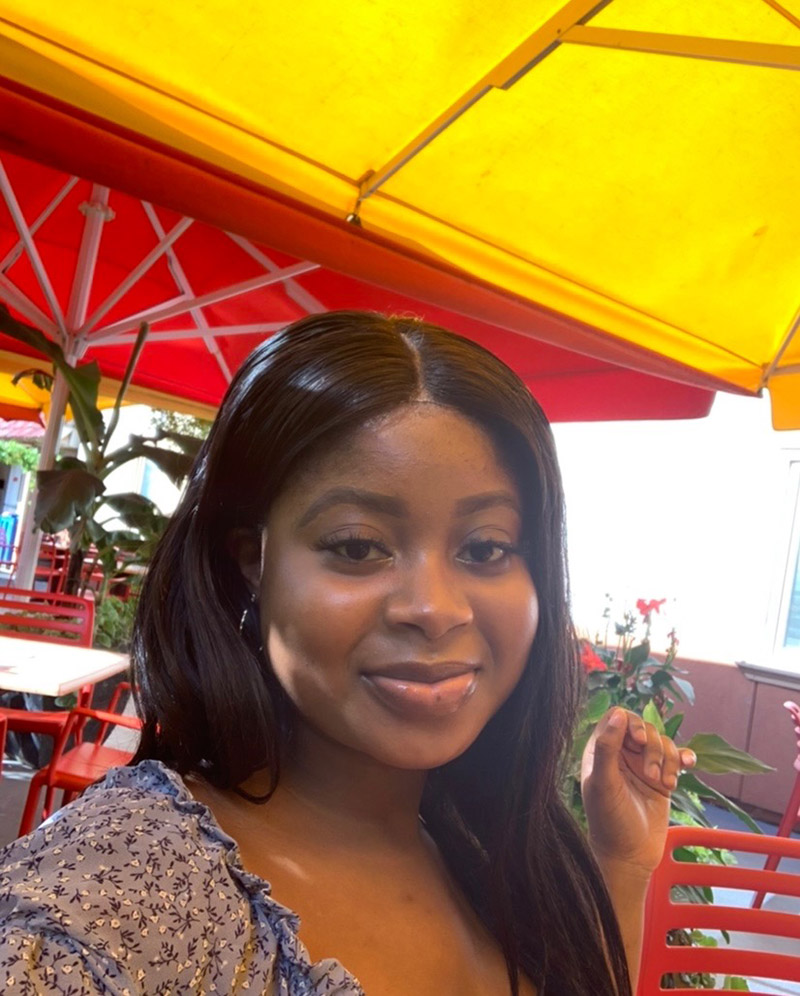
What makes you a student leader?
During my time at Ryerson, I have actively advocated for the Black community through the lens of the nursing profession. I am currently a co-founder of the Black Nursing Student Association (BNSA) at Ryerson which is a student group that creates workshops and mentorship programs for nursing students to help dismantle anti-Black racism in the nursing profession. I am also part of the Anti-Black Racism Student Advisory Group at Ryerson in which I help develop social justice and equity-based strategies to elevate the Black student experience on campus. In my first two years in nursing, I joined the Canadian Nursing Student Association (external link) (CNSA) Ryerson Chapter to kickstart the progression towards an inclusive healthcare system as it is vital for nurses to incorporate cultural competence in their care. As a leader of CNSA I aim to be inclusive and shed light on the stigma of visible minorities as nursing is such a diverse field both in scope and demographic.
Tell us about your community involvement and your leadership roles outside of Ryerson. What groups are you involved with and what is your role?
Outside of the Ryerson Community, I am a part of Lady Ballers Camp, external link (external link) as a board member and I am a co-founder of the 'Black Futures' Award at St. Augustine Secondary School. Lady Ballers Camp is a not-for-profit charitable organization that develops programs for young girls that encourages physical, emotional and educational development. As a board member, my aim is to help create programs and initiatives for the campers to foster confidence, body positivity and academic excellence through recreational and artistic activities. Similarly, the 'Black Futures' Award which I created at St. Augustine Secondary School is aimed to commemorate Black youth for their success and encourage them to strive for greatness and make their voice heard within their communities. When I created this scholarship, my goal was to recognize and encourage black youth to promote social justice and community involvement in school, make contributions to Black History and engage other students in world issues.
Looking 15 years into the future - tell us what you would like to see improved in the world, and how you would like to be part of that solution:
Fifteen years into the future, I would love to see feasible access to healthcare services for everyone and no racial disparities in healthcare for people of colour. My role in this would be to firstly, establish BNSA and its many upcoming workshops to create a graduating class of culturally aware and competent nurses. Next, I would like to actively continue to advocate for health care issues locally and globally through multiple platforms such as social media, fundraising and getting involved with different health organizations.
What is your advice to future community leaders and FCS students?
My advice to future community leaders and FCS students is to get involved in any way you can, even if you’re shy or feeling apprehensive about it! Building leadership skills help you gain confidence and gives you the opportunity to empower others and make a difference in the community around you. It’s never too late to get involved. When I first got involved with the Ryerson community, I was nervous about voicing my concerns and taking on big projects, but it has allowed me to do things like public health seminars and initiatives aimed at health equity which I enjoy doing and plan to continue doing during my time in nursing.
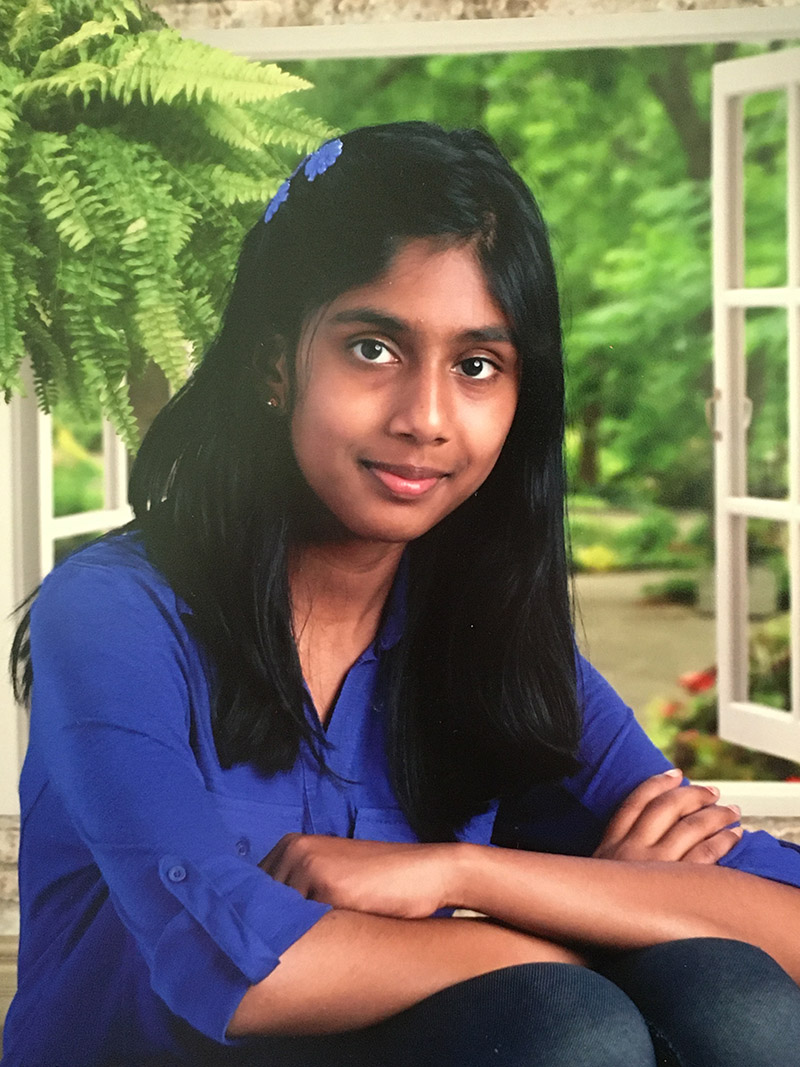
Tell us about your community involvement and your leadership roles outside of Ryerson. What groups are you involved with and what is your role?
I have been and am currently involved in various volunteer and work positions within the Markham Community. I’ve volunteered for the Markham Food Bank (external link) which inspired me to explore the area of food and nutrition from a perspective that goes beyond the biomedical model and looks at the social perspective of health. During the summer months of the pandemic, I instructed recreational programs at Aaniin Community Center (external link) (City of Markham), where I got a new exposure to the work environment I was already part of. Although it was challenging at first, the experience of helping children gain new skills comes with its own rewards:A feeling of victory and motivation to accomplish more in life!
Tell us why this work is important to you and the impact you are making for your chosen community:
The work I have done has allowed me to give back to my community and it has provided me with various transferable skills for my future as a health and nutrition professional. For example, my character has transformed from being a shy individual to someone with confidence. These characteristics have enhanced my communication capabilities and allow me to connect with fellow peers in the field to make a difference within my community.
What is your advice to future community leaders and FCS students?
One piece of advice I would like to give is to make use of most, if not all, the opportunities and tools given to you. Some of us take the resources (including time) provided to us for granted. Others may be too shy to come out of their comfort zone. Just know that if we feel uncomfortable, it is likely because we are trying something new and growing in the process. If we do not make use of resources at our disposal, it may not be there when we turn back to them in the future.
What makes you a student leader?
While being involved in extracurricular activities, employment, and enrolled in school, I am able to maintain a balance by managing my time well. I consistently show that although I have many things on my plate, it is possible to achieve your goals and simultaneously be an active member of my community. I am involved in settings that allow me to advocate for others or be an aide for those in need.
Tell us about your community involvement and your leadership roles outside of Ryerson. What groups are you involved with and what is your role?
With a previous love for my interest in dance that stemmed from a Ryerson student dance group (UHHU) (external link) , I have founded an organization called Groove Vitality (external link) . Our aim is to annually fundraise and donate to other organizations by hosting community dance workshops. In our most recent event, we raised just above $1,900 for cancer research at the Princess Margaret Cancer Foundation (external link) . I was also recently hired as a volunteer event coordinator for a new organization called Unleash Medicine (external link) . As an event coordinator, I am required to create events with the intent to fundraise money to provide books and other equipment needed for low-income individuals who wish to pursue medicine as a career. Lastly, I am employed as a screener at Women's College Hospital (external link) in order to provide safety for incoming patients and staff. I take pride in this work as I am able to promote the health and safety of others in my community during a pandemic while being present in a highly motivating environment.

How have your studies at FCS helped you in your community leadership roles?
My studies in FCS allowed me to recognize that there are individuals who cannot access health resources as easily, compared to others. This could be due to employment, income, health status, and many more. Acknowledging that society is currently inequitable in certain ways, has helped me develop maturity and understanding to become an aide for these individuals. Nursing students are also taught about empathy, and how it is important in terms of care. I truly believe my program has made me more empathetic in most aspects of life even outside of delivering nursing care. The way this program shaped me to become a more empathetic person gives me more reason and purpose to be the best and most advocative leader I can be in my given leadership roles.
What is your advice to future community leaders and FCS students?
Providing service to your community while pursuing a degree is the most rewarding feeling, in my opinion. My advice to becoming a leader within FCS is to find your niche. Find what you love, and find if there are things you want to "fix" or "maintain" within your given niche. After that, be an advocate and be supportive in any way you can to improve the existing problem.