Research on Brazil’s National Program to Prevent Obstetric Violence & Knowledge Translation
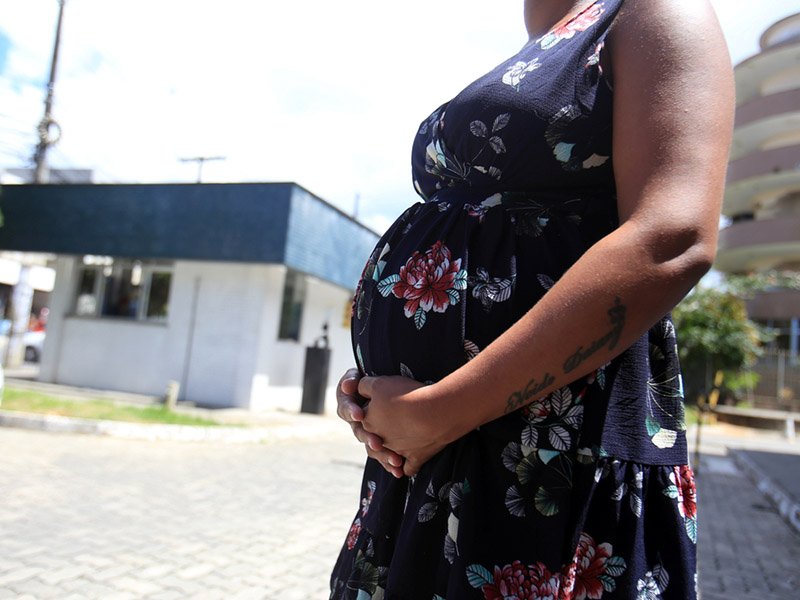
Margareth Zanchetta, DCSN and her team of researchers from Ryerson University are presenting an exciting knowledge translation video and seminar following their study of a national program in Brazil to prevent Obstetric Violence. The study was sponsored by Mitacs and partnered with 8 Universities in Brazil. They looked at the implementation of Brazil’s national program to prevent and eliminate obstetric violence, an area where Brazil is a policy leader. The 8 Universities in partnerships in Brazil are the Federal Universities of Rondônia, Amazonas, Paraíba, Rio de Janeiro, Juiz de Fora, Minas Gerais, Fluminense Federal University and the University of Brasília.
The event will take place on November 19th at 5 pm. Register now through Eventbrite (external link) . It will be streamed and available on Youtube afterwards.
Margareth Zanchetta will moderate the discussion and is including some professors and students who participated or have expertise related to the project. Hilary Hwu, who is a student researcher, also from DCSN and went to Brazil as part of the study, will present the knowledge translation video. Dakota Carrie (also a team’s student researcher), Karline Wilson-Mitchell, MEP, and Oona St-Amant, DCSN, will speak about preventing Obstetric Violence and promoting Education that includes gender-sensitive approaches to health care. Hannah Argumedo-Stenner (a Social Work team’s student researcher) will speak to Advocacy & Protection of Women’s Civil & Human Rights.
“The study was conducted in Brazil to learn about the implementation of a national program. We should also be asking: ‘what do we know about similar issues in Canada?’ Obstetric violence is a global issue related to women's human rights and respectful obstetric care. It has a relevant impact on the types of medical complications for newborns,” said Zanchetta. “Childbirth is both a family and a natural event. Everyone should tune in to this event to learn about issues presented in the video.” “Absolutely,” said Argumedo-Stenner, “people who are interested or working in healthcare, reproductive rights, or women's rights will all have something to learn from this presentation and discussion.” “Every single human on this planet is at some point directly involved in childbirth,” added Carrie. “As we have all been carried by our own mothers and come into the world. Birth is one of the few universal experiences and we owe it to ourselves, to our parents and to our children to protect this process from inequity, negligence and violence.” “Exactly.” said Hwu “common misunderstandings that exist around obstetric violence are: that obstetric violence is only physical violence, when rather it can manifest in a variety of forms, such as psychological, verbal, etc. It includes the idea that healthcare providers always have the best interests of the mother in mind; and that obstetric violence does not occur in developed countries, when in reality, it is present around the world.”
“The silence about this topic makes it unrecognizable. Pain and suffering have been historically linked to the concept of childbirth,” said Zanchetta. “But no one could believe and/or acknowledge that any form of violence can be performed toward a woman in the altruist act of bringing life.” Panellists all spoke about the reality that this is much more common than most people realize. “It is a huge misconception that Obstetric Violence is rare, doesn't exist, or only exists within certain spaces. While in reality, it encompasses physical, emotional, spiritual, and financial acts of violence.” Advocacy is key to change and there are many ways that individuals can advocate for their patients, friends, themselves and others. “Individuals can advocate for their patients by avoiding any language that victim-blames, listening to and taking patients' concerns seriously, and calling out violence when it occurs,” said Hwu. “There should be a system of reporting and appropriately dealing with instances of violence that ensures that obstetric violence is avoided.” Agrumedo-Stenner added: “people can advocate for their patients by ensuring they are well informed about their rights, the procedures happening to them and ensure collective decision making happens at every step of the way.” “Health care practitioners can advocate for their clients by ensuring dynamic health teaching and robust informed consent has taken place, and by including client wishes in their plan of care,” said Carrie.
“Yes, this is an opportunity for people to become educated about the multiple outdated technical procedures that are acts of Obstetric Violence both forward the monster and the newborn,” said Zanchetta. “Any person concerned with issues of women's rights, children's rights, human rights, institutional racism and discrimination and equity in health must be interested in this.”