Global traumatic stress levels rising, experts say U.S. policies partly to blame
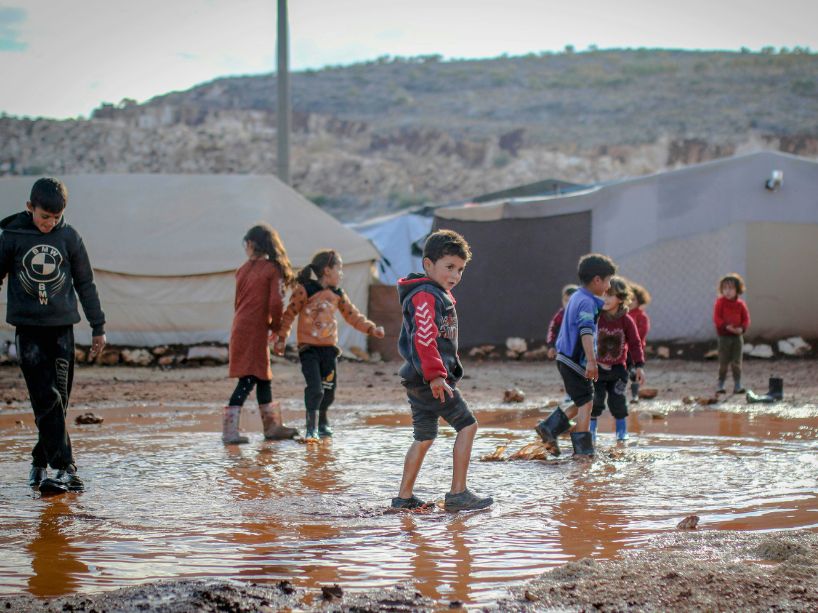
International researchers warn that dramatic shifts in American policy are leading to increased traumatic stress globally and are also adversely affecting research and access to traumatic stress health-care support. (Photo: Ahmed akacha via Pexels)
Feeling distressed by world news, challenges and events lately? If you said yes, you’re not alone.
A new research publication by traumatic stress experts – including TMU psychology professor Candice Monson – draws concerns over the global impact of decisions made by the new U.S. administration in exacerbating and compounding traumatic stress globally and hindering research efforts addressing traumatic stress.
Monson, along with a group of more than 40 international experts in traumatic stress, is raising alarms about the potential global fallout of recent U.S. government decisions.
In a new article (external link) published on May 8 in the European Journal of Psychotraumatology, the researchers warn that major policy changes of the U.S. government which have sharply parted ways with long-standing geopolitical norms could have serious impacts.
Monson, who leads TMU’s IMPACT Lab (Investigating Methods to Prevent, Assess and Care for Trauma), joined colleagues from around the globe to spotlight how political decisions can ripple across borders, affecting both individual wellbeing and broader humanitarian efforts.
Worldwide trauma
The researchers and clinicians warn that the current U.S. administration’s policy decisions are increasing exposure to and consequences of trauma worldwide, both at the level of the individual and en masse. They caution that these policies will also increase both morbidity and mortality rates.
The research cites public health policies that influence the prevalence rates of violence or can mitigate the impacts of climate change such as climate disasters, drought and migration, all which have major physical and mental health effects.
The research also cites the administration’s decision to terminate the U.S. Agency for International Development (USAID), one of the world's largest aid agencies, which they say will have a catastrophic impact on the physical and mental health of underserved populations around the world.
Marginalized groups especially impacted
Policies targeting specific groups because of their gender identity, sexual orientation, race, religion or ethnicity can also suffer physical and mental health consequences as a result of increased risks to trauma exposure.
The researchers say these political policies are also disrupting traumatic stress study and research. This includes policies that directly impact rates of trauma exposure and policies that influence the clinical and research workforce needed to address these effects.
For example, decisions about the allocation of government resources to public health can jeopardize access to those dealing with trauma.
“We warn that the current U.S. administration’s decisions might increase morbidity and mortality and have a major global impact on levels of traumatic stress-related mental and physical health. The fallout for science and humanity may be profound.”
The research underscores trauma as a global issue and public health concern, explaining that it decreases physical and mental health, social and occupational functioning, as well as quality of life and impacts healthcare access.
“Researchers and clinicians who work in the field of trauma are raising the alarm in response to the current direction of U.S. policy decision-making and the increasing impact and exposure to trauma on a global scale,” said Monson, a foremost expert on traumatic stress and treatment of posttraumatic stress disorder (PTSD).
“We need to reverse course on a worrying trend and make mental and physical health a priority in America and around the world," she continued.
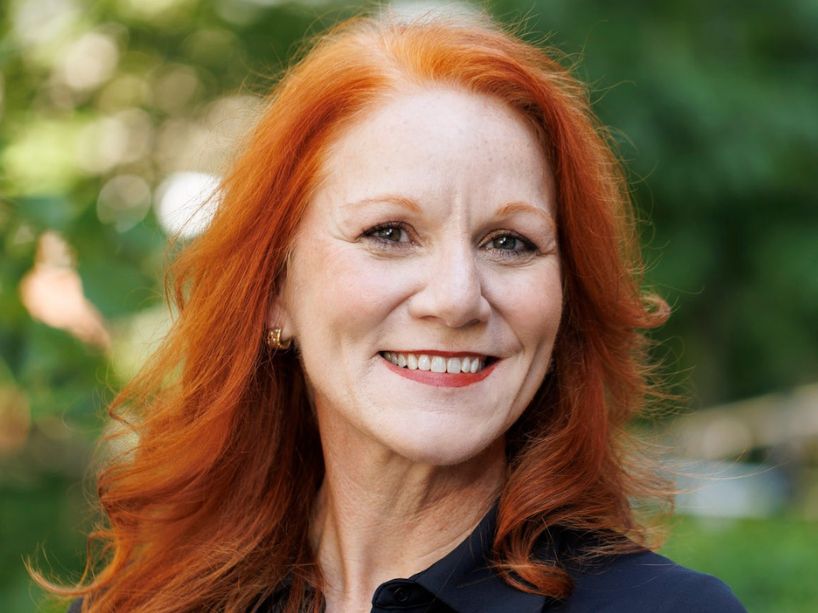
TMU psychology professor Candice M. Monson is one of over 40 international researchers and experts in traumatic stress who co-authored a recent journal article raising the alarm around the mental health impacts of recent political policies issued by the American administration.
The research calls for an immediate intervention by re-engaging the U.S. administration in allocating resources towards traumatic stress research and global efforts to mitigate trauma and its effects during times of crisis.
Monson has previously been funded by the U.S. Department of Veterans’ Affairs, National Institute of Mental Health, Centers for Disease Control and Prevention, Department of Defense, and Canadian Institutes of Health for her research on interpersonal factors in traumatization and individual- and conjoint-based interventions for PTSD.
Related
- How to protect your mental health in difficult times
- 6 non-negotiables to live a happy life
- Boost your brain with exercise